
Effective Remedies for Menstrual Cramps: Your Comprehensive Guide to Relief
Facts:
- Over 80% of women experience period pain during their lifetime.
- A major trend for cramp relief is integrating magnesium-rich foods.
Understanding the Root Causes of Menstrual Discomfort
Menstrual cramps, medically known as dysmenorrhea, are a common part of the menstrual cycle for many individuals. They are caused by uterine contractions triggered by prostaglandins, hormone-like substances involved in pain and inflammation. While a normal part of the process, severe pain can be debilitating. Finding effective remedies for menstrual cramps is crucial for maintaining daily activities and overall quality of life. Understanding that these pains are a physiological response is the first step toward managing them, allowing you to explore various remedies for menstrual cramps that address the underlying mechanisms of the discomfort.
Natural and At-Home Remedies for Menstrual Cramps
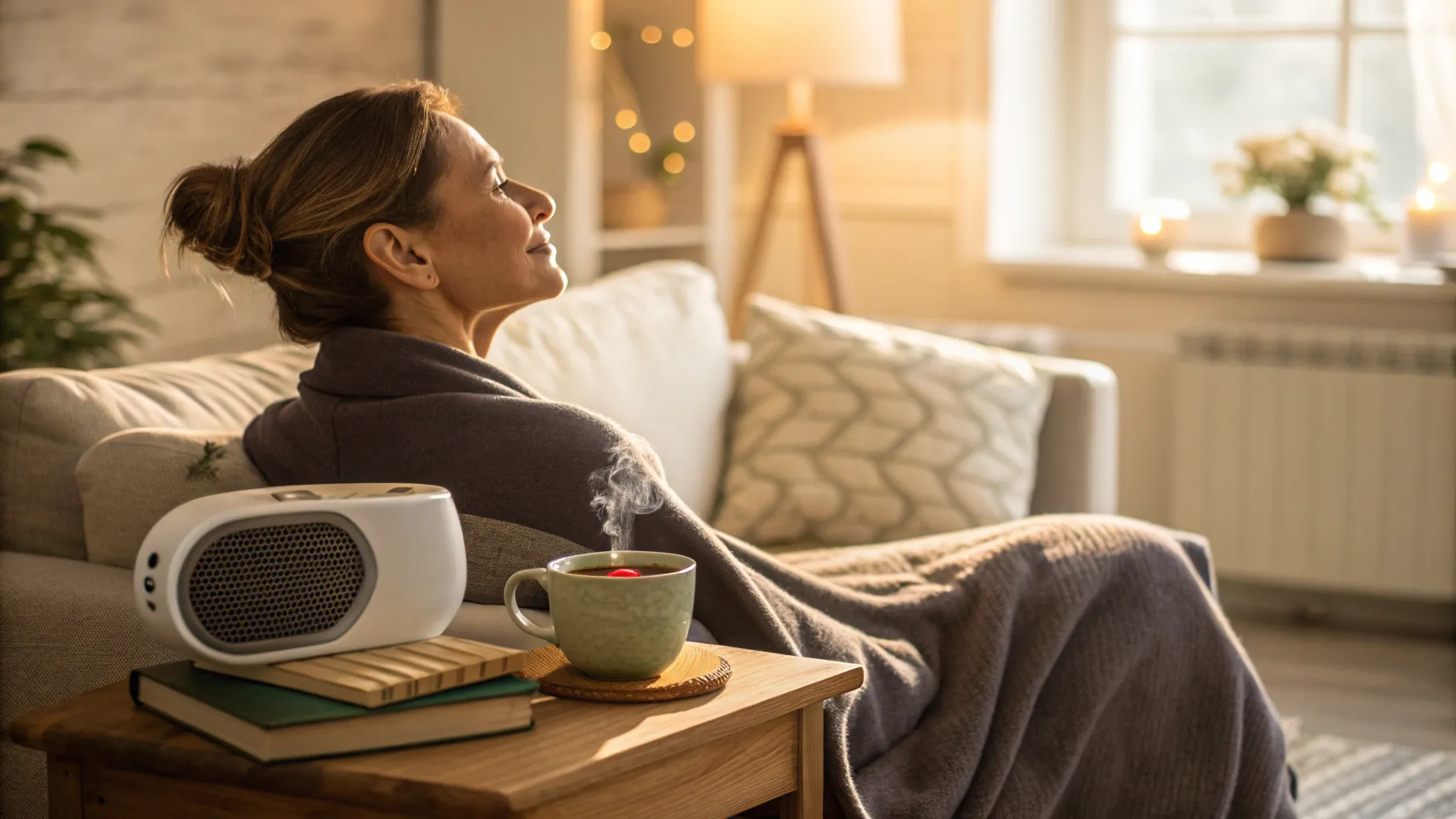
For those who prefer a natural approach, there is a wide array of effective home-based remedies for menstrual cramps. These methods often focus on relaxation, reducing inflammation, and easing muscle tension without the need for medication. They are accessible, affordable, and can be integrated into your routine to provide consistent relief throughout your cycle. Many of these techniques have been used for generations and are now supported by scientific evidence confirming their efficacy.
Heat Therapy for Immediate Relief
Applying heat to the lower abdomen is one of the most popular and effective remedies for menstrual cramps. Heat helps to relax the contracting muscles of the uterus, which is the primary source of the pain. You can use a hot water bottle, a heating pad, or take a warm bath. The warmth increases blood flow to the area, which can help to flush out pain-causing substances and ease the tension in your pelvic region. This method provides almost immediate comfort and can be used as often as needed.
Herbal Teas and Their Soothing Properties
Certain herbal teas have anti-inflammatory and antispasmodic properties that make them excellent remedies for menstrual cramps. Chamomile tea, for example, is known to help relax the uterus and reduce the production of prostaglandins. Ginger tea can also be beneficial due to its potent anti-inflammatory effects, which can significantly reduce pain. Peppermint tea is another great option, as it can help soothe uterine muscles. Sipping on these warm beverages throughout the day can provide a calming effect and tangible pain relief.
Dietary Adjustments to Fight Cramps
What you eat can have a significant impact on menstrual pain. Incorporating foods rich in magnesium, such as dark chocolate, avocados, and nuts, can help regulate nerve and muscle function, thereby easing cramps. It's also wise to reduce your intake of inflammatory foods like caffeine, salty snacks, and processed items in the days leading up to your period. Focusing on a balanced diet with plenty of fruits, vegetables, and whole grains is a proactive strategy among the many remedies for menstrual cramps.
Gentle Exercise and Movement
While intense exercise might be the last thing you feel like doing, gentle movement can be one of the most powerful remedies for menstrual cramps. Activities like walking, yoga, or light stretching release endorphins, which are the body's natural painkillers. Yoga, in particular, includes poses that are specifically designed to release tension in the lower back and pelvic area. Even a short 15-minute walk can boost circulation and reduce the severity of cramps, making it a simple yet effective tool for managing period pain.
Over-the-Counter and Medical Options
When natural remedies for menstrual cramps are not enough, over-the-counter (OTC) medications can provide reliable relief. Nonsteroidal anti-inflammatory drugs (NSAIDs) such as ibuprofen and naproxen are typically the most effective. They work by blocking the production of prostaglandins, thereby reducing both cramping and inflammation. For the best results, it's often recommended to take these medications at the first sign of your period or cramps, rather than waiting for the pain to become severe. If OTC options do not provide adequate relief, it may be time to consult a doctor who can explore other medical interventions or prescription-strength solutions.
Actionable Advice for Lasting Comfort
Creating a proactive plan can make a significant difference in managing your symptoms each month. Consistency is key when it comes to finding the best remedies for menstrual cramps that work for your body. Here are some steps you can take:
- Track Your Cycle: Use an app or a calendar to track your menstrual cycle. This allows you to anticipate when cramps might start, so you can begin implementing your chosen remedies preemptively.
- Prepare a Relief Kit: Keep a 'period relief kit' handy with your preferred items, such as a heating pad, herbal teas, OTC medication, and healthy snacks. This ensures you are prepared when pain strikes.
- Focus on Hydration: Dehydration can make cramps worse. Make sure to drink plenty of water throughout the day, especially around your period. Adding lemon or cucumber can make it more palatable.
- Prioritize Sleep: Lack of sleep can lower your pain threshold. Aim for 7-9 hours of quality sleep per night to help your body better cope with menstrual discomfort.
Frequently Asked Questions
What are the fastest working remedies for menstrual cramps?
The fastest-acting remedies for menstrual cramps are typically heat application via a heating pad and taking an over-the-counter NSAID like ibuprofen. Both can start providing relief within 15 to 30 minutes. Heat therapy works by relaxing the uterine muscles, while NSAIDs block the production of pain-causing prostaglandins.
Can diet really be one of the effective remedies for menstrual cramps?
Yes, diet plays a crucial role. An anti-inflammatory diet rich in omega-3 fatty acids, calcium, and magnesium can significantly reduce the severity of cramps. Reducing salt, sugar, caffeine, and alcohol intake can also prevent bloating and inflammation, making it a powerful, long-term strategy among remedies for menstrual cramps.
When should I see a doctor for my period pain?
You should consult a healthcare professional if your cramps are severe, consistently disrupt your daily life, are not relieved by OTC medication, or are accompanied by other symptoms like heavy bleeding or pain during intercourse. These could be signs of an underlying condition like endometriosis or fibroids that requires medical diagnosis and treatment.
References
- The American College of Obstetricians and Gynecologists (ACOG) - Guidelines on Dysmenorrhea.
- Journal of Women's Health - Studies on Non-Pharmacological Pain Relief for Primary Dysmenorrhea.
- National Institutes of Health (NIH) - Research on Herbal and Dietary Supplements for Menstrual Pain.