
Effective Remedies for Skin Inflammation: A Comprehensive Guide
Facts:
- Skin inflammation affects over 31 million Americans annually.
- A rising trend for managing flare-ups involves microbiome-friendly skincare.
Understanding the Root Causes of Skin Inflammation
Skin inflammation is the body's natural response to injury or irritants, manifesting as redness, swelling, heat, and discomfort. It's a sign that your immune system is working to protect you. However, when this response becomes chronic, it can lead to conditions like eczema, psoriasis, or rosacea. Finding effective remedies for skin inflammation is crucial for managing symptoms and restoring the skin's barrier. The approach often depends on the underlying cause, which can range from allergic reactions and infections to autoimmune conditions and environmental triggers. This guide explores a wide array of remedies for skin inflammation, helping you find a path to calmer, healthier skin.
Natural and Home-Based Remedies for Skin Inflammation
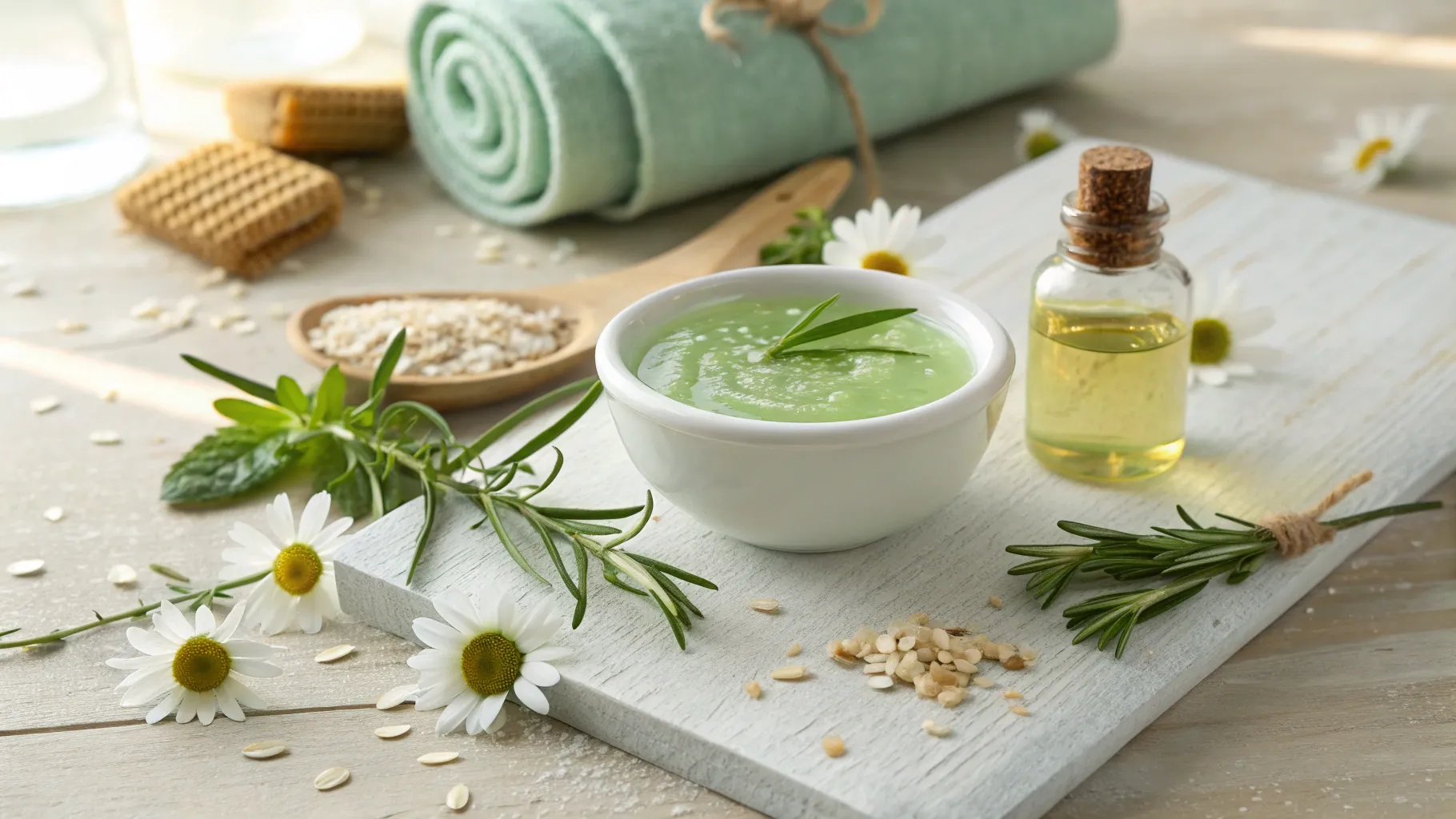
For those seeking gentle yet effective solutions, nature offers a wealth of options. Many natural ingredients possess powerful anti-inflammatory properties that can soothe irritated skin without harsh chemicals. These at-home remedies for skin inflammation are often a first line of defense for mild to moderate flare-ups. For instance, a cool compress can provide immediate relief from itching and heat by constricting blood vessels. Another popular choice is an oatmeal bath; colloidal oatmeal contains avenanthramides, compounds that have been shown to reduce inflammation and itching. Applying pure aloe vera gel directly to the affected area can also be incredibly soothing, as it provides hydration and contains compounds that help reduce redness and swelling. These natural remedies for skin inflammation are generally safe but it's always wise to perform a patch test first.
Over-the-Counter Solutions for Powerful Relief
When home remedies aren't enough, the pharmacy offers accessible and effective over-the-counter (OTC) options. These products are specifically formulated to target the mechanisms of inflammation. Low-strength hydrocortisone cream is one of the most common OTC remedies for skin inflammation, working by reducing the immune response in the treated area. It's effective for temporary relief of itching and redness associated with eczema or insect bites. Oral antihistamines can also be helpful, especially if the inflammation is caused by an allergic reaction, as they block the histamine response that causes itching and swelling. Additionally, look for moisturizers and lotions containing ingredients like ceramides, niacinamide, or licorice root extract, which help to repair the skin barrier and calm irritation, making them excellent supportive remedies for skin inflammation.
Dietary Changes That Can Impact Skin Health
What you eat plays a significant role in managing systemic inflammation, which directly affects your skin. Adopting an anti-inflammatory diet can be one of the most powerful long-term remedies for skin inflammation. This involves incorporating foods rich in antioxidants and omega-3 fatty acids. Fatty fish like salmon and mackerel, nuts like walnuts, and seeds like flax and chia are excellent sources of omega-3s. Brightly colored fruits and vegetables, such as berries, spinach, and broccoli, are packed with antioxidants that fight cellular damage. Conversely, it's beneficial to limit or avoid pro-inflammatory foods like processed sugars, refined carbohydrates, and trans fats. Integrating these dietary remedies for skin inflammation into your daily routine can help reduce the frequency and severity of flare-ups from the inside out.
Actionable Lifestyle Adjustments for Long-Term Management
Beyond specific treatments, certain lifestyle adjustments can provide profound and lasting relief. Managing stress is critical, as high cortisol levels are known to trigger inflammatory responses in the skin. Practices like meditation, yoga, or even regular walks in nature can make a significant difference. It is also important to choose your skincare products wisely. Opt for fragrance-free, hypoallergenic cleansers and moisturizers to avoid potential irritants. Protecting your skin from environmental triggers like harsh sun exposure and extreme temperatures is also a key preventative strategy. Here are some actionable steps to take:
- Stress Management: Incorporate daily relaxation techniques such as deep breathing exercises or mindfulness to lower cortisol levels, a key trigger for skin issues.
- Gentle Skincare Routine: Use lukewarm water for cleansing and pat the skin dry gently. Avoid harsh scrubs and products containing alcohol or fragrances.
- Identify Triggers: Keep a journal to track your diet, stress levels, and product use to identify what causes your skin to flare up. Avoiding these triggers is one of the most effective personalized remedies for skin inflammation.
- Choose Breathable Fabrics: Wear soft, natural fabrics like cotton to minimize skin irritation caused by friction and trapped sweat.
When to Consult a Dermatologist
While many remedies for skin inflammation can be managed at home, it's crucial to know when to seek professional medical advice. If your symptoms are severe, persistent, spreading, or accompanied by other signs like fever, you should consult a dermatologist. A specialist can accurately diagnose the underlying condition, whether it's chronic eczema, psoriasis, or a skin infection. They have access to more potent treatments, including prescription-strength topical steroids, immunomodulators, oral medications, or biologic therapies. A dermatologist can provide a tailored treatment plan that combines medical intervention with the appropriate home care, ensuring the most effective and safe approach to managing your condition. Do not hesitate to seek help if OTC remedies for skin inflammation are not providing adequate relief.
Frequently Asked Questions
What are the fastest-acting remedies for skin inflammation?
For immediate but temporary relief, a cool compress applied to the affected area can quickly reduce heat and itching. Over-the-counter 1% hydrocortisone cream is also a fast-acting option for reducing redness and swelling from minor irritations.
Can diet alone be one of the remedies for skin inflammation?
While an anti-inflammatory diet can significantly improve skin health and reduce the frequency of flare-ups, it is often most effective as part of a comprehensive approach. Combining dietary changes with proper skincare and other treatments typically yields the best results for managing chronic skin inflammation.
Are natural remedies for skin inflammation always safe?
Not always. While many natural ingredients are gentle, some people can have allergic reactions to them. It is essential to perform a patch test on a small area of skin before applying any new natural remedy widely, especially if you have sensitive skin.
References
- Journal of Clinical Dermatology and Therapeutics
- National Eczema Association Clinical Guidelines
- American Academy of Dermatology (AAD) Reports
- International Journal of Molecular Sciences: Anti-Inflammatory and Skin Barrier Repair Effects of Topical Application