
Effective Teeth Gap Solutions: Exploring Cosmetic Dentistry Options
Facts:
- Teeth gaps affect millions, impacting aesthetics and oral health.
- Demand for cosmetic dentistry options for gaps is steadily rising.
Navigating the World of Teeth Gap Solutions for a Flawless Smile
For many, the presence of gaps between teeth can be a source of self-consciousness, impacting both smile aesthetics and overall oral health. Thankfully, advances in modern dentistry offer a comprehensive range of teeth gap solutions designed to effectively address these spaces. Whether caused by genetics, habits, or other factors, understanding the available options is the first step towards achieving a confident, gap-free smile. This guide delves into the various approaches for closing teeth gaps methods, from subtle cosmetic enhancements to robust orthodontic interventions, ensuring you can make an informed decision about your dental future.
Understanding the Causes of Gaps Between Teeth
Before exploring specific teeth gap solutions, it's crucial to understand the underlying causes of gaps between teeth. These spaces, medically known as diastema, can stem from various factors, both genetic and environmental. One common cause is a discrepancy between jaw size and tooth size; if the jaw is large and the teeth are small, gaps are likely to form. Another significant factor is an oversized labial frenum, the tissue that extends from the inside of the upper lip to the gum above the two front teeth. If this frenum is particularly large, it can prevent the front teeth from coming together, creating a noticeable gap. Habits such as thumb sucking in childhood, tongue thrusting (where the tongue presses against the front teeth when swallowing), or even gum disease that leads to bone loss and tooth migration can also contribute to the development or widening of gaps. Identifying the specific cause is often the first step a dental professional takes to determine the most effective dental treatments for spaced teeth, tailoring the intervention to the individual's unique needs.
Exploring Cosmetic Dentistry Options for Gaps
When it comes to addressing minor to moderate spaces, cosmetic dentistry options for gaps offer aesthetically pleasing and often quicker results. These treatments primarily focus on enhancing the appearance of your smile, making them a popular choice for many seeking immediate improvements. These solutions are less invasive than full orthodontic treatments and can often be completed in fewer appointments, making them appealing for those with busy lifestyles.
Dental Bonding and Veneers: Aesthetic Solutions
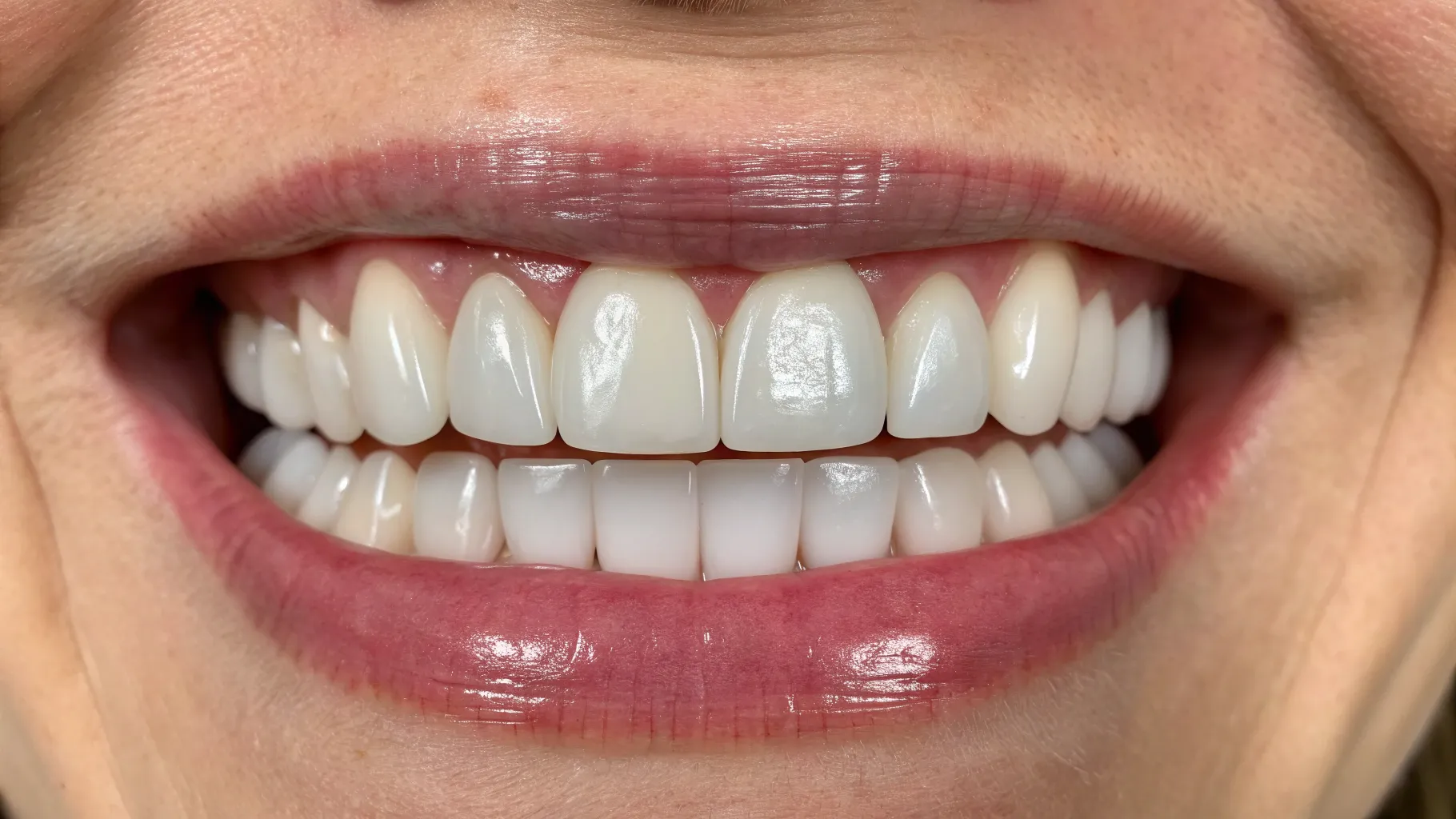
Dental bonding is a minimally invasive procedure where a tooth-colored resin material is applied to the tooth surface, sculpted to fill the gap, and then hardened with a special light. This process effectively broadens the appearance of the tooth, thereby closing the space. It’s an excellent option for smaller gaps and can often be completed in a single visit. For more significant aesthetic changes or larger gaps, veneers are a popular choice. These are custom-made, thin shells of porcelain or composite resin that are bonded to the front surface of the teeth. Veneers can not only close gaps but also correct minor misalignments, discoloration, and chips, providing a complete smile makeover. Both bonding and veneers are highly effective closing teeth gaps methods that provide natural-looking results, significantly enhancing the overall symmetry and appeal of your smile.
Crowns and Bridges: Restorative and Gap-Closing Options
While often associated with restorative dentistry for damaged teeth, crowns and bridges can also serve as effective teeth gap solutions, especially in cases where gaps are accompanied by other dental issues or missing teeth. A dental crown is a cap that completely covers a damaged or misshapen tooth, which can be custom-designed to be slightly wider to help close an adjacent gap. Dental bridges, on the other hand, are used to replace one or more missing teeth, effectively filling the space and preventing surrounding teeth from shifting. By anchoring to existing teeth or implants, a bridge can eliminate a significant gap created by a missing tooth while also restoring chewing function and preventing further dental complications. These options are more extensive than bonding or veneers but offer robust and long-lasting solutions, often recommended as comprehensive dental treatments for spaced teeth where both gaps and structural integrity are concerns.
Comprehensive Orthodontic Solutions for Gaps
For more complex cases, particularly those involving significant gaps or underlying bite issues, orthodontic solutions for gaps are often the most effective and permanent approach. These treatments involve gradually moving the teeth into their correct positions, addressing the root cause of the spacing and ensuring long-term stability. Orthodontics not only closes visible gaps but also corrects potential bite problems that might contribute to gap recurrence or other oral health issues.
Traditional Braces: Proven Gap Closure
Traditional braces remain one of the most reliable and widely used closing teeth gaps methods. Comprising metal brackets bonded to the teeth and connected by a wire, braces exert continuous, gentle pressure to slowly guide teeth into their desired positions. This method is highly effective for closing even large or multiple gaps and correcting various alignment issues. Modern traditional braces are more streamlined and less noticeable than their predecessors, offering efficient treatment for a wide range of orthodontic concerns. The controlled movement provided by braces ensures precise closure of gaps and proper alignment, leading to a stable and aesthetically pleasing result that lasts for many years.
Clear Aligners: Discreetly Closing Spaces
For individuals seeking a less conspicuous option, clear aligners (such as Invisalign) have revolutionized orthodontic solutions for gaps. These custom-made, transparent plastic trays fit snugly over the teeth and are changed periodically to gradually shift teeth into alignment. Clear aligners are virtually invisible, removable for eating and cleaning, and generally more comfortable than traditional braces. They are an excellent choice for closing mild to moderate gaps and offer a discreet alternative for adults and teenagers who prefer not to have visible metalwork. The effectiveness of clear aligners as a dental treatment for spaced teeth has made them increasingly popular, providing both aesthetic benefits during treatment and impressive final results.
Choosing the Right Dental Treatments for Spaced Teeth: A Comparative Look
Deciding on the most appropriate dental treatments for spaced teeth involves a careful consideration of various factors, including the size and cause of the gaps, your budget, lifestyle, and aesthetic goals. For smaller, purely cosmetic gaps, options like dental bonding and veneers offer quick and effective visual improvements, making them popular cosmetic dentistry options for gaps due to their immediate impact and less invasive nature. Bonding is often the most cost-effective and least time-consuming, while veneers provide a more dramatic and durable transformation. However, if the gaps are larger, caused by significant jaw-to-tooth size discrepancies, or involve bite alignment issues, orthodontic solutions for gaps, such as traditional braces or clear aligners, are generally recommended for their ability to correct underlying structural problems. While orthodontics requires a longer treatment period, it often provides the most comprehensive and stable long-term solution by physically repositioning the teeth. Furthermore, the longevity of the results from orthodontic treatment can often outweigh the initial time commitment. Consulting with a dental professional is crucial to assess your specific situation and recommend the optimal strategy for closing teeth gaps methods, ensuring the chosen treatment aligns with both your health needs and aesthetic desires.
Practical Advice for Closing Teeth Gaps Methods and Maintaining Results
Successfully addressing gaps between your teeth is a significant step towards a healthier, more confident smile. Beyond the initial treatment, understanding how to maintain your results is paramount for long-term success. Here are some actionable pieces of advice for navigating teeth gap solutions and preserving your newly aligned smile.
Maintain Excellent Oral Hygiene Routines
Regardless of the dental treatments for spaced teeth you undergo, meticulous oral hygiene is crucial. Brushing twice a day, flossing daily, and using an antibacterial mouthwash are essential. This prevents plaque buildup, gum disease (which can cause teeth to shift), and decay, all of which could compromise your treatment results. Proper cleaning is especially important if you have bonding, veneers, crowns, or bridges, as these areas require careful attention to prevent secondary issues.
Wear Your Retainer as Prescribed
If you've undergone orthodontic solutions for gaps, wearing your retainer is non-negotiable. Teeth have a natural tendency to shift back to their original positions (orthodontic relapse) once braces or aligners are removed. Retainers, whether removable or fixed, are designed to hold your teeth in their new, corrected positions. Consistent retainer wear is the most critical factor in ensuring the long-term stability of your closing teeth gaps methods and preventing gaps from reopening.
Regular Dental Check-ups and Cleanings
Scheduling routine dental check-ups and professional cleanings every six months is vital. Your dentist can monitor the health of your teeth and gums, check the integrity of any restorations (like bonding, veneers, or crowns), and identify any potential issues early. These visits allow for timely intervention if any problems arise, ensuring the longevity of your teeth gap solutions.
Address Habits That Cause Gaps
If your gaps were partly caused by habits such as tongue thrusting, thumb sucking (for younger patients), or nail-biting, it’s important to address these behaviors. Your dentist or an oral myofunctional therapist can provide guidance and exercises to help modify these habits, preventing the recurrence of gaps and supporting the stability of your treatment. Understanding the causes of gaps between teeth is key to preventing their return.
Protect Your Dental Work from Damage
If you have bonding, veneers, or crowns, be mindful of what you eat. Avoid biting into very hard foods (like ice, hard candies, or unpopped popcorn kernels) that could chip or damage your dental work. If you grind your teeth at night, consider wearing a nightguard to protect your teeth and any restorations from excessive force, thereby preserving the integrity of your cosmetic dentistry options for gaps.
Frequently Asked Questions
What are the most common causes of gaps between teeth?
The most common causes of gaps between teeth include genetics (larger jaw bone relative to tooth size), an oversized labial frenum (the tissue connecting the upper lip to the gums), and habits such as thumb sucking or tongue thrusting. Gum disease can also lead to gaps by causing bone loss and tooth migration.
Are orthodontic solutions for gaps permanent?
Orthodontic solutions for gaps, such as braces or clear aligners, can provide permanent results when followed by consistent retainer wear. Retainers are crucial for maintaining the teeth's new positions and preventing them from shifting back over time.
How long do cosmetic dentistry options for gaps, like veneers, last?
The lifespan of cosmetic dentistry options for gaps varies. Dental bonding typically lasts 5-10 years, while porcelain veneers can last 10-15 years or even longer with proper care and maintenance. Regular dental check-ups are essential to monitor their condition.
Is it painful to get dental treatments for spaced teeth?
Most dental treatments for spaced teeth are not significantly painful. Procedures like bonding and veneers typically involve minimal discomfort and local anesthesia if needed. Orthodontic treatments can cause some temporary soreness or pressure after adjustments, which is manageable with over-the-counter pain relievers.
Can closing teeth gaps methods improve my overall oral health?
Yes, closing teeth gaps methods can significantly improve overall oral health. Gaps can trap food particles, making cleaning difficult and increasing the risk of cavities and gum disease. By closing these spaces, you make your teeth easier to clean, reduce the risk of oral health issues, and improve your bite function.
References
- American Dental Association: Oral Health Topics
- American Association of Orthodontists: Common Problems
- Journal of Clinical Orthodontics: Diastema Closure Techniques
- Cosmetic Dentistry Today: Advances in Aesthetic Treatments
- Dental Economics: Practice Management and Patient Care