
Effective Treatments for Dark Spots and Pigmentation
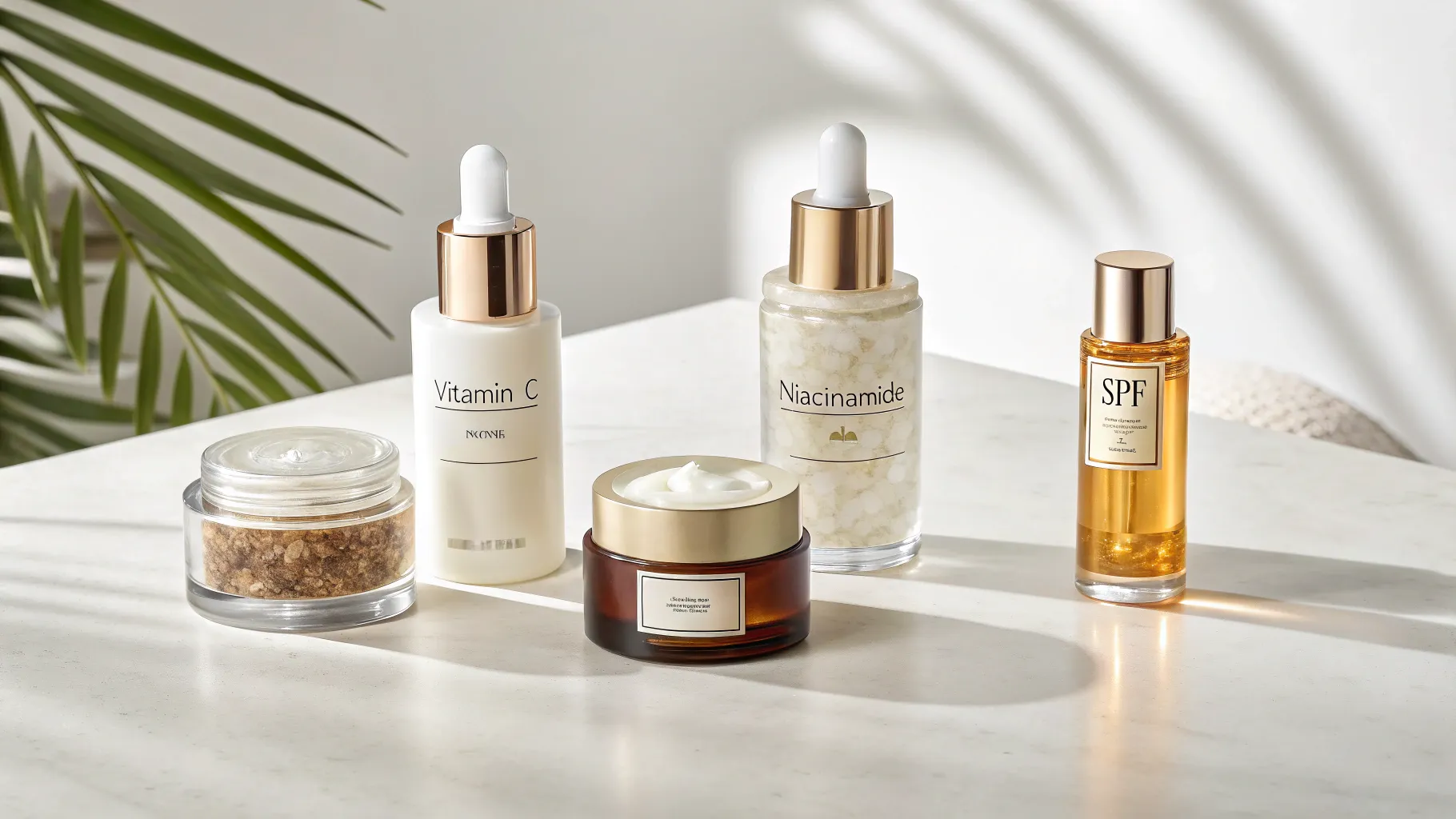
Dark spots and pigmentation, clinically known as hyperpigmentation, are common skin concerns that can affect individuals of all skin types and tones. While harmless, these uneven patches can often lead to a desire for a more uniform complexion. Understanding what causes dark spots and pigmentation is the first step toward effectively managing and treating them. Fortunately, with advancements in dermatology, a range of effective treatments are available, from potent over-the-counter options to advanced professional procedures.
Understanding Hyperpigmentation: What Causes Dark Spots and Pigmentation?
Hyperpigmentation occurs when there is an overproduction of melanin, the pigment responsible for skin, hair, and eye color. This excess melanin deposits in the skin, leading to darker patches. Several factors can trigger this process:
- Sun Exposure: Ultraviolet (UV) radiation is the leading cause. Sun exposure stimulates melanocytes to produce more melanin as a protective mechanism, leading to sunspots (lentigines) and exacerbating other forms of pigmentation.
- Post-Inflammatory Hyperpigmentation (PIH): This type develops after an inflammatory injury to the skin, such as acne, eczema, psoriasis, or even minor cuts and burns. As the skin heals, it can leave behind a darkened mark.
- Hormonal Changes (Melasma): Often referred to as the "mask of pregnancy," melasma is characterized by symmetrical dark patches, typically on the face. It's triggered by hormonal fluctuations, particularly from pregnancy, birth control pills, or hormone replacement therapy, combined with sun exposure.
- Medications and Medical Conditions: Certain medications can cause hyperpigmentation as a side effect. Some medical conditions can also contribute to skin discoloration.
Brightening at Home: Over-the-Counter Options That Work
For many, particularly with milder pigmentation, exploring over-the-counter options that work can yield significant improvements. The key is consistent application and patience, as results typically appear after several weeks or months. Look for products containing these active ingredients:
- Niacinamide (Vitamin B3): Reduces melanin transfer to skin cells, improves skin barrier function, and offers anti-inflammatory benefits.
- Vitamin C (L-Ascorbic Acid): A powerful antioxidant that inhibits melanin production and brightens the complexion.
- Alpha Arbutin and Kojic Acid: Both work by inhibiting tyrosinase, an enzyme essential for melanin production.
- Azelaic Acid: Effective for PIH and melasma, it reduces inflammation and inhibits melanin synthesis.
- Retinoids (Retinol, Retinaldehyde): Boost cell turnover, helping to shed pigmented cells and even out skin tone. Start with lower concentrations to minimize irritation.
- AHAs (Alpha Hydroxy Acids): Glycolic and lactic acids gently exfoliate the skin surface, promoting the removal of pigmented cells.
Always combine these treatments with daily broad-spectrum SPF to prevent further darkening.
Advanced Solutions: Professional Procedures and When to Consider Them
When over-the-counter remedies aren't sufficient, or for more stubborn and deeper pigmentation, professional procedures and when to consider them becomes crucial. A consultation with a dermatologist is essential to determine the most appropriate treatment plan.
- Chemical Peels: Controlled application of an acidic solution to exfoliate the top layers of skin, promoting the growth of new, less pigmented skin. Available in varying strengths.
- Microdermabrasion: A minimally invasive procedure that uses a specialized applicator to gently sand away the thick outer layer of the skin, revealing brighter skin underneath.
- Laser Therapy:
- Q-switched and Picosecond Lasers: Target melanin with specific wavelengths, breaking down pigment into smaller particles that the body can clear. Highly effective for sunspots and some types of PIH.
- Fractional Lasers (e.g., Fraxel): Create microscopic channels in the skin to stimulate collagen production and improve texture and tone, including pigmentation.
- Intense Pulsed Light (IPL): Not a true laser, but a broadband light device that targets pigment, effectively treating sunspots and general redness.
These procedures often require multiple sessions and may involve some downtime. Post-procedure care, especially sun protection, is paramount to maintain results and prevent recurrence.
Sustaining Radiance: Prevention and Daily Care That Supports Results
Achieving clear skin is one thing; maintaining it is another. Implementing consistent prevention and daily care that supports results is non-negotiable for long-term success in managing dark spots and pigmentation.
- Strict Sun Protection: Apply a broad-spectrum sunscreen with an SPF of 30 or higher every single day, regardless of weather. Reapply every two hours when outdoors or after sweating/swimming. Incorporate hats and sun-protective clothing.
- Gentle Skincare Routine: Avoid harsh scrubs or irritating products that can trigger inflammation and subsequent PIH.
- Antioxidants: Ingredients like Vitamin C and E, ferulic acid, and green tea extract can protect the skin from environmental damage that contributes to pigmentation.
- Hands Off: Resist the urge to pick at acne or scabs, as this significantly increases the risk of PIH.
Consistency in these practices not only prevents new spots but also helps to enhance and prolong the effects of any treatments undertaken.
A Forward-Looking Perspective on Pigmentation Management
The journey to an even skin tone is often a marathon, not a sprint. A holistic and a forward-looking perspective emphasizes combining effective treatments with diligent daily care and preventative measures. Ongoing research continues to uncover new active ingredients and refine existing technologies, promising even more targeted and efficient solutions in the future. Embrace patience and consistency, and work closely with skincare professionals to tailor a regimen that best suits your skin's unique needs, ensuring lasting clarity and radiance.
References:
https://www.aad.org/public/diseases/a-z/hyperpigmentation-overview
https://www.ncbi.nlm.nih.gov/pmc/articles/PMC6939527/
https://www.skincancer.org/skin-cancer-prevention/sun-protection/sunscreen/