Effective Ways to Get Rid of Nasal Polyps: A Comprehensive Guide
Fast Facts:
- Nasal polyps are soft, noncancerous growths lining the nasal passages or sinuses.
- Prevalence of chronic rhinosinusitis with nasal polyps affects a significant portion of the adult population.
Understanding and Treating Nasal Polyps
For those grappling with persistent sinus issues, learning how to get rid of nasal polyps is a common and pressing concern. These benign growths can significantly impair breathing, sense of smell, and overall quality of life. Exploring effective nasal polyps treatment options is crucial for long-term relief and to prevent recurrence. From initial diagnosis to advanced medical interventions, understanding the full spectrum of solutions can empower individuals to make informed decisions about their health and finally find ways to shrink nasal polyps naturally.
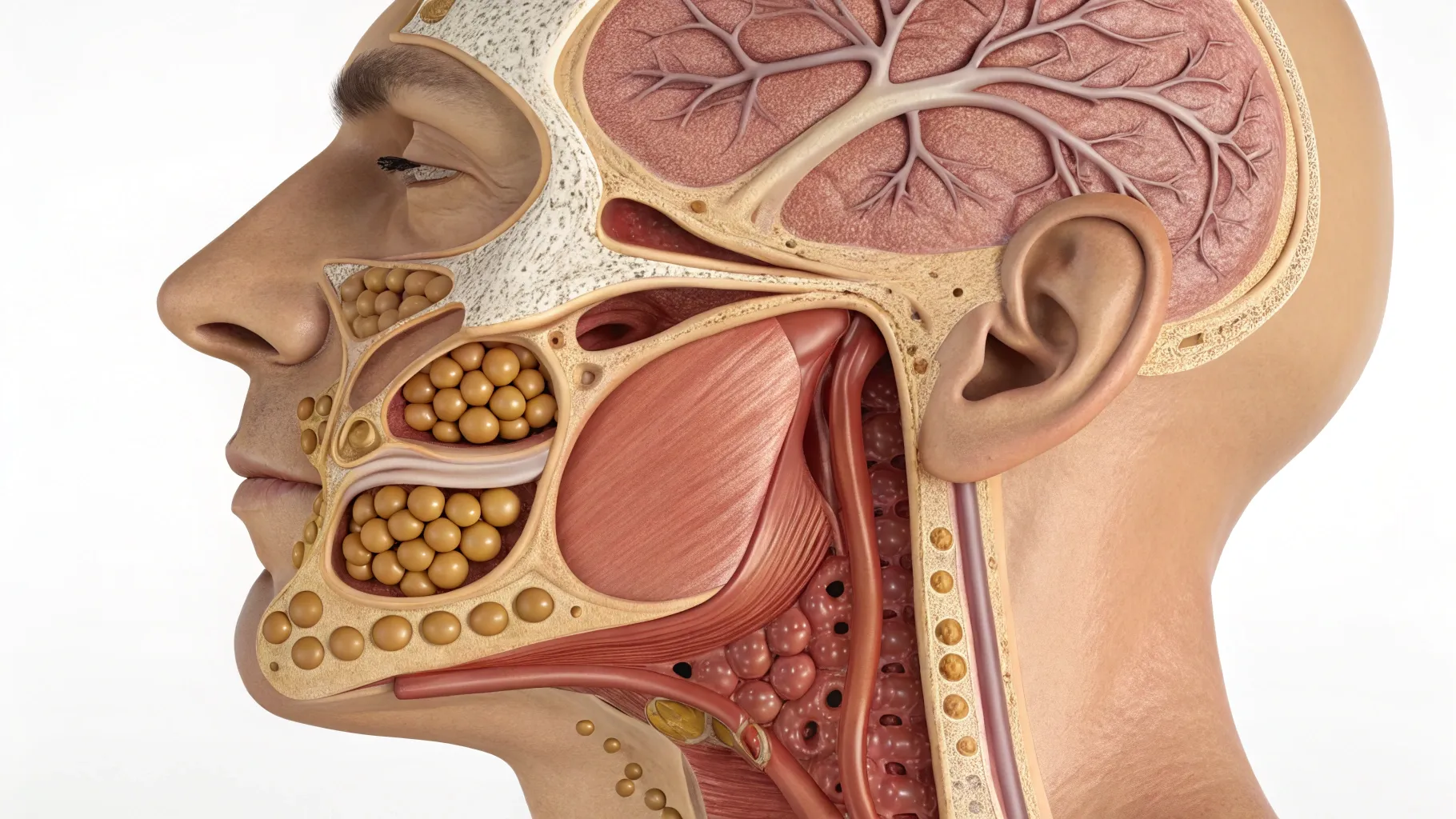
Initial Steps and Home Remedies to Shrink Nasal Polyps Naturally
Before considering more invasive procedures, many individuals look for strategies to shrink nasal polyps naturally. While these approaches may not eliminate large polyps, they can often alleviate symptoms and prevent the growth of new ones, particularly when combined with professional advice. Saline irrigation, using a neti pot or saline rinse, can help clear allergens and irritants from nasal passages, reducing inflammation and creating a less favorable environment for polyp growth. Additionally, dietary changes focusing on anti-inflammatory foods, such as omega-3 rich fish, fruits, and vegetables, can support overall sinus health. Avoiding known allergens and irritants like smoke and certain pollutants is also vital in managing the condition. Regular steam inhalation, perhaps with a few drops of eucalyptus oil, can also provide temporary relief from congestion and potentially aid in managing symptoms associated with chronic sinus polyps treatment.
Medical Treatment for Nasal Polyps: A Detailed Overview
When natural methods prove insufficient, medical treatment for nasal polyps becomes the next essential step. The primary goal of medical intervention is to reduce inflammation and shrink the polyps. Corticosteroids are a cornerstone of treatment. Nasal corticosteroid sprays are typically the first line of defense, working by reducing swelling in the nasal passages. For more severe cases, oral corticosteroids may be prescribed for a short course to rapidly reduce polyp size and inflammation. However, due to potential side effects, long-term oral corticosteroid use is generally avoided. In recent years, biologic medications, such as dupilumab, have emerged as highly effective nasal polyps treatment options for individuals with severe chronic rhinosinusitis with nasal polyps, offering a targeted approach to reduce inflammation and improve symptoms. These treatments are often recommended when other medical therapies have failed to provide adequate relief, offering new hope for those looking to effectively how to get rid of nasal polyps.
Comparison of Nasal Polyps Treatment Options
When exploring nasal polyps treatment options, it's critical to compare the efficacy and suitability of different approaches. Natural remedies, while often gentle and without significant side effects, may only offer symptomatic relief or slow growth, especially for smaller polyps, making them a part of strategies to shrink nasal polyps naturally. Medical treatments, particularly corticosteroids, are generally more effective at reducing the size of existing polyps and controlling inflammation. Oral corticosteroids provide rapid relief but come with a higher risk of systemic side effects, limiting their long-term use. Nasal sprays are safer for extended periods but may take longer to show full effects. Biologic therapies represent a significant advancement for severe, recurrent polyps, offering sustained improvement with a lower systemic side effect profile compared to oral steroids, but they are typically reserved for cases where other treatments have not worked. Surgical intervention, while effective for immediate removal, does not prevent recurrence without ongoing medical management. The choice of treatment often depends on the size and number of polyps, the severity of symptoms, and the patient's overall health and preferences for how to get rid of nasal polyps.
Surgical Interventions for Chronic Sinus Polyps Treatment
For individuals whose polyps do not respond to medical therapy or who experience severe obstruction, surgery may be a necessary component of chronic sinus polyps treatment. Endoscopic sinus surgery (ESS) is the most common procedure used to remove nasal polyps and improve sinus drainage. During ESS, a surgeon uses a thin, lighted instrument called an endoscope to visualize the nasal passages and sinuses, then removes the polyps and any obstructive tissue. This procedure is minimally invasive and typically results in significant improvement in breathing and sense of smell. However, it is important to understand that surgery removes the polyps but does not cure the underlying inflammation that causes them. Therefore, post-operative medical management, often involving nasal corticosteroid sprays or rinses, is crucial to prevent recurrence. Regular follow-up with an ENT specialist is also essential to monitor the nasal passages and address any new growths early, ensuring sustained relief from the symptoms of chronic sinus polyps treatment.
Actionable Advice for Managing Nasal Polyps
Effectively managing nasal polyps requires a multi-faceted approach. Here's actionable advice to help you navigate your treatment journey and learn how to get rid of nasal polyps:
- Consult an ENT Specialist: Always seek professional medical advice for accurate diagnosis and personalized nasal polyps treatment options. Self-diagnosis and self-treatment can delay effective care.
- Adhere to Medication Regimens: If prescribed corticosteroids or biologics, follow your doctor's instructions meticulously. Consistency is key to achieving optimal results and preventing recurrence.
- Maintain Nasal Hygiene: Regular saline rinses can help keep nasal passages clear, reduce inflammation, and support the efficacy of other treatments. This is a simple yet powerful way to shrink nasal polyps naturally in conjunction with medical care.
- Identify and Avoid Triggers: Pay attention to what exacerbates your symptoms. Allergens, irritants, and certain foods can contribute to inflammation and polyp growth. Minimizing exposure is vital for effective chronic sinus polyps treatment.
- Consider Lifestyle Adjustments: Incorporate anti-inflammatory foods into your diet and maintain a healthy lifestyle. While not a cure, these can support your overall immune system and reduce systemic inflammation.
- Schedule Regular Follow-ups: Post-treatment monitoring is crucial. Regular check-ups with your ENT specialist can help detect any recurrence early and adjust your treatment plan as needed.
Frequently Asked Questions
What are the primary symptoms that indicate I may need to learn how to get rid of nasal polyps?
Common symptoms include a persistent stuffy nose, reduced or lost sense of smell, postnasal drip, facial pressure or pain, and snoring. If these symptoms persist, it's advisable to consult a healthcare professional to determine if you have nasal polyps and discuss nasal polyps treatment options.
Can I really shrink nasal polyps naturally without medication?
While some natural methods like saline rinses, steam inhalation, and anti-inflammatory diets can help reduce inflammation and alleviate symptoms, they are rarely sufficient to completely shrink nasal polyps naturally or eliminate larger polyps. They are often best used as complementary therapies alongside medical treatments.
What is the difference between medical treatment for nasal polyps and surgical options?
Medical treatment for nasal polyps primarily involves corticosteroids (nasal sprays or oral) and biologics to reduce inflammation and shrink polyps. Surgical options, such as endoscopic sinus surgery, physically remove the polyps. Medical treatment is often the first line, with surgery reserved for cases unresponsive to medication or severe obstruction as part of a comprehensive chronic sinus polyps treatment plan.
How long does it take for medical treatment to show results for nasal polyps?
The timeframe can vary. Nasal corticosteroid sprays may take several weeks to show noticeable improvement, while oral corticosteroids can provide rapid relief within a few days to a week. Biologic treatments may take a few months to reach their full effect. Consistency with your prescribed regimen is crucial for optimal outcomes in learning how to get rid of nasal polyps.
References
- American Academy of Otolaryngology - Head and Neck Surgery Foundation.
- Mayo Clinic, Nasal Polyps.
- National Institute of Allergy and Infectious Diseases (NIAID).
- Medical literature on chronic rhinosinusitis and nasal polyps treatment.