
Effective Wrinkle Prevention Tips for Seniors: Mastering Skin Aging Prevention
Facts:
- Sun exposure is the leading cause of premature wrinkles.
- Collagen production decreases by 1% annually after age 20.
- Good hydration significantly supports skin aging prevention tips.
- Genetic predisposition influences 50-60% of skin aging.
Unlocking Youthful Radiance: Comprehensive Wrinkle Prevention Tips for Seniors
As we navigate the journey of life, our skin, the body's largest organ, gracefully evolves. However, understanding and implementing effective wrinkle prevention tips for seniors can significantly influence how our skin ages, maintaining its vitality and youthful glow. This extensive guide will delve deep into practical skin aging prevention tips, offering actionable strategies to mitigate the visible signs of aging and address the underlying factors that cause wrinkles, ensuring that older adults can enjoy healthy, resilient skin for years to come. By adopting targeted skincare habits for seniors and adjusting daily routines, individuals can make a profound difference in their skin's appearance and health.
Understanding the Factors That Cause Wrinkles in Older Adults
Before diving into preventative measures, it's essential to grasp the core factors that cause wrinkles as we age. Intrinsic aging, determined by genetics, plays a significant role in how quickly our skin's regenerative processes slow down. However, extrinsic factors, primarily environmental influences, often accelerate this process. Chronic sun exposure is arguably the most damaging, leading to photoaging characterized by fine lines, deep wrinkles, and uneven skin tone. Smoking, pollution, and even repetitive facial expressions are significant contributors. A comprehensive understanding of these influences forms the foundation for effective skin aging prevention tips tailored for seniors, empowering individuals to make informed choices that protect their skin from further damage and promote overall dermal health.
Essential Skincare Habits for Seniors for Optimal Skin Health
1. Prioritize Daily Sun Protection
One of the most critical skincare habits for seniors is diligent sun protection. UV radiation not only damages collagen and elastin fibers but also accelerates the formation of age spots and increases skin cancer risk. Regularly applying a broad-spectrum sunscreen with an SPF of 30 or higher, even on cloudy days, is non-negotiable. Furthermore, seeking shade during peak sun hours and wearing protective clothing like wide-brimmed hats and sunglasses are fundamental wrinkle prevention tips for seniors. This habit alone can dramatically reduce the impact of environmental factors that cause wrinkles and preserve the skin’s youthful texture and elasticity over time, forming the cornerstone of any effective anti-aging regimen.
2. Gentle Cleansing and Hydration
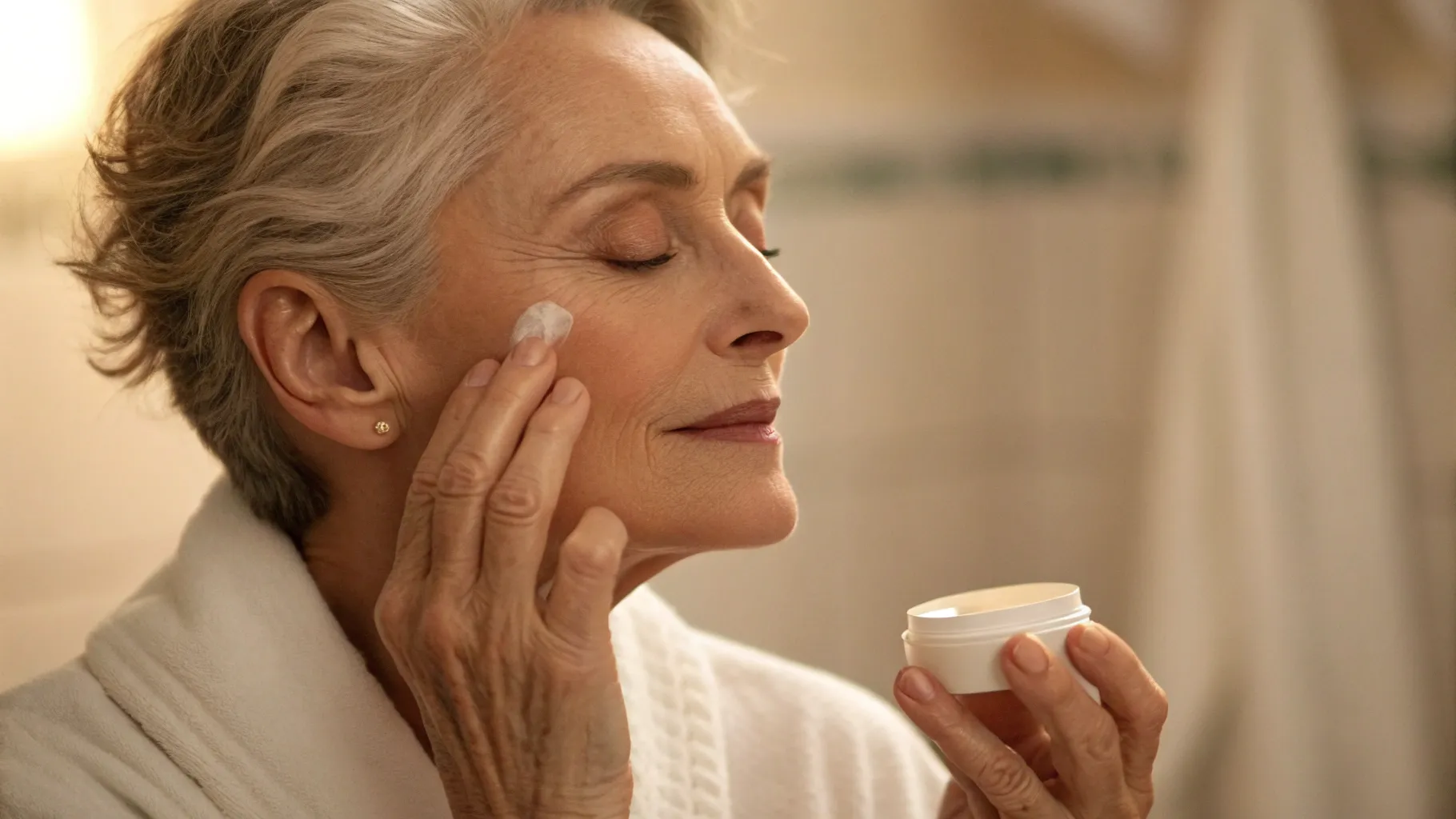
Aggressive scrubbing can strip natural oils, leading to dryness and irritation, which can exacerbate the appearance of wrinkles. Instead, opt for a mild, hydrating cleanser that respects the skin's barrier function. Immediately after cleansing, while the skin is still damp, apply a rich moisturizer to lock in hydration. Ingredients like hyaluronic acid, glycerin, and ceramides are excellent for restoring moisture and supporting skin barrier integrity, crucial components of effective skin aging prevention tips. Consistent hydration is vital, as well-hydrated skin appears plumper and smoother, diminishing the visibility of fine lines and contributing positively to wrinkle prevention for older adults.
3. Incorporate Targeted Anti-Aging Ingredients
For more targeted wrinkle prevention tips for seniors, integrate products containing specific anti-aging ingredients into your routine. Retinoids (retinol, retinaldehyde, tretinoin) are gold-standard for stimulating collagen production and accelerating cell turnover, significantly improving skin texture and reducing fine lines. Vitamin C, a powerful antioxidant, protects against free radical damage and brightens the complexion. Peptides can also support collagen synthesis, while alpha hydroxy acids (AHAs) gently exfoliate. Consulting a dermatologist can help tailor a regimen that addresses individual concerns and maximizes the benefits of these potent ingredients, enhancing overall skincare habits for seniors and delivering noticeable improvements.
4. Embrace a Healthy Lifestyle
The impact of lifestyle effects on skin aging cannot be overstated. A balanced diet rich in antioxidants, found in fruits, vegetables, and whole grains, helps combat oxidative stress that damages skin cells. Adequate water intake is essential for skin hydration from within. Regular exercise improves circulation, delivering oxygen and nutrients to skin cells and promoting a healthy glow. Furthermore, sufficient sleep allows the skin to repair and regenerate, directly impacting its appearance. Avoiding smoking, which constricts blood vessels and deprives the skin of vital oxygen, is one of the most impactful wrinkle prevention tips for seniors. These holistic approaches are integral to comprehensive skin aging prevention tips, fostering both internal and external wellness.
5. Manage Stress Effectively
Chronic stress triggers the release of cortisol, a hormone that can break down collagen and elastin, accelerating the aging process. Incorporating stress-reducing activities such as meditation, yoga, deep breathing exercises, or hobbies into your daily routine is a valuable, often overlooked, aspect of wrinkle prevention for older adults. Prioritizing mental well-being directly contributes to physical health, including skin health, making stress management a vital component of holistic skincare habits for seniors. By reducing stress, you can mitigate one of the significant factors that cause wrinkles and maintain a more youthful, calm complexion, enhancing overall well-being and skin vitality.
The Link Between Nutrition and Skin Elasticity
Nutrition plays a profound role in how our skin ages, offering internal skin aging prevention tips. A diet rich in antioxidants helps protect skin cells from damage caused by free radicals, which are major factors that cause wrinkles. Foods like berries, leafy greens, nuts, and green tea are packed with these protective compounds. Omega-3 fatty acids, found in fatty fish, flaxseeds, and walnuts, are crucial for maintaining skin barrier function and reducing inflammation, contributing to improved elasticity and a smoother appearance. Collagen-boosting nutrients, such as Vitamin C (found in citrus fruits, bell peppers), zinc (lentils, seeds), and copper (shellfish, nuts), are also vital for maintaining the skin's structural integrity. Integrating these nutritional strategies is a key aspect of effective wrinkle prevention tips for seniors, supporting skin health from the inside out.
Advanced Approaches for Wrinkle Prevention for Older Adults
Beyond daily skincare habits for seniors, there are advanced approaches that can further enhance wrinkle prevention for older adults. Professional treatments, such as chemical peels, microdermabrasion, and laser therapy, can stimulate collagen production, improve skin texture, and reduce the appearance of fine lines and wrinkles. Dermal fillers and Botox injections offer temporary but effective solutions for deeper wrinkles and volume loss. These medical aesthetic options should always be discussed with a qualified dermatologist to determine suitability and safety. Furthermore, continuous research into new ingredients and technologies provides evolving skin aging prevention tips, offering seniors more options to maintain youthful skin. Understanding these diverse options allows for a tailored approach to combating the factors that cause wrinkles effectively.
Actionable Advice: Your Daily Routine for Radiant Skin
- Morning Routine: Begin with a gentle cleanser. Apply an antioxidant serum (e.g., Vitamin C) to protect against environmental damage. Follow with a broad-spectrum SPF 30+ sunscreen, crucial for all wrinkle prevention tips for seniors. Finish with a hydrating moisturizer.
- Evening Routine: Double cleanse to remove makeup and impurities effectively. Apply a retinoid product to stimulate collagen and promote cell turnover, a core strategy in skin aging prevention tips. Layer with a rich, nourishing night cream to support overnight repair and hydration, vital for combating factors that cause wrinkles.
- Weekly Treatments: Incorporate a gentle exfoliating mask or serum once or twice a week to remove dead skin cells and improve product absorption. Use a hydrating sheet mask for an extra boost of moisture.
- Consult a Professional: Regularly visit a dermatologist or esthetician for personalized advice and to explore advanced treatments tailored to your specific skin concerns, further refining your skincare habits for seniors.
- Holistic Wellness: Remember that beautiful skin is also a reflection of overall health. Prioritize quality sleep, a balanced diet, regular exercise, and stress reduction as these lifestyle effects on skin aging are foundational to lasting results.
Frequently Asked Questions
Can sunscreen truly prevent all wrinkles for seniors?
While sunscreen is the most effective single measure against premature aging caused by sun exposure, which is one of the primary factors that cause wrinkles, it cannot entirely prevent all types of wrinkles. Intrinsic aging and genetic factors also contribute. However, consistent use of a broad-spectrum SPF 30+ sunscreen significantly reduces the development of sun-induced wrinkles and is a cornerstone of any effective wrinkle prevention for older adults strategy.
Are expensive anti-aging creams always better for skin aging prevention tips?
Not necessarily. The effectiveness of an anti-aging cream largely depends on its active ingredients, not just its price. Look for proven ingredients like retinoids, antioxidants (Vitamin C, E), hyaluronic acid, and peptides. A less expensive product with effective ingredients can often be just as beneficial as a high-end one, especially when integrated into consistent skincare habits for seniors.
How do lifestyle effects on skin aging compare to genetic factors?
Both genetics and lifestyle play crucial roles. Genetics determine about 50-60% of how our skin ages intrinsically, influencing factors like collagen degradation rates and skin type. However, lifestyle choices, such as sun exposure, diet, smoking, and stress, significantly impact extrinsic aging. Positive lifestyle effects on skin aging can often mitigate genetic predispositions, making it possible to look younger than one's genetic timeline suggests. Focusing on wrinkle prevention for older adults through lifestyle is highly impactful.
References
- American Academy of Dermatology Association. "Aging Skin."
- Mayo Clinic. "Wrinkle Treatment: Reduce the Appearance of Wrinkles."
- Journal of Clinical and Aesthetic Dermatology. "Current Trends in Anti-Aging Cosmeceuticals."
- British Journal of Dermatology. "Environmental Influences on Skin Aging: A Review."
- National Institute on Aging. "Skin Care and Aging."