
Endometriosis Early Symptoms: A Comprehensive Guide to Recognition
Facts:
- Endometriosis affects approximately 1 in 10 women globally.
- Increased awareness is helping to shorten diagnosis times for those experiencing symptoms.
Decoding the First Signs: Understanding Endometriosis Early Symptoms
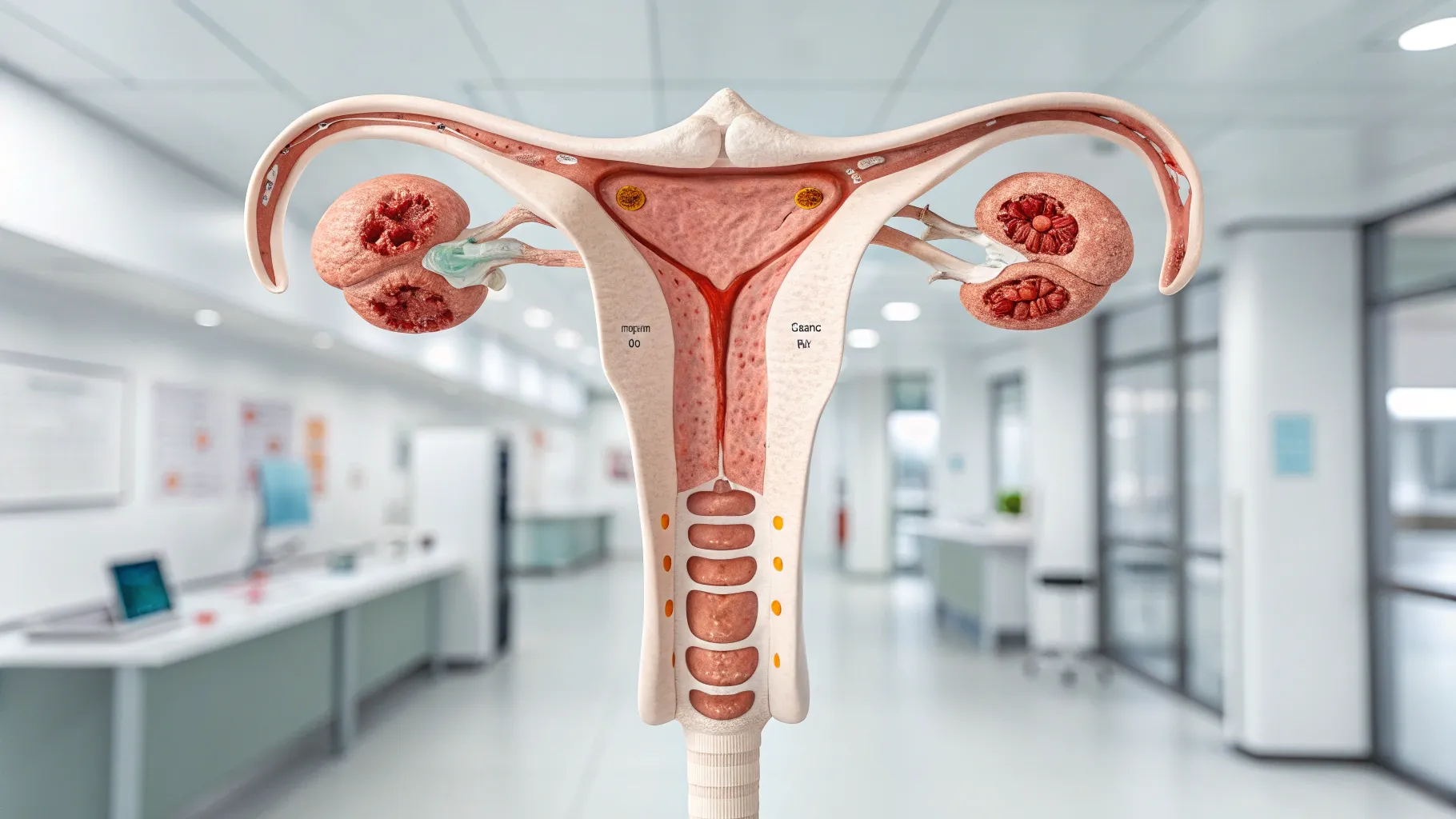
Endometriosis is a complex and often painful condition where tissue similar to the lining inside the uterus—the endometrium—grows outside the uterus. This can cause inflammation, scarring, and severe pain, particularly during menstrual cycles. The challenge for many is that the initial signs can be subtle or dismissed as 'normal' period pain. However, learning to recognize early symptoms of endometriosis is the most critical step toward receiving a timely diagnosis and effective management plan. Understanding these endometriosis early symptoms empowers you to advocate for your health and seek the care you need without the years of delay that many unfortunately experience.
Symptom 1: Severe Menstrual Cramps (Dysmenorrhea)
One of the most hallmark endometriosis early symptoms is dysmenorrhea, or intensely painful periods. This is not the typical discomfort many experience; it's often debilitating pain that over-the-counter medication may not relieve. The pain is caused by the endometrial-like tissue outside the uterus bleeding and shedding just as the uterine lining does, but with no way to exit the body. This leads to inflammation, cysts (endometriomas), and scar tissue. If your period pain consistently forces you to miss school, work, or social activities, it's a significant sign that you need to recognize early symptoms of endometriosis and discuss them with a healthcare provider. The pain might start a few days before your period and continue throughout, often described as a deep, cramping, or stabbing sensation in the lower abdomen and back.
Symptom 2: Chronic Pelvic Pain Outside of Your Period
While pain during menstruation is common, a key indicator of endometriosis is chronic pain in the pelvic region that persists even when you are not menstruating. This pain can be constant or intermittent and may feel like a dull ache or a sharp, intense pain. It can be triggered by specific movements or occur without any provocation. This persistent discomfort is a crucial sign to pay attention to when trying to recognize early symptoms of endometriosis. The chronic inflammation caused by the condition can affect pelvic nerves and create adhesions that pull on organs, leading to ongoing pain that significantly impacts quality of life. Don't dismiss persistent pelvic pain as something you just have to live with; it is one of the most important endometriosis early symptoms.
Symptom 3: Pain During or After Intercourse (Dyspareunia)
Pain during or after sexual intercourse, known as dyspareunia, is another common yet often underreported early symptom. The pain can be felt deep within the pelvis and is often caused by endometrial implants located behind the vagina or on the ligaments that support the uterus. The pressure and movement during intercourse can irritate these sensitive areas, leading to significant pain. Many individuals feel embarrassed to discuss this symptom, but it is a critical piece of the diagnostic puzzle. If you experience this, it's vital to recognize early symptoms of endometriosis and communicate this to your doctor. Addressing this symptom is not just about pain management but also about maintaining intimacy and overall well-being.
Symptom 4: Bowel and Bladder Issues
Endometriosis can grow on the bladder and bowels, leading to a variety of gastrointestinal and urinary symptoms that often get misdiagnosed as Irritable Bowel Syndrome (IBS) or a urinary tract infection. These endometriosis early symptoms can include painful bowel movements (dyschezia), painful urination (dysuria), bloating, constipation, diarrhea, and the feeling of an urgent need to urinate. These symptoms often worsen around the time of your menstrual period. If you notice a cyclical pattern to your digestive or bladder problems, it is a strong signal that you should try to recognize early symptoms of endometriosis and see if they align with your experience.
Symptom 5: Fatigue and Infertility
The chronic inflammation and persistent pain associated with endometriosis can lead to profound, overwhelming fatigue that isn't relieved by rest. This is more than just feeling tired; it's a systemic exhaustion that can interfere with daily life. Additionally, for some, difficulty conceiving is the very first sign that leads to an endometriosis diagnosis. The condition can cause blockages in the fallopian tubes, create an inflammatory pelvic environment, or affect egg quality. If you are struggling with unexplained infertility, it's worth considering whether other subtle endometriosis early symptoms might also be present.
Actionable Steps: How to Recognize and Address Early Symptoms
If you suspect you may have endometriosis, taking proactive steps is key. The journey to diagnosis begins with self-advocacy and careful observation. Here’s how you can effectively recognize early symptoms of endometriosis and prepare to speak with a healthcare professional:
- Symptom Tracking: Keep a detailed journal of your symptoms. Note the type of pain, its location, its intensity on a scale of 1-10, and when it occurs in relation to your menstrual cycle. This data is invaluable for your doctor.
- Be Specific: When you talk to your doctor, don't just say you have 'bad cramps.' Describe the impact. For example, 'The pain in my lower back and abdomen is so severe that I am unable to get out of bed for the first two days of my period.'
- Ask for a Specialist: If your primary care doctor or general gynecologist dismisses your concerns, seek a second opinion from a specialist who has experience with endometriosis. They are better equipped to recognize early symptoms of endometriosis.
- Prepare Questions: Write down your questions before your appointment. Ask about diagnostic options like ultrasound or laparoscopy and inquire about different treatment paths, from hormonal therapies to surgery.
Frequently Asked Questions
Can endometriosis early symptoms appear in teenagers?
Yes, absolutely. Many individuals experience their first endometriosis early symptoms during their teenage years, shortly after they begin menstruating. Unfortunately, this pain is often normalized or dismissed as 'normal period pain,' leading to significant delays in diagnosis. It's crucial to take a teenager's report of severe pelvic pain seriously.
How are endometriosis early symptoms officially diagnosed?
While a doctor may strongly suspect endometriosis based on symptoms, the definitive way to diagnose it is through a minimally invasive surgical procedure called a laparoscopy. During this procedure, a surgeon can visually confirm the presence of endometrial-like tissue outside the uterus. Imaging tests like ultrasounds or MRIs can sometimes identify larger cysts (endometriomas) but may not detect smaller implants.
Is it possible to recognize early symptoms of endometriosis without experiencing severe pain?
While pain is the most common symptom, it is possible for some individuals to have endometriosis with mild symptoms or even be asymptomatic. In these cases, the condition might be discovered incidentally during a surgery for another reason or during an investigation for infertility. This is why it's important to be aware of the full range of potential endometriosis early symptoms, including bloating, bowel issues, and fatigue.
References
- World Health Organization (WHO) Fact Sheet on Endometriosis
- American College of Obstetricians and Gynecologists (ACOG) Patient Resources
- Endometriosis Foundation of America Clinical Information
- Journal of Clinical Medicine Research on Diagnostic Delays