
Everything You Need to Know About Laser Treatment Options for Wrinkles
Facts:
- Laser skin resurfacing is a leading cosmetic procedure.
- Demand for non-invasive aesthetic treatments continues to rise for beauty enthusiasts.
Deciphering Laser Treatment Options for Wrinkles: A Deep Dive
In the quest for smoother, more youthful skin, laser treatment options for wrinkles have emerged as a highly effective solution. This comprehensive guide will illuminate everything you need to know about laser treatment options for wrinkles, offering insights into the various techniques, benefits, and considerations involved. From foundational principles to advanced procedures, we'll explore how these innovative treatments can significantly reduce the appearance of fine lines and deep wrinkles, helping individuals achieve their aesthetic goals with confidence and clarity.
Understanding Laser Treatment for Wrinkle Reduction
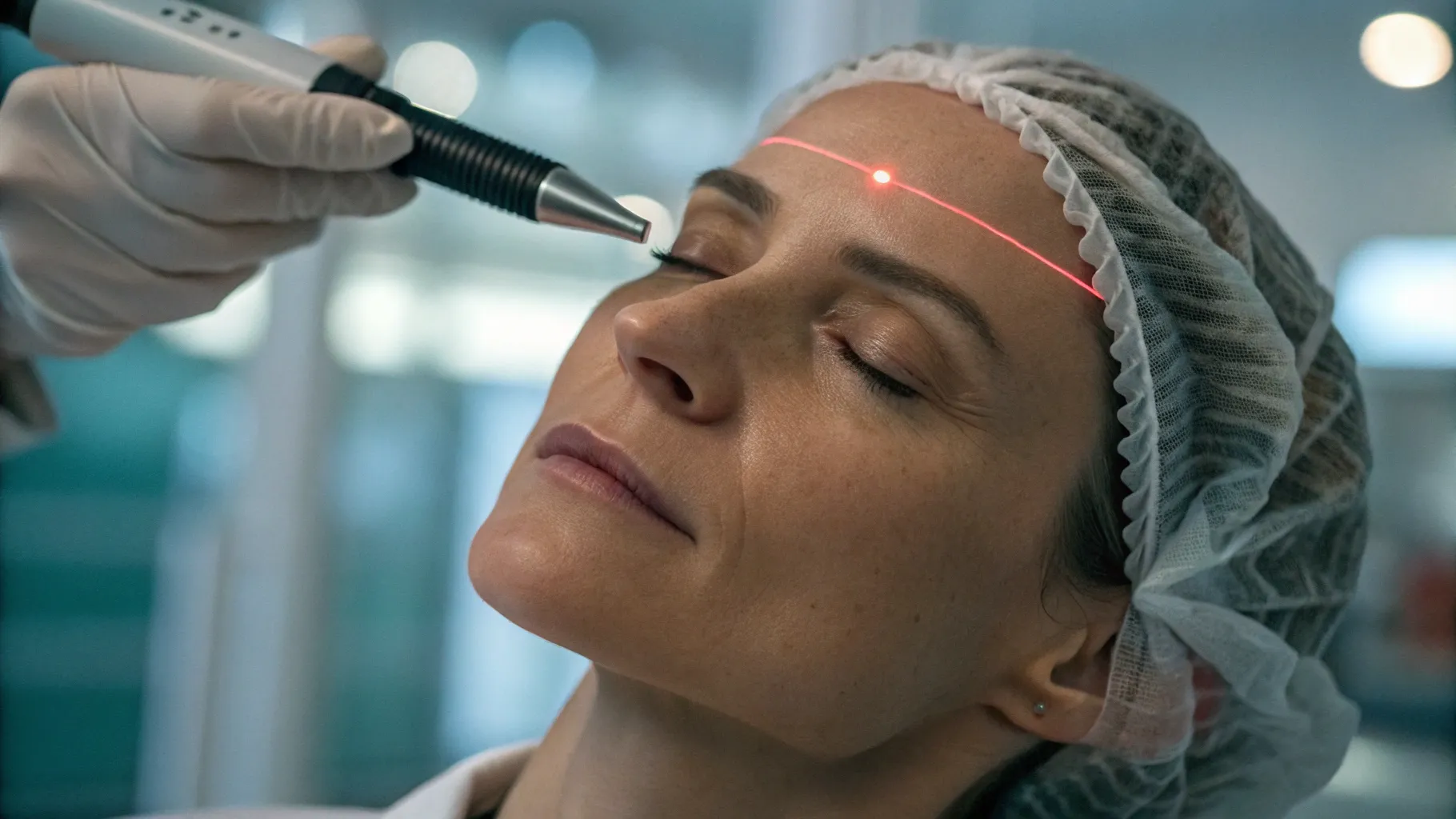
At its core, understanding laser treatment for wrinkles involves recognizing how concentrated beams of light energy target the skin's surface and underlying layers. These precise light waves stimulate collagen production, which is crucial for skin elasticity and firmness, while also encouraging the shedding of damaged outer skin cells. The process essentially kickstarts the body's natural healing mechanisms, leading to smoother, tighter, and more vibrant skin. Different types of lasers are designed to address various concerns, from superficial fine lines to more profound wrinkles, making it imperative to choose the right option for individual needs. This fundamental knowledge is the first step in appreciating the transformative potential of these advanced dermatological procedures.
Assessing The Effectiveness of Laser Treatments for Ageing Skin
Evaluating the effectiveness of laser treatments reveals a consistent trend of positive outcomes for wrinkle reduction. Clinical studies and patient testimonials frequently highlight significant improvements in skin texture, tone, and the visible reduction of fine lines and wrinkles. Ablative lasers, such as those used in CO2 laser treatment, are particularly potent as they remove the outer layers of skin, allowing new, healthier skin to regenerate. Non-ablative lasers, while less aggressive, still deliver impressive results by heating the underlying tissue and stimulating collagen without damaging the skin's surface. The degree of improvement largely depends on the type of laser used, the individual's skin condition, and adherence to post-treatment care. Many individuals report a more youthful appearance and a boost in self-confidence following a successful course of treatments, solidifying their reputation as a highly effective anti-aging strategy.
Preparing for Your Session: What to Expect During the Procedure
Knowing what to expect during the procedure for laser wrinkle treatment can significantly ease any anxieties. Before the treatment begins, your skin will be thoroughly cleansed, and a topical anesthetic may be applied to minimize discomfort, especially for more intensive procedures like CO2 laser treatment. You'll be given protective eyewear to shield your eyes from the laser light. The duration of the session varies depending on the size of the treated area and the type of laser being used, typically ranging from 30 minutes to a couple of hours. During the treatment, you might feel sensations ranging from mild warmth to a snapping sensation, often described as similar to a rubber band flicking against the skin. Experienced technicians will ensure your comfort throughout. Post-procedure, your skin may appear red and swollen, akin to a severe sunburn, which is a normal and expected part of the healing process. Understanding these steps helps in mentally preparing for the treatment journey.
Crucial Steps: Post-Treatment Care and Recovery for Optimal Results
Proper post-treatment care and recovery are paramount for achieving the best results and minimizing potential side effects after laser wrinkle treatment. Immediately after the procedure, your dermatologist will provide specific instructions tailored to your treatment. This usually includes diligently applying ointments or moisturizers to keep the treated area moist and protected, especially after intensive procedures like CO2 laser treatment. It is critical to avoid direct sun exposure and to use a broad-spectrum sunscreen with a high SPF daily, even on cloudy days, as the new skin is highly susceptible to sun damage. Swelling, redness, and mild discomfort are common during the initial recovery phase, which can last from a few days for non-ablative lasers to several weeks for ablative ones. Patients are often advised to avoid strenuous activities and certain skincare products until the skin has fully healed. Adhering to these guidelines ensures a smoother healing process and enhances the long-term benefits of the laser treatment.
Navigating Possible Risks and Considerations of Laser Treatments
While generally safe and effective, it's important to be aware of the possible risks and considerations associated with laser treatment for wrinkles. Common side effects include temporary redness, swelling, and itching, which typically subside within a few days to weeks. More significant risks, though less common, can include infection, changes in skin pigmentation (hyperpigmentation or hypopigmentation), scarring, and acne flare-ups. Patients with a history of cold sores may experience an outbreak after laser treatment, so prophylactic antiviral medication is often prescribed. It is crucial to have an open and honest discussion with your dermatologist about your medical history, current medications, and any pre-existing skin conditions to assess your suitability for the procedure. Choosing a qualified and experienced practitioner significantly mitigates these risks, as their expertise ensures proper technique and appropriate pre- and post-treatment protocols. A thorough consultation helps manage expectations and informs you fully about the entire process.
Exploring Laser Treatment Options for Wrinkles Cost: An Investment in Your Skin
When considering aesthetic enhancements, exploring laser treatment options for wrinkles cost is a significant factor for many individuals. The price of laser wrinkle treatment can vary widely based on several elements: the type of laser used (e.g., fractional, ablative like CO2 laser treatment, or non-ablative), the size of the area being treated, the geographic location of the clinic, the number of sessions required to achieve desired results, and the practitioner's expertise. Ablative treatments, which deliver more dramatic results, often come with a higher price tag per session but may require fewer sessions overall. Non-ablative treatments are typically less expensive per session but might necessitate a greater number of treatments to see comparable improvements. During your initial consultation, the clinic will provide a detailed breakdown of the costs involved, including any follow-up care or maintenance treatments. While it represents an investment, many find the lasting benefits of smoother, more youthful skin to be well worth the expenditure, reinforcing the value proposition of these advanced dermatological solutions.
Frequently Asked Questions
How long do the results of laser treatment options for wrinkles last?
The longevity of results from laser treatment options for wrinkles can vary significantly depending on the type of laser used, the depth of treatment, individual skin type, and lifestyle factors. For many, the improvements can last for several years, especially with ablative lasers like CO2 laser treatment, which stimulate substantial collagen remodeling. However, the natural aging process continues, and new wrinkles may eventually form. Maintaining a good skincare routine, protecting skin from sun exposure, and considering occasional touch-up treatments can help extend the benefits.
Is laser treatment for wrinkles painful?
The discomfort experienced during laser treatment for wrinkles varies. Most clinics apply a topical anesthetic cream before the procedure to minimize pain. For more aggressive treatments, such as CO2 laser treatment, local anesthesia or even light sedation might be used. Patients typically describe the sensation as a feeling of warmth, tingling, or a snapping elastic band. Post-treatment, there might be some soreness or a sunburn-like feeling, which can be managed with pain relievers and soothing topical applications.
How many sessions of laser treatment are typically needed for wrinkles?
The number of sessions required for laser treatment for wrinkles depends on the type of laser, the severity of the wrinkles, and the patient's desired outcome. Non-ablative treatments usually require a series of 3-6 sessions spaced a few weeks apart to achieve optimal results. Ablative treatments, like CO2 laser treatment, often deliver significant results in just one session, though some individuals may opt for a second session to refine results. A personalized treatment plan will be discussed during your consultation.
References
- American Academy of Dermatology Association. Laser Resurfacing: FAQs.
- Journal of Clinical and Aesthetic Dermatology. Advances in Laser Resurfacing.
- Mayo Clinic. Laser Resurfacing.
- Plastic and Reconstructive Surgery. Outcomes of Fractional CO2 Laser Treatment.
- Dermatologic Surgery. Principles of Laser Skin Resurfacing.