Everything You Need to Know About Teeth Whitening Pens
In the world of at-home dental care, teeth whitening pens have emerged as a remarkably popular tool for achieving a brighter smile. Their slim, portable design makes them an attractive option for people with busy lifestyles who want a quick and easy way to combat surface stains. Unlike more involved whitening systems, pens offer a targeted approach that can be used almost anywhere, at any time.
What Exactly Is a Teeth Whitening Pen?
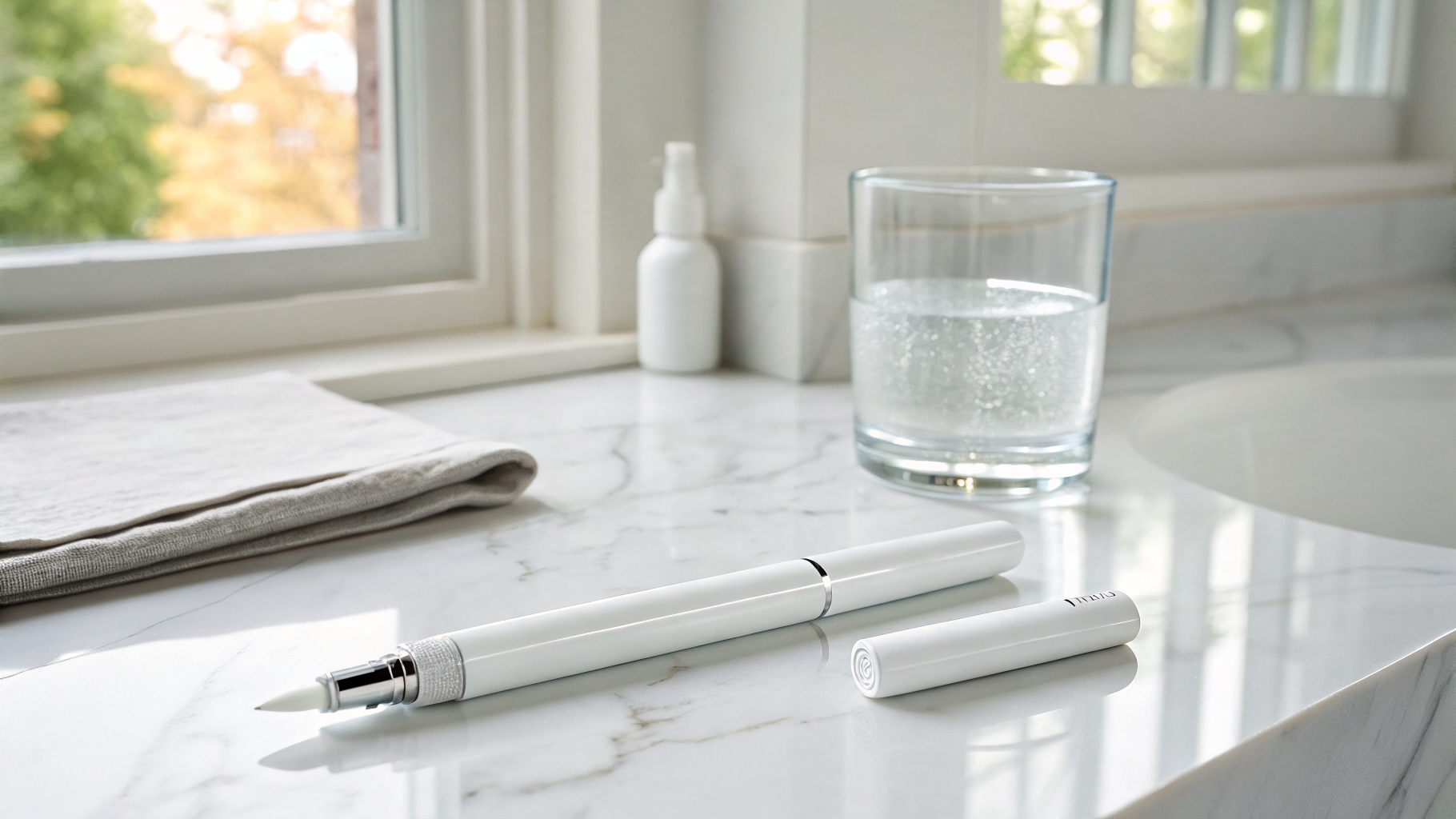
A teeth whitening pen is a small, portable applicator that contains a whitening gel. The device itself looks similar to a pen or a small tube and features a brush at its tip. This design allows for the precise application of the gel directly onto the surface of each tooth. The primary purpose of a whitening pen is to provide touch-ups and target specific stains, making it an excellent maintenance tool.
Compared to other over-the-counter options, pens are quite different. Whitening strips, for example, cover a larger area of the teeth at once but can be messy and difficult to keep in place. Whitening trays involve filling a mouthguard with gel, which can be time-consuming. Pens bypass these issues by offering a simple, paint-on method that is quick and requires minimal cleanup, positioning them as a go-to for convenience.
The Science Behind the Smile: How They Work
The effectiveness of a teeth whitening pen comes from its active ingredients. Most whitening gels use a peroxide-based bleaching agent, typically either carbamide peroxide or hydrogen peroxide. When this gel is applied to the teeth, the peroxide breaks down into oxygen radicals. These radicals penetrate the tooth enamel and react with the discolored molecules that cause stains, effectively breaking them apart and reducing their visibility.
The application process is straightforward. After twisting the base of the pen to dispense the gel onto the brush tip, the user simply paints a thin layer onto the visible surfaces of their teeth. The gel adheres to the teeth and dries quickly. Over the next several minutes, the active ingredients work to lift stains before the gel naturally dissolves or is rinsed away. For best results, consistent use as directed by the product's instructions is necessary.
The Ultimate in Convenience: Why Pens Are Popular
The primary driver behind the popularity of whitening pens is their unmatched convenience. Their compact size means they can easily be slipped into a pocket, purse, or desk drawer for use whenever needed. This portability makes it simple to whiten on the go, whether you are at the office, traveling, or simply want a quick touch-up before a social event.
This ease of use is particularly appealing for addressing stains as they happen. After consuming stain-causing foods or drinks like coffee, tea, or red wine, a quick application can help prevent the new stains from setting in. This immediate response capability makes pens an excellent tool for maintaining the results of a more intensive whitening treatment or for making subtle improvements over time without the commitment of a full whitening kit.
Managing Expectations: What Results Can You See?
It is important to have realistic expectations about the results a teeth whitening pen can deliver. These devices are most effective at treating extrinsic stains, which are the surface-level discolorations caused by food, drinks, and smoking. For this purpose, they can produce a noticeable brightening effect and help maintain a radiant smile.
However, pens are generally not designed for dramatic, multi-shade whitening. Deeper, intrinsic stains, which are located within the tooth structure, may not respond well to the lower peroxide concentrations found in most pens. The results are typically more subtle and gradual than what you would achieve with professional in-office treatments or custom whitening trays from a dentist. They are best viewed as a supplementary tool in a broader oral care routine.
How to Choose a Quality Whitening Pen
With so many options available, selecting the right whitening pen requires a bit of research. A key factor to consider is the concentration of the whitening agent. Products with a higher concentration may work faster, but they also carry a higher risk of causing tooth sensitivity. If you have sensitive teeth, it is wise to look for a formula with a lower percentage of peroxide or one that includes ingredients designed to reduce sensitivity.
Beyond the active ingredients, it is helpful to consider other factors to ensure you are choosing a reliable product.
Read User Reviews
Check feedback from other customers to learn about their experiences with the pen's effectiveness, ease of application, and any instances of sensitivity.
Check the Ingredient List
Look for clear labeling of the active ingredient (carbamide or hydrogen peroxide) and its concentration. Some pens also contain ingredients like potassium nitrate to help soothe sensitivity.
Look for Clear Instructions
A reputable product will come with detailed, easy-to-follow directions for safe and effective use. Following these instructions is crucial for achieving good results and avoiding side effects.
Potential Side Effects and Safety Tips
While generally safe when used as directed, teeth whitening pens can cause some side effects. The most common issues are temporary tooth sensitivity and gum irritation. Sensitivity occurs when the peroxide penetrates the enamel and reaches the nerves within the tooth. Gum irritation typically happens if the whitening gel comes into prolonged contact with the soft tissues of the mouth.
To minimize these risks, proper application is key. Be careful to apply the gel only to your teeth, avoiding your gums as much as possible. It is also important not to overuse the product; stick to the frequency recommended in the instructions. If you experience significant or lasting discomfort, it is best to stop using the pen and consult with your dentist. A dental professional can also advise you on whether at-home whitening is a suitable option for your specific oral health needs.