Exploring Natural Remedies for Eczema: A Comprehensive Guide
Facts:
- Eczema affects over 31 million people in the United States.
- A rising trend for managing eczema involves holistic approaches.
Understanding Eczema and the Power of Natural Solutions
Eczema, or atopic dermatitis, is a chronic inflammatory skin condition characterized by dry, itchy, and inflamed skin. While conventional treatments exist, many people are turning to natural remedies for eczema to find gentle yet effective relief. These approaches focus on soothing the skin, reducing inflammation, and strengthening the skin's natural barrier, often with fewer side effects than prescription medications. Exploring the world of natural remedies for eczema can empower you to take a more holistic approach to managing your skin health and finding long-term comfort.
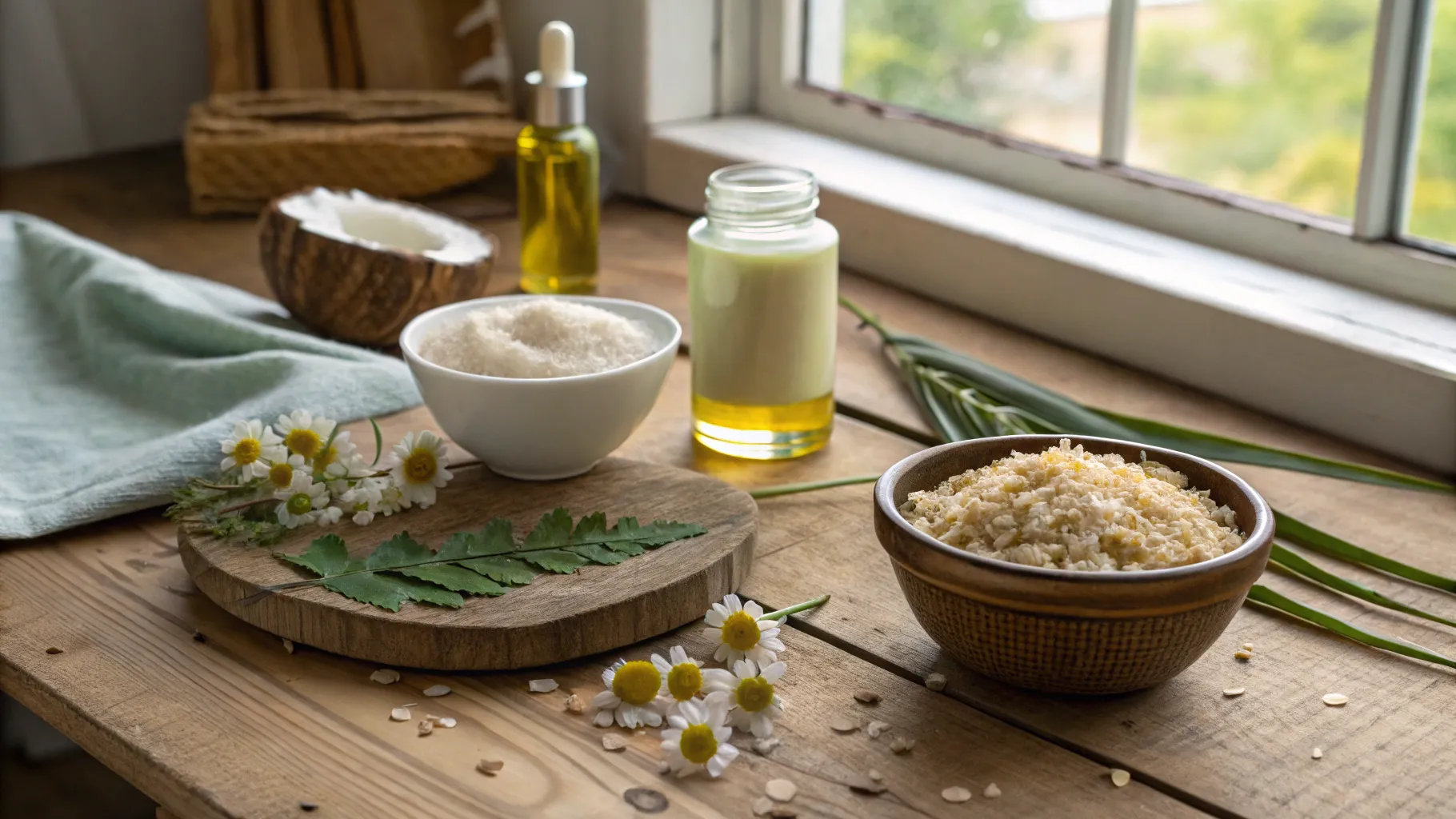
Top Plant-Based Natural Remedies for Eczema
Nature offers a wealth of ingredients that can provide significant relief for eczema-prone skin. These plant-based solutions are often rich in anti-inflammatory, antibacterial, and moisturizing properties. Integrating these natural remedies for eczema into your daily routine can make a substantial difference in managing flare-ups and maintaining skin health.
Colloidal Oatmeal
Colloidal oatmeal, made from finely ground oats, is one of the most well-researched natural remedies for eczema. When added to a lukewarm bath, it creates a milky, soothing soak that coats the skin, locking in moisture and easing itchiness. Its avenanthramide compounds are known for their powerful anti-inflammatory and antioxidant effects, which directly target the irritation associated with eczema. Regular oatmeal baths can help calm redness and restore the skin's protective barrier.
Coconut Oil
Virgin coconut oil is a popular choice among natural remedies for eczema due to its excellent moisturizing capabilities and antimicrobial properties. It is rich in lauric acid, a fatty acid that can help combat harmful bacteria, such as Staphylococcus aureus, which often colonizes the skin of eczema sufferers and can worsen symptoms. Applying a thin layer of virgin coconut oil to damp skin after a bath can help trap moisture and reduce dryness and scaling.
Aloe Vera Gel
The clear gel from the aloe vera plant is renowned for its cooling and soothing properties. It provides immediate relief from the burning and itching sensations of an eczema flare-up. Aloe vera also has anti-inflammatory and wound-healing effects, promoting faster recovery of broken or scratched skin. When choosing a product, opt for pure aloe vera gel without added alcohol or fragrances, which can be irritating. It stands out as one of the simplest yet effective natural remedies for eczema.
Lifestyle Adjustments to Complement Natural Treatments
Effectively managing eczema goes beyond topical applications. Your daily habits and environment play a crucial role. Adopting certain lifestyle changes can significantly enhance the effectiveness of natural remedies for eczema and reduce the frequency and severity of flare-ups. This holistic approach addresses potential triggers and supports your body's overall health.
Dietary Modifications
Certain foods can trigger inflammation and worsen eczema symptoms in some individuals. Common culprits include dairy, gluten, eggs, and soy. An anti-inflammatory diet rich in omega-3 fatty acids (found in fish and flaxseed), antioxidants (from colorful fruits and vegetables), and probiotics (in yogurt and fermented foods) can support skin health from the inside out. Keeping a food diary can help you identify personal triggers and make informed dietary choices that complement your use of natural remedies for eczema.
Stress Management Techniques
Stress is a well-known trigger for eczema flare-ups. When you are stressed, your body releases cortisol, a hormone that can drive inflammation. Incorporating stress-reduction practices like mindfulness, meditation, yoga, or even deep-breathing exercises can help calm your nervous system and, in turn, your skin. Managing stress is a critical, non-topical component of a successful strategy involving natural remedies for eczema.
Actionable Advice: Soothing Baths and Compresses
Therapeutic baths and compresses are excellent ways to deliver the benefits of natural remedies for eczema directly to irritated skin. They can help reduce itching, calm inflammation, and hydrate dry patches. Here are some effective methods to incorporate into your care routine.
- Chamomile Tea Compress: Brew a strong cup of chamomile tea, let it cool completely, and then soak a clean cloth in it. Apply the compress to affected areas for 15-20 minutes. Chamomile contains flavonoids and essential oils that have potent anti-inflammatory properties, making it a gentle but effective tool.
- Apple Cider Vinegar Bath: Add one to two cups of raw, unfiltered apple cider vinegar to a lukewarm bath. Soak for 15-20 minutes. The acidic nature of ACV can help restore the skin's natural pH balance and may help ward off harmful bacteria. This is a powerful addition to your toolkit of natural remedies for eczema.
- Calendula-Infused Oil: Infuse a carrier oil like jojoba or olive oil with dried calendula flowers. Let it sit for several weeks, then strain. Apply this oil to the skin to soothe irritation and promote healing. Calendula is celebrated for its ability to reduce inflammation and support skin repair.
Comparing Natural vs. Conventional Eczema Treatments
When managing eczema, patients often find themselves weighing the pros and cons of different approaches. Conventional treatments, such as topical corticosteroids, are effective at quickly reducing inflammation but may come with side effects like skin thinning with long-term use. On the other hand, natural remedies for eczema are often favored for their gentle profiles and holistic benefits. While they might take longer to show results, they focus on nourishing the skin and addressing underlying imbalances without harsh chemicals. Many people find success by integrating both, using natural remedies for eczema for daily maintenance and resorting to conventional treatments for severe flare-ups under a doctor's guidance.
Frequently Asked Questions
Are natural remedies for eczema safe for children and babies?
Many natural remedies for eczema, such as colloidal oatmeal baths and sunflower seed oil, are generally considered safe for children and babies. However, it is crucial to perform a patch test before applying any new substance to a large area of skin. Always consult with a pediatrician or dermatologist before starting a new treatment regimen for a child to ensure it is appropriate for their specific condition and age.
How long does it take for natural remedies for eczema to work?
The time it takes to see results from natural remedies for eczema can vary widely depending on the individual, the severity of the eczema, and the specific remedy being used. Some remedies, like a cooling aloe vera gel, may offer immediate but temporary relief from itching. Others, which work to repair the skin barrier like coconut oil, may require several weeks of consistent use to show a noticeable improvement.
Can I use multiple natural remedies for eczema at the same time?
Yes, it is often beneficial to combine several natural remedies for eczema as part of a comprehensive skin care plan. For instance, you might take a colloidal oatmeal bath, then apply a layer of calendula-infused oil to damp skin. The key is to introduce new remedies one at a time to monitor for any adverse reactions before combining them.
References
- National Eczema Association: Atopic Dermatitis Overview
- Journal of Clinical Medicine: The Role of Natural Ingredients in Atopic Dermatitis
- Dermatologic Therapy: Advances in the Treatment of Eczema
- International Journal of Molecular Sciences: Anti-Inflammatory Properties of Plant-Based Compounds