
Parkinsons Disease Latest Advancements and Therapies
Facts:
- Parkinson's affects millions globally, with symptoms worsening over time.
- Research in Parkinsons Disease Treatments is rapidly accelerating, offering new hope.
Unveiling Cutting-Edge Approaches in Parkinsons Disease Treatments
Parkinson’s Disease Treatments are continuously evolving, offering new hope for millions worldwide. This comprehensive exploration delves into the most significant advancements and emerging therapies aimed at slowing progression and alleviating symptoms, marking a pivotal shift in how we approach this complex neurological disorder. From genetic interventions to sophisticated device-based therapies, the landscape of Parkinsons Disease Treatments is transforming, promising a brighter future for those affected.
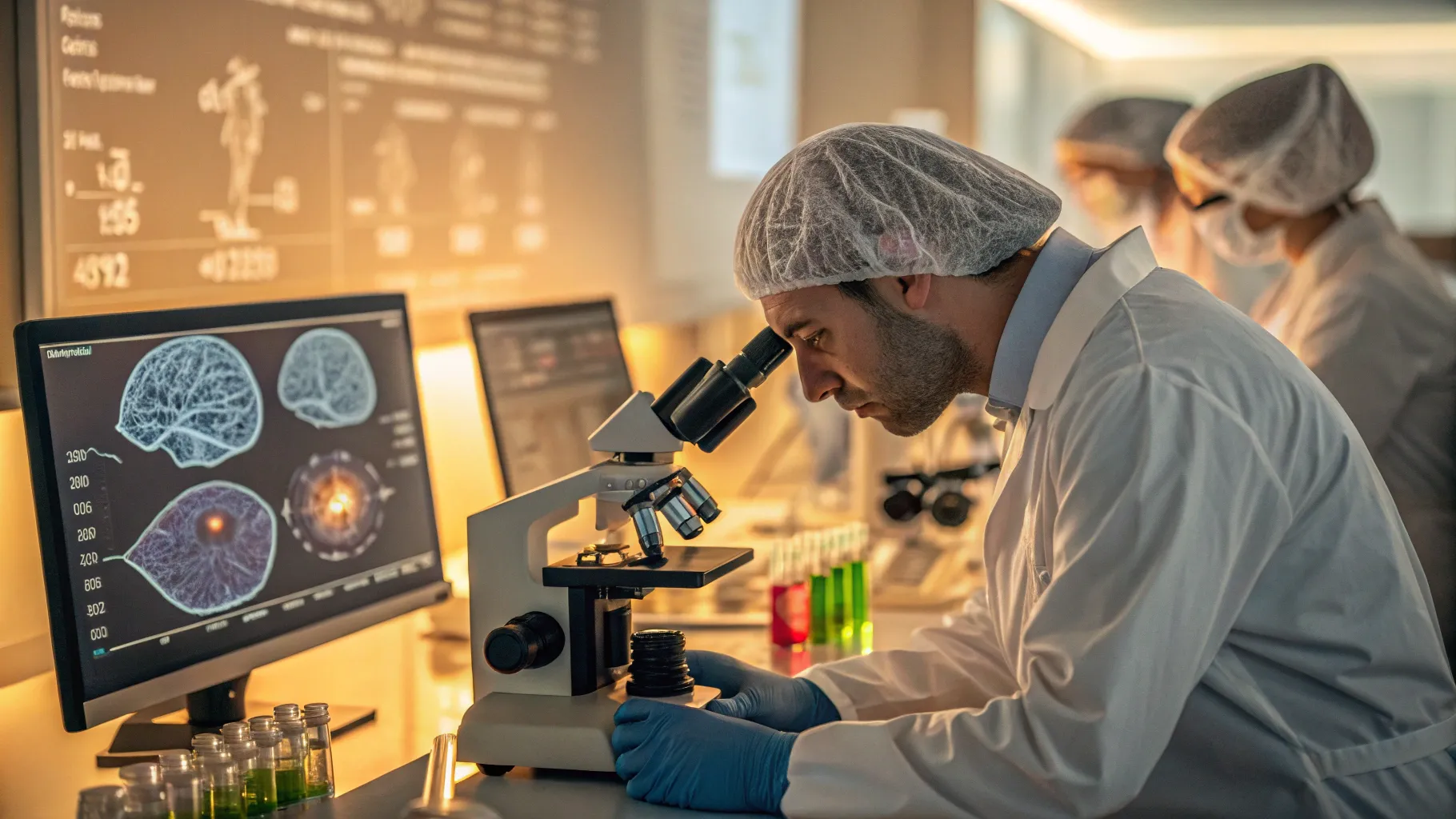
Genetic Therapies and Disease Modification for Parkinson's
One of the most exciting frontiers in Parkinsons Disease Treatments involves genetic therapies. Researchers are exploring ways to target the genetic underpinnings of Parkinson's disease, aiming to modify the disease's course rather than just managing symptoms. Gene therapy involves introducing new genetic material into a patient's cells to produce proteins that can protect neurons, reduce inflammation, or even stimulate the production of dopamine. This represents a fundamental shift in strategy, moving towards true disease modification in Parkinsons Disease Treatments. Early clinical trials are showing promising results, particularly in therapies designed to deliver genes that enhance the production of neurotrophic factors or enzymes involved in dopamine synthesis, potentially slowing down the neurodegeneration characteristic of Parkinson's.
Advanced Pharmacological Interventions and Drug Repurposing
While dopamine replacement remains a cornerstone, advancements in pharmacological Parkinsons Disease Treatments are expanding beyond levodopa. Novel drug targets are being identified, focusing on different neurotransmitter systems, inflammation pathways, and protein aggregation processes within the brain. Drugs that modulate adenosine receptors, for instance, are showing promise in clinical trials for improving motor symptoms and reducing dyskinesias. Furthermore, the repurposing of existing drugs, originally developed for other conditions, is an efficient avenue in the search for effective Parkinsons Disease Treatments. This approach significantly shortens the development timeline, as these drugs already have established safety profiles. Researchers are rigorously screening and testing compounds with known mechanisms of action that could prove beneficial for Parkinson's patients, addressing both motor and non-motor symptoms with greater precision.
Enhancing Quality of Life with Innovative Neuromodulation
Beyond traditional medications, innovative neuromodulation techniques are offering significant improvements in the quality of life for many individuals with Parkinson's. These advanced Parkinsons Disease Treatments include refined Deep Brain Stimulation (DBS) and emerging focused ultrasound therapies. These interventions are critical for patients who experience debilitating motor fluctuations or dyskinesias that are no longer well-controlled by medication. Each technique offers a unique approach to modulating brain activity, providing substantial symptom relief and enabling patients to regain a higher level of functional independence.
Deep Brain Stimulation (DBS) Innovations
Deep Brain Stimulation (DBS) has been a standard of care for advanced Parkinson's for years, but recent innovations are making it even more effective. Advances in hardware, such as smaller batteries and rechargeable systems, along with sophisticated programming capabilities that allow for adaptive or personalized stimulation, are optimizing outcomes. These modern DBS systems can adjust stimulation levels in real-time based on a patient's brain activity, leading to more precise symptom control and fewer side effects. This personalized approach to DBS is revolutionizing the long-term management aspects of Parkinsons Disease Treatments, providing sustained relief from tremors, rigidity, and bradykinesia.
Focused Ultrasound and Non-Invasive Approaches
Focused ultrasound (FUS) is an exciting non-invasive alternative to traditional surgery for specific Parkinson's symptoms, particularly unilateral tremor. This technique uses high-intensity ultrasound waves to precisely ablate a small area in the brain responsible for tremors, without requiring incisions. For selected patients, FUS offers immediate and significant tremor relief with a lower risk profile than invasive surgery. While still primarily used for tremor-dominant Parkinson's, ongoing research is exploring its potential for broader applications in Parkinsons Disease Treatments, including targeting other motor symptoms and even delivering therapeutic agents to specific brain regions.
Emerging Biologics and Immunotherapies for Parkinson's
Biologic therapies and immunotherapies represent another cutting-edge area in Parkinsons Disease Treatments. These approaches often involve using biological molecules, such as antibodies, to target specific pathological proteins or processes involved in Parkinson's disease progression. A prime example is the development of antibodies designed to clear alpha-synuclein, a protein that aggregates in the brains of Parkinson's patients and is believed to play a central role in neurodegeneration. By reducing the burden of misfolded alpha-synuclein, these therapies aim to slow or halt the spread of pathology. While still in early to mid-stage clinical trials, these immunotherapies hold considerable promise for fundamentally altering the course of the disease, moving beyond symptomatic management towards disease-modifying Parkinsons Disease Treatments.
The Future Landscape of Parkinsons Disease Treatments
The future of Parkinsons Disease Treatments is characterized by a multidisciplinary approach, integrating insights from genetics, pharmacology, neuroscience, and artificial intelligence. Personalized medicine, tailored to an individual's specific genetic makeup and disease presentation, is becoming a tangible goal. AI and machine learning are being employed to analyze vast datasets, accelerate drug discovery, and identify optimal treatment strategies for individual patients. The combination of early diagnosis facilitated by advanced biomarkers, coupled with these highly targeted and personalized therapies, will revolutionize how Parkinson's disease is managed. While challenges remain in bringing these innovative Parkinsons Disease Treatments from research labs to widespread clinical availability, the current pace of discovery offers unprecedented optimism for effectively combating this challenging disease.
Navigating Your Journey: Actionable Advice for Parkinson's Patients
- Consult Specialists: Regularly engage with neurologists specializing in movement disorders to discuss the latest Parkinsons Disease Treatments and tailor your care plan. Understanding your options is paramount.
- Explore Clinical Trials: Research and consider participation in clinical trials. They offer access to cutting-edge Parkinsons Disease Treatments before wider availability and contribute to scientific advancement.
- Maintain an Active Lifestyle: Physical activity, including specialized exercises like dance, tai chi, or boxing, is crucial for managing symptoms and enhancing the effectiveness of Parkinsons Disease Treatments. Consistency is key.
- Nutritional Support: A balanced, nutrient-rich diet can significantly complement medical Parkinsons Disease Treatments, impacting overall well-being, energy levels, and even medication efficacy.
- Seek Support Networks: Connecting with support groups, both online and in person, provides invaluable emotional and practical advice from others navigating similar experiences with Parkinsons Disease Treatments.
Frequently Asked Questions
What are the most promising new Parkinsons Disease Treatments?
The most promising new Parkinsons Disease Treatments include gene therapies, immunotherapies targeting alpha-synuclein, and advanced neuromodulation techniques like focused ultrasound. These aim to address the root causes and provide sustained symptom relief beyond traditional approaches.
How do current Parkinsons Disease Treatments differ from future approaches?
Current Parkinsons Disease Treatments largely focus on symptomatic relief, primarily replenishing dopamine. Future approaches are increasingly focused on disease modification, aiming to slow, halt, or even reverse the neurodegeneration underlying Parkinson's disease through targeted genetic or biological interventions.
Can lifestyle changes complement medical Parkinsons Disease Treatments?
Absolutely. Lifestyle changes, including regular exercise, a balanced diet, and stress management, are crucial complements to medical Parkinsons Disease Treatments. They can significantly improve symptom management, enhance overall quality of life, and potentially slow functional decline.
Are there any non-pharmacological Parkinsons Disease Treatments showing promise?
Yes, non-pharmacological Parkinsons Disease Treatments such as Deep Brain Stimulation (DBS) and focused ultrasound therapies are showing significant promise for selected patients, particularly for controlling debilitating tremors and dyskinesias. Personalized rehabilitation programs are also vital for maintaining function.
References
- National Institute of Neurological Disorders and Stroke (NINDS)
- Parkinson's Foundation
- The Michael J. Fox Foundation for Parkinson's Research