
Finding Your Match: Hypoallergenic Dog Breeds Available for Adoption
For many individuals and families, the joy of dog ownership is often tempered by the reality of pet allergies. While no dog is entirely 'hypoallergenic,' certain breeds are known to produce fewer allergens, making them a more suitable choice for sensitive individuals. The good news is that these breeds can often be found through adoption, offering a second chance to a deserving animal and a loving companion to an allergy-prone home.
What Does 'Hypoallergenic' Really Mean?
The term 'hypoallergenic' when applied to dog breeds can sometimes be misunderstood. It does not mean that these dogs are completely allergen-free. Instead, it indicates that they are less likely to trigger an allergic reaction compared to other breeds. The primary cause of pet allergies is not dog hair itself, but rather dander flakes, which are microscopic bits of skin shed by animals, as well as proteins found in their saliva and urine.
Breeds labeled as hypoallergenic typically shed very little hair and, consequently, less dander. Their coat types often trap dander and loose hairs, preventing them from spreading as widely in the environment. Regular grooming, even for these breeds, is essential to manage dander and keep their coats healthy.
Common Hypoallergenic Dog Breeds
Many breeds are commonly cited for their low-shedding qualities, making them popular choices for those with allergies. These breeds come in a variety of sizes, temperaments, and grooming needs, offering options for almost any lifestyle.
- Poodles (Standard, Miniature, Toy): Known for their intelligence and distinctive curly coats, Poodles are excellent low-shedding dogs. Their hair grows continuously and does not fall out easily.
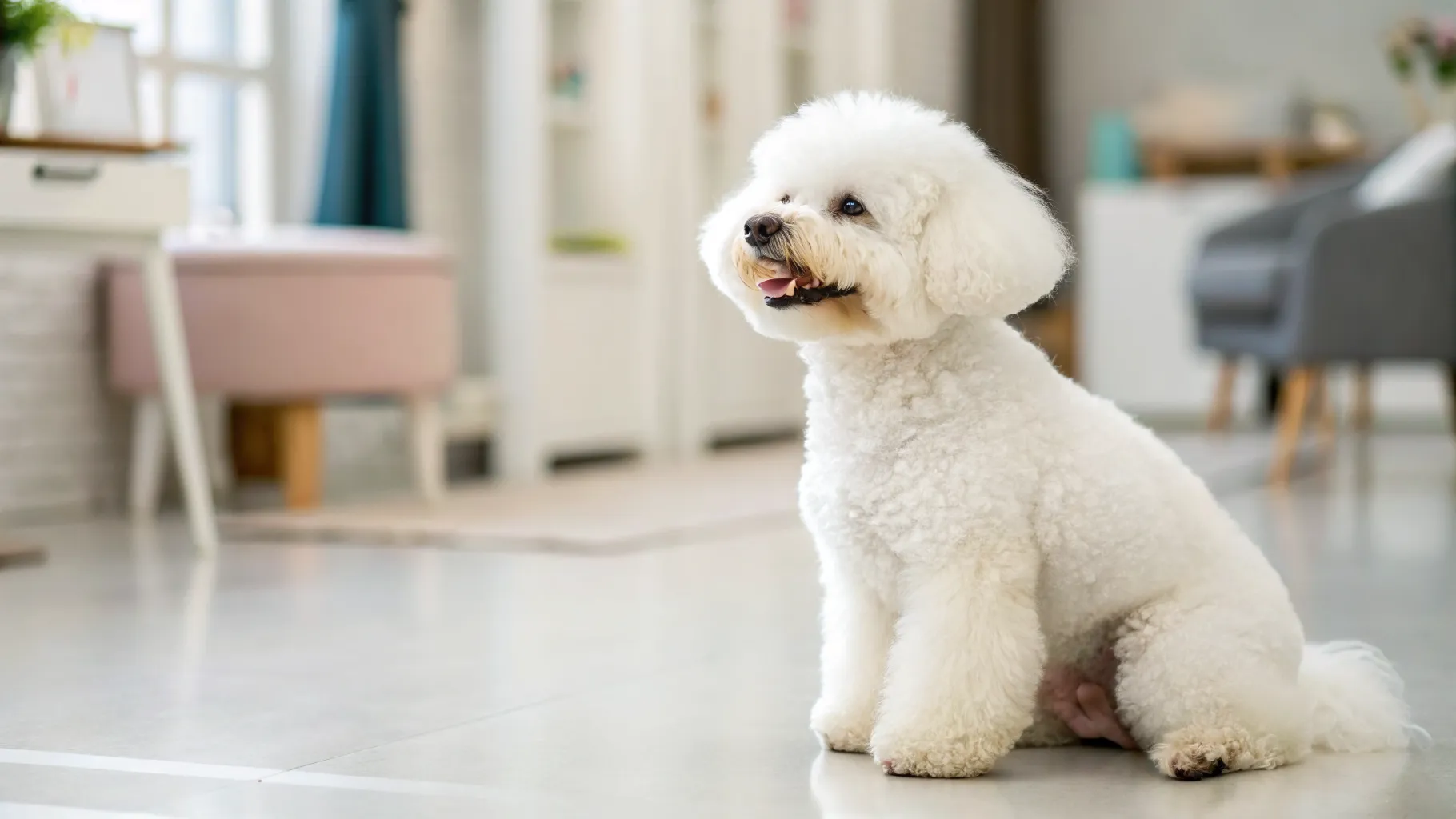
- Bichon Frise: These cheerful, small dogs have a soft, curly double coat that resembles a powder puff. They shed minimally, making them a good option for allergy sufferers.
- Schnauzers (Miniature, Standard, Giant): With their wiry outer coat and soft undercoat, Schnauzers shed very little. They require regular stripping or clipping to maintain their coat.
- Portuguese Water Dog: An active and robust breed, the Portuguese Water Dog has a single, wavy or curly coat that is low-shedding. They are known for their intelligence and love of water.
- Maltese: These elegant toy dogs possess long, silky white hair that is often compared to human hair. They shed very little but require daily grooming to prevent matting.
- Shih Tzu: Originally bred for royalty, Shih Tzus have a long, flowing double coat that sheds minimally. Consistent grooming is necessary to keep their coats free of tangles.
The Truth About Shedding and Allergies
It is important to reiterate that while shedding is a factor, the primary allergen is dander. Even a hairless dog can produce dander. Breeds considered 'hypoallergenic' typically have coats that are more like human hair in their growth cycle. Instead of shedding frequently, their hair grows, eventually falls out, and is replaced, but this process is much slower and less widespread than in heavy-shedding breeds.
Regular bathing and brushing, even for these low-shedding breeds, are crucial. This helps to remove loose hairs and dander before they can accumulate in the home environment. Additionally, factors like the individual dog's skin health and diet can also influence dander production, regardless of breed.
Where to Look for Hypoallergenic Dogs for Adoption
Finding a hypoallergenic dog through adoption requires patience and diligent searching. While specific breeds cannot always be guaranteed in shelters, many purebreds and mixes with hypoallergenic qualities do find their way into rescue systems.
Start by contacting your local animal shelters and humane societies. Many organizations list available dogs on their websites, often including breed information if known. You can also explore breed-specific rescue groups for breeds like Poodles, Bichon Frise, or Schnauzers. These groups often have a network of foster homes and are excellent resources for finding specific breeds or mixes.
Questions to Ask Before Adopting
When considering adopting a dog believed to be hypoallergenic, asking the right questions can help ensure a good match. Shelter staff or foster parents are valuable resources and can provide insights into a dog's history and temperament.
- Has the dog lived in a home before? If so, were there any known allergy issues with previous owners?
- What is the dog's known breed mix, if it is not a purebred?
- What are the dog's grooming needs, and how often should they be bathed or brushed?
- Can you spend some time interacting with the dog at the shelter or foster home to gauge any potential allergic reactions? Some shelters may even allow short-term fostering to test for allergies.
- What is the dog's temperament and energy level? Even a hypoallergenic dog needs to fit into your lifestyle.
Preparing for Your New Companion
Once you have found your potential hypoallergenic companion, preparing your home can further minimize allergen exposure. Even with a low-shedding dog, taking steps to reduce dander in your living space is a good idea for allergy sufferers.
Consider using HEPA air purifiers, vacuuming regularly with a HEPA filter vacuum, and washing dog beds and blankets frequently. Designate certain areas, such as bedrooms, as pet-free zones if allergies are severe. Consistent grooming, including regular baths and professional trims as needed, will help manage any dander and keep your new dog comfortable and healthy in their forever home.