
Foods That May Help Reduce Inflammation in Psoriasis: A Comprehensive Guide
Facts:
- Diet can significantly impact systemic inflammation.
- Adopting an anti-inflammatory diet is a growing trend for managing chronic skin conditions.
Harnessing Nutrition to Combat Psoriasis Inflammation
Psoriasis is more than a skin condition; it's a chronic autoimmune disease characterized by systemic inflammation. While topical treatments and medications are crucial, many individuals seek complementary strategies to manage their symptoms. One of the most powerful tools available is nutrition. Adopting a diet rich in foods that may help reduce inflammation in psoriasis can play a pivotal role in calming flare-ups and improving overall skin health. Understanding which foods to embrace and which to avoid is a fundamental step toward gaining better control over this challenging condition, as the right dietary choices can support your body's ability to fight inflammation from the inside out.
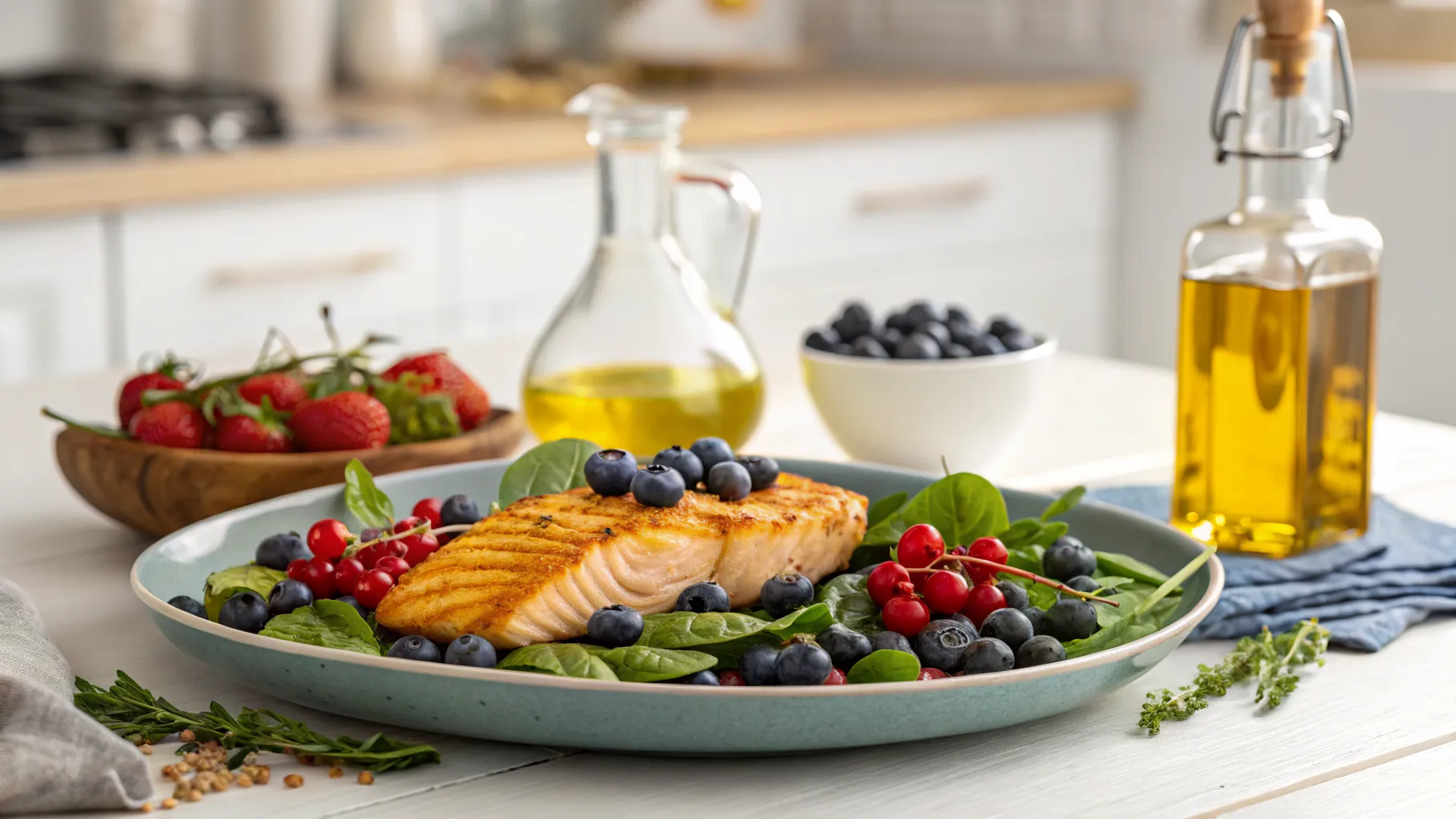
Key Anti-Inflammatory Food Groups for Psoriasis
Focusing your diet on whole, unprocessed foods is the cornerstone of an anti-inflammatory eating plan. The goal is to consistently consume nutrients that actively combat inflammation. Incorporating a variety of these foods that may help reduce inflammation in psoriasis ensures you receive a broad spectrum of vitamins, minerals, and antioxidants essential for skin health and systemic well-being. Let's explore the most impactful food groups.
Fatty Fish Rich in Omega-3s
Omega-3 fatty acids, particularly EPA and DHA, are renowned for their potent anti-inflammatory properties. They work by inhibiting the production of inflammatory compounds in the body. Fatty fish are the best dietary source of these essential fats. Aim to include options like salmon, mackerel, herring, and sardines in your diet at least twice a week. These are excellent foods that may help reduce inflammation in psoriasis and also support cardiovascular health, which is a related concern for those with psoriatic disease.
Colorful Fruits and Vegetables
Fruits and vegetables are packed with antioxidants and phytochemicals that neutralize oxidative stress, a key driver of inflammation. The more colorful your plate, the wider the range of protective compounds you're consuming. Berries (blueberries, strawberries), dark leafy greens (spinach, kale), and cruciferous vegetables (broccoli, cauliflower) are particularly beneficial. These plant-based powerhouses are fundamental foods that may help reduce inflammation in psoriasis, providing essential vitamins like A and C that are vital for skin repair and immune function.
Healthy Fats and Oils
Beyond fish, other sources of healthy fats can contribute to an anti-inflammatory diet. Extra virgin olive oil is rich in oleocanthal, a compound with anti-inflammatory effects similar to ibuprofen. Avocados, nuts (especially walnuts), and seeds (flax, chia) are also excellent choices. These foods provide monounsaturated fats and additional omega-3s, making them vital components in a diet centered around foods that may help reduce inflammation in psoriasis.
Foods to Potentially Limit or Avoid
Just as some foods can calm inflammation, others can promote it. Identifying and reducing your intake of pro-inflammatory foods is equally important for managing psoriasis. Common culprits include processed foods, which are often high in unhealthy fats, sugar, and sodium. Red meat and dairy products contain arachidonic acid, a type of fat that can be converted into inflammatory compounds in the body. For some individuals, gluten and alcohol can also act as triggers. Carefully monitoring your symptoms after consuming these items can help you identify personal triggers and refine your list of foods that may help reduce inflammation in psoriasis by knowing what to exclude.
The Mediterranean Diet: An Anti-Inflammatory Blueprint
The Mediterranean diet is often recommended for inflammatory conditions like psoriasis because it naturally emphasizes many of the beneficial food groups discussed. It is rich in fish, fruits, vegetables, whole grains, legumes, and healthy fats like olive oil, while being low in red meat and processed items. This eating pattern is not a restrictive diet but rather a lifestyle approach that provides a practical framework for consuming foods that may help reduce inflammation in psoriasis. Its focus on whole, nutrient-dense ingredients makes it an ideal, sustainable strategy for long-term health and symptom management.
The Gut-Skin Connection in Psoriasis
Emerging research highlights the critical link between gut health and skin inflammation, often called the gut-skin axis. An imbalance in gut bacteria (dysbiosis) can lead to increased intestinal permeability, or 'leaky gut,' allowing inflammatory substances to enter the bloodstream and potentially trigger psoriasis flares. Consuming probiotic-rich foods like yogurt with live cultures, kefir, and fermented vegetables, as well as prebiotic fibers from sources like garlic, onions, and bananas, can support a healthy gut microbiome. Nurturing your gut health is another proactive way to support your body when focusing on foods that may help reduce inflammation in psoriasis.
Actionable Tips for an Anti-Psoriasis Diet
Making dietary changes can feel overwhelming, but small, consistent steps can lead to significant improvements. Here are some practical tips to help you start incorporating more anti-inflammatory foods into your routine.
- Swap Red Meat for Fatty Fish: Try replacing beef or pork with salmon or mackerel in at least two meals per week to boost your omega-3 intake.
- Snack on Nuts and Berries: Instead of reaching for processed snacks, keep a supply of walnuts, almonds, and fresh berries on hand for a nutrient-dense, anti-inflammatory option.
- Cook with Olive Oil and Spices: Use extra virgin olive oil as your primary cooking fat and liberally add anti-inflammatory spices like turmeric and ginger to your dishes for extra flavor and benefits.
- Fill Half Your Plate with Vegetables: At every meal, aim to make non-starchy vegetables the largest component. This ensures a high intake of fiber and antioxidants.
- Keep a Food Diary: Track what you eat and how your skin responds. This can help you identify specific trigger foods and better understand which foods that may help reduce inflammation in psoriasis work best for you.
Frequently Asked Questions
What are the top 5 foods that may help reduce inflammation in psoriasis?
While individual responses vary, the top 5 most frequently recommended foods are fatty fish (like salmon), leafy greens (like spinach), berries (like blueberries), nuts (like walnuts), and turmeric. These items are rich in omega-3s, antioxidants, and anti-inflammatory compounds.
How long does it take to see results from changing my diet for psoriasis?
Patience is key. It can take several weeks or even a few months to notice a significant improvement in your skin after making dietary changes. The goal is to reduce systemic inflammation over time, which is a gradual process. Consistency is more important than perfection.
Can certain foods cure psoriasis completely?
Currently, there is no cure for psoriasis. However, a diet focused on foods that may help reduce inflammation in psoriasis can be a powerful complementary strategy to help manage symptoms, reduce the frequency and severity of flare-ups, and improve your overall quality of life when used alongside conventional medical treatments.
References
- National Psoriasis Foundation: Diet and Nutrition
- Journal of the American Academy of Dermatology: Dietary Recommendations for Adults with Psoriasis
- Nutrients Journal: The Role of Diet in Psoriasis
- Archives of Dermatological Research: Gut-Skin Axis and Psoriasis