
Foods to Avoid When You Have High Cholesterol: A Complete Guide
Facts:
- Diet accounts for up to 30% of blood cholesterol levels.
- Understanding food labels is a key trend for cholesterol management.
Understanding the Direct Link: How Your Diet Affects Cholesterol
Managing high cholesterol often begins in the kitchen. What you eat has a direct and significant impact on your cardiovascular health, and making informed choices is the cornerstone of a heart-healthy lifestyle. Many people are unaware of the hidden dangers in everyday foods, but understanding the dietary causes of high cholesterol is the first step toward taking control. This guide will delve into the specific foods that raise cholesterol levels, helping you navigate the grocery store with confidence and build a diet that supports, rather than sabotages, your well-being. Recognizing these items is a fundamental part of cholesterol friendly diet basics.
Saturated and Trans Fats: The Primary Culprits
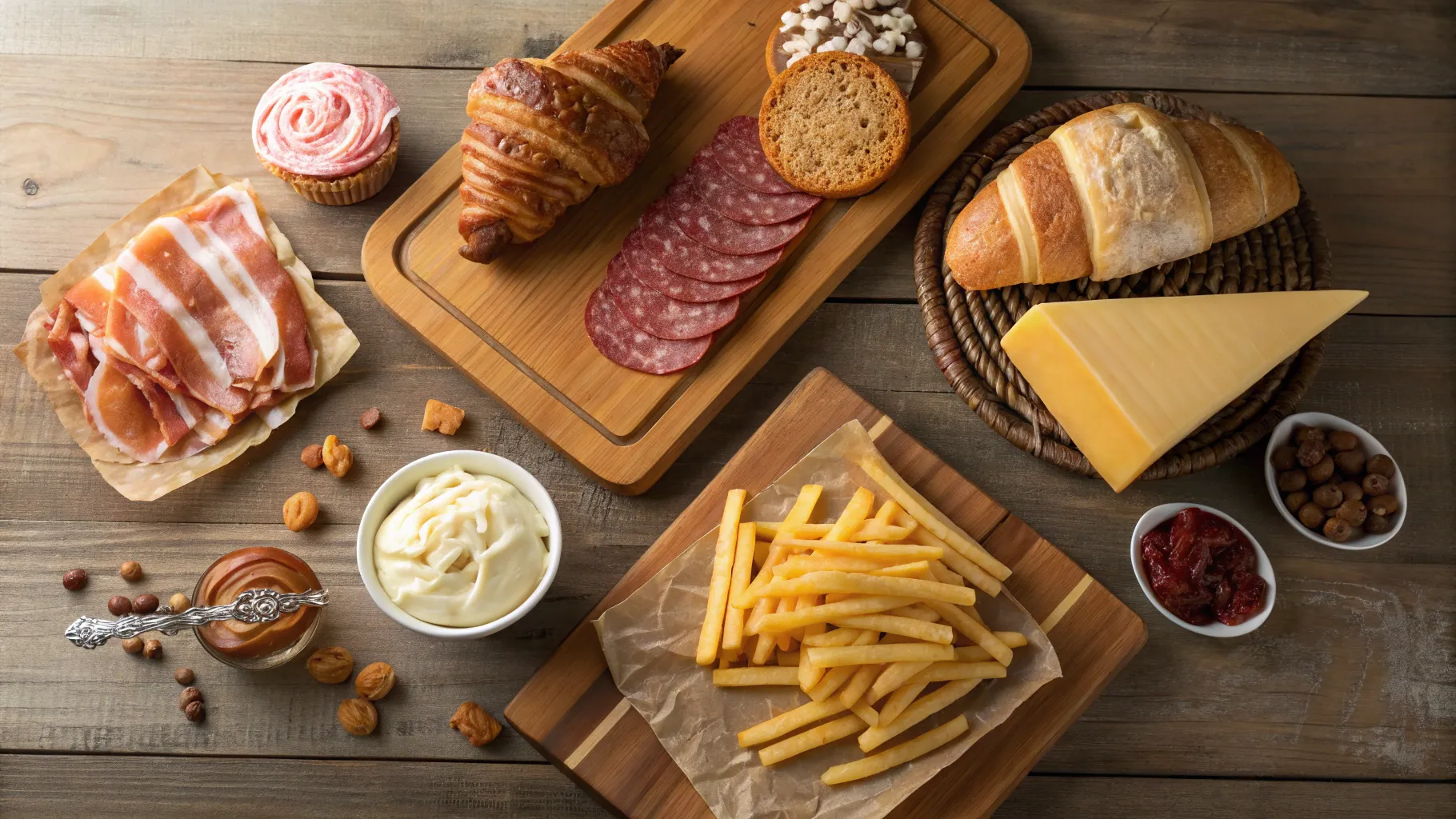
When discussing high cholesterol, two types of fats are the main antagonists: saturated and trans fats. The saturated fat and cholesterol link is well-documented; consuming high amounts of saturated fat signals your liver to produce more LDL (low-density lipoprotein), the 'bad' cholesterol that can build up in your arteries. These fats are commonly found in animal products such as fatty cuts of red meat (beef, lamb, pork), poultry with skin, and full-fat dairy products like butter, cheese, and cream. Similarly, trans fats, often found in commercially baked goods, fried foods, and margarine, are even more detrimental. They not only raise your bad LDL cholesterol but also lower your good HDL (high-density lipoprotein) cholesterol. Understanding how diet affects cholesterol means prioritizing the reduction of these two fats above all else.
A Closer Look at Specific Foods That Raise Cholesterol Levels
While the general categories of fat are important, knowing the specific foods to limit or eliminate is crucial for practical application. Many of these items are staples in modern diets, making awareness one of the most common cholesterol diet mistakes to overcome. By identifying these specific foods that raise cholesterol levels, you can make smarter substitutions.
Processed Meats
Items like sausages, bacon, hot dogs, and deli meats are notoriously high in saturated fat and sodium. Their production process often involves adding preservatives and fats that are detrimental to heart health. Regularly consuming these products is a significant contributor to the dietary causes of high cholesterol and should be heavily restricted.
Full-Fat Dairy Products
Whole milk, butter, full-fat yogurt, and cheese are major sources of saturated fat. While dairy can be part of a healthy diet, opting for low-fat or fat-free versions is a key component of cholesterol friendly diet basics. For example, switch from butter to a soft tub margarine made with vegetable oils or use olive oil for cooking.
Fried and Fast Foods
The deep-frying process, especially in commercial settings where oil is reused, creates high levels of trans fats. French fries, fried chicken, onion rings, and similar fast-food items are packed with calories, unhealthy fats, and sodium, which all negatively impact your cholesterol profile and overall cardiovascular health.
Commercial Baked Goods and Sweets
Cookies, cakes, donuts, and pastries are often made with butter, shortening, or palm oil, all of which are high in saturated fat. Furthermore, they are high in sugar, which can lead to higher triglycerides, another type of fat in your blood that contributes to artery plaque. This is a crucial detail when learning how diet affects cholesterol.
Common Cholesterol Diet Mistakes to Actively Avoid
Successfully managing cholesterol through diet isn't just about avoiding bad foods; it's also about avoiding common pitfalls. Many well-intentioned individuals make errors that stall their progress. One of the most common cholesterol diet mistakes is focusing only on dietary cholesterol (found in foods like shrimp and eggs) while ignoring saturated and trans fats, which have a much larger impact on blood cholesterol levels. Another mistake is adopting an 'all or nothing' approach, which can be unsustainable. Instead of drastic eliminations, a gradual transition to healthier eating habits is more effective. Lastly, many people fail to read nutrition labels, missing hidden saturated fats and sugars in products marketed as 'healthy' or 'low-fat'.
Actionable Advice: Building a Cholesterol-Friendly Plate
Improving your cholesterol levels involves a proactive approach focused on adding heart-healthy foods to your diet, not just removing the unhealthy ones. Adhering to these cholesterol friendly diet basics can have a profound impact. This strategic addition helps crowd out the less healthy options and provides your body with the nutrients it needs to manage cholesterol effectively.
- Increase Soluble Fiber: Foods like oats, barley, apples, beans, and brussels sprouts contain soluble fiber, which can bind to cholesterol in your digestive system and remove it from the body. Starting your day with a bowl of oatmeal is a fantastic habit.
- Choose Lean Proteins: Swap fatty meats for skinless poultry, fish, legumes, and tofu. Fatty fish like salmon and mackerel are particularly beneficial as they are high in omega-3 fatty acids, which can lower triglycerides.
- Embrace Healthy Fats: Not all fats are bad. Monounsaturated and polyunsaturated fats, found in avocados, nuts, seeds, and olive oil, can help lower bad LDL cholesterol and raise good HDL cholesterol. Understanding this difference is key to knowing how diet affects cholesterol.
- Fill Up on Fruits and Vegetables: Rich in antioxidants and fiber, a diet abundant in colorful fruits and vegetables supports overall heart health and helps manage weight, which is another factor in cholesterol control.
Frequently Asked Questions
How quickly can diet changes lower cholesterol?
The impact of dietary changes on cholesterol can be seen relatively quickly, sometimes within a few weeks to a few months. The extent and speed of the change depend on the individual's starting cholesterol levels, genetic factors, and the consistency of the dietary adjustments. A key part of cholesterol friendly diet basics is consistency over time for lasting results.
What are the worst dietary causes of high cholesterol?
The most significant dietary causes of high cholesterol are consuming foods high in trans fats and saturated fats. Trans fats, found in many fried and processed foods, are the worst culprits because they raise bad LDL and lower good HDL. The strong saturated fat and cholesterol link means that diets rich in red meat, butter, and full-fat cheese also significantly elevate LDL levels.
Are there any common cholesterol diet mistakes people frequently make?
Yes, one of the most common cholesterol diet mistakes is overlooking hidden fats and sugars in processed foods, even those labeled 'low-cholesterol.' Another error is completely eliminating all fats, including healthy ones found in nuts and avocados, which are beneficial for heart health. A balanced approach is crucial to avoid these pitfalls.
References
- National Heart, Lung, and Blood Institute (NHLBI) guidelines on cholesterol management.
- American Heart Association (AHA) recommendations for dietary fat intake.
- Clinical studies on the effects of saturated fats versus unsaturated fats on blood lipids.
- Dietary Guidelines for Americans on managing cardiovascular disease risk factors.