
Full Body MRI Scan Cost in 2025: A Comprehensive Pricing Guide
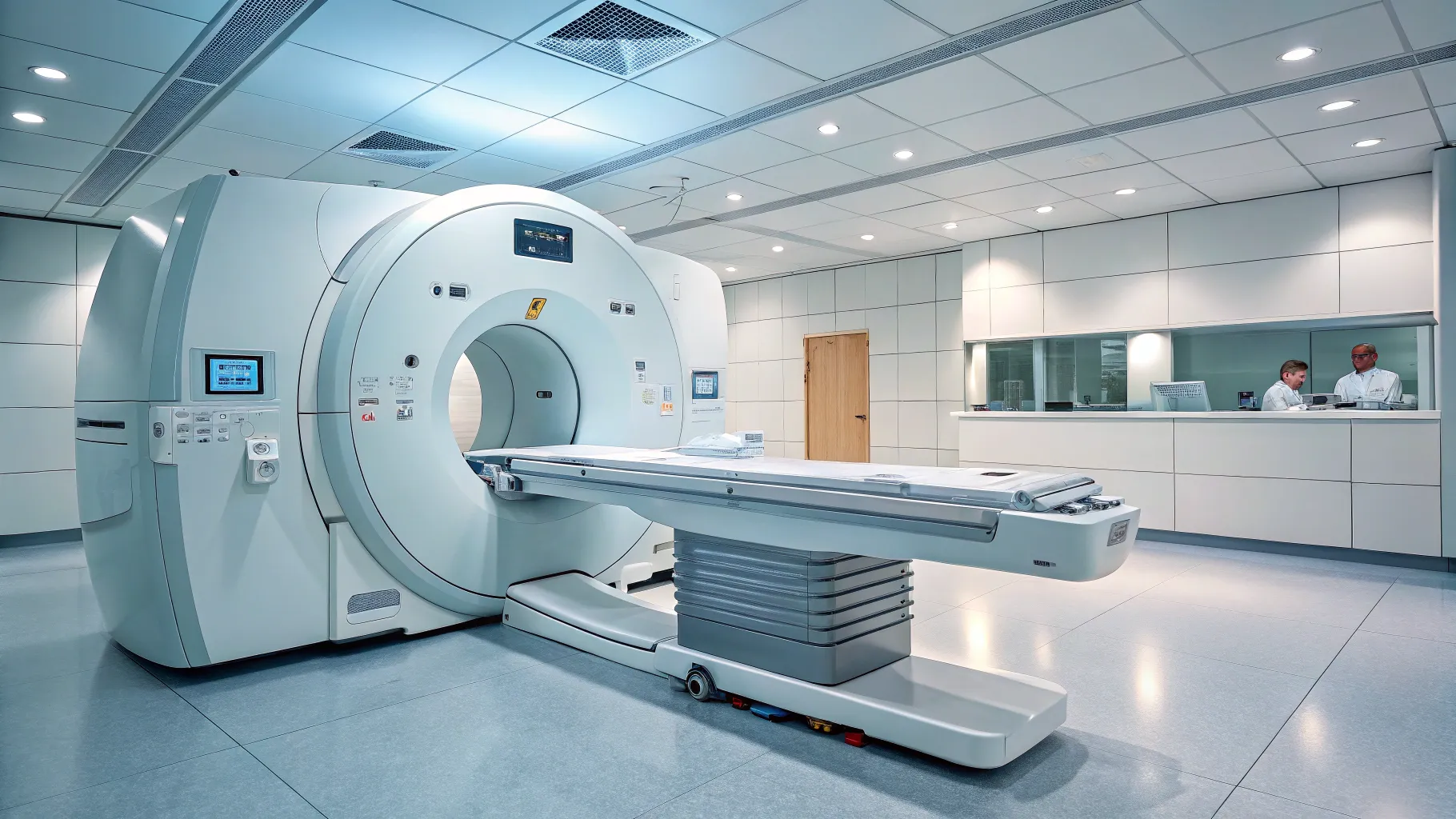
As we navigate health and wellness in December 2025, preventative screenings like full-body MRI scans are gaining popularity. These comprehensive scans offer a detailed look inside your body, potentially detecting issues before symptoms arise. However, a primary question for many is the cost. This guide breaks down everything you need to know about the financial aspects of this advanced diagnostic tool.
Understanding the Average Pricing for a Full Body MRI
The cost of a full-body MRI can vary significantly. As of late 2025, the average pricing for a full body MRI typically ranges from $1,500 to $5,000 out-of-pocket. This price usually covers the scan itself, the use of the facility and equipment, and the radiologist's fee for interpreting the images. It's important to remember this is an estimate, and the final price can be influenced by several factors.
What Affects Scan Cost?
Understanding the variables that influence the final bill is crucial. Several key elements determine the price you'll pay for a full-body MRI scan. Here’s a breakdown of what affects scan cost:
- Geographic Location: Costs can be substantially higher in major metropolitan areas compared to smaller towns due to differences in overhead and market demand.
- Type of Facility: Hospital-based imaging centers are often more expensive than standalone, independent diagnostic clinics.
- Technology and Machine Strength: Scans performed on newer, higher-tesla (e.g., 3T) MRI machines may cost more than those on older, 1.5T machines.
- Radiologist Fees: The experience and specialty of the radiologist who reads your scan can also impact the overall price.
So, What the Scan Includes Exactly?
When you invest in a full-body MRI, you're paying for a comprehensive, non-invasive screening. Generally, what the scan includes is a head-to-toe examination of your major organs, blood vessels, bones, and soft tissues. It is designed to provide a baseline of your health and can help in the early detection of abnormalities such as tumors, inflammation, or vascular issues. It is not typically used for detailed diagnostics of a specific, known problem but rather as a wide-ranging preventative overview.
Important Insurance Considerations
Navigating health insurance can be complex, and it's a critical factor when planning for a scan. The most important of the insurance considerations is that most insurance providers in 2025 classify elective full-body MRI scans as a preventative screening rather than a medically necessary procedure. Consequently, they are often not covered. It is essential to contact your insurance company directly to verify your coverage. If the scan is ordered by a doctor to diagnose a specific condition, there is a higher chance it may be partially or fully covered.
Meeting the Preparation Requirements
To ensure the highest quality images and a smooth procedure, following the preparation requirements is essential. While specific instructions may vary by facility, common preparations include:
- Fasting: You may be asked not to eat or drink for several hours before your scan.
- Removing Metal: You will need to remove all metal objects, including jewelry, piercings, hearing aids, and watches, as the MRI machine uses powerful magnets.
- Informing Technicians: It is crucial to inform the imaging staff about any medical implants you have, such as pacemakers, cochlear implants, or metal plates, as these can be affected by the MRI.
- Clothing: You will likely be asked to change into a hospital gown to avoid any interference from metal zippers or buttons on your clothing.
References:
https://www.acr.org/quality-safety/accreditation/mri
https://www.radiologyinfo.org/en/info/bodymr
https://www.forbes.com/health/medical-imaging/full-body-mri-scan/