Gallstones Early Symptoms: Don't Ignore These Warning Signs
Facts:
- Gallstones affect up to 15% of the adult population.
- Knowing the signs is crucial to recognize early symptoms of gallstones.
What Are the Telltale Gallstones Early Symptoms?
Gallstones, which are hardened deposits of digestive fluid that can form in your gallbladder, often remain silent for years. However, when a gallstone lodges in a duct and causes a blockage, the resulting symptoms can be sudden and intensely painful. It is critically important to understand and recognize early symptoms of gallstones to seek timely medical care and prevent serious complications. Many people mistake these initial signals for simple indigestion or muscle strain, but ignoring them can lead to inflammation, infection, or other severe issues. Learning about the specific types of pain, their location, and accompanying signs is the first step in managing your health proactively. These gallstones early symptoms are your body's way of signaling that something is wrong with your gallbladder.
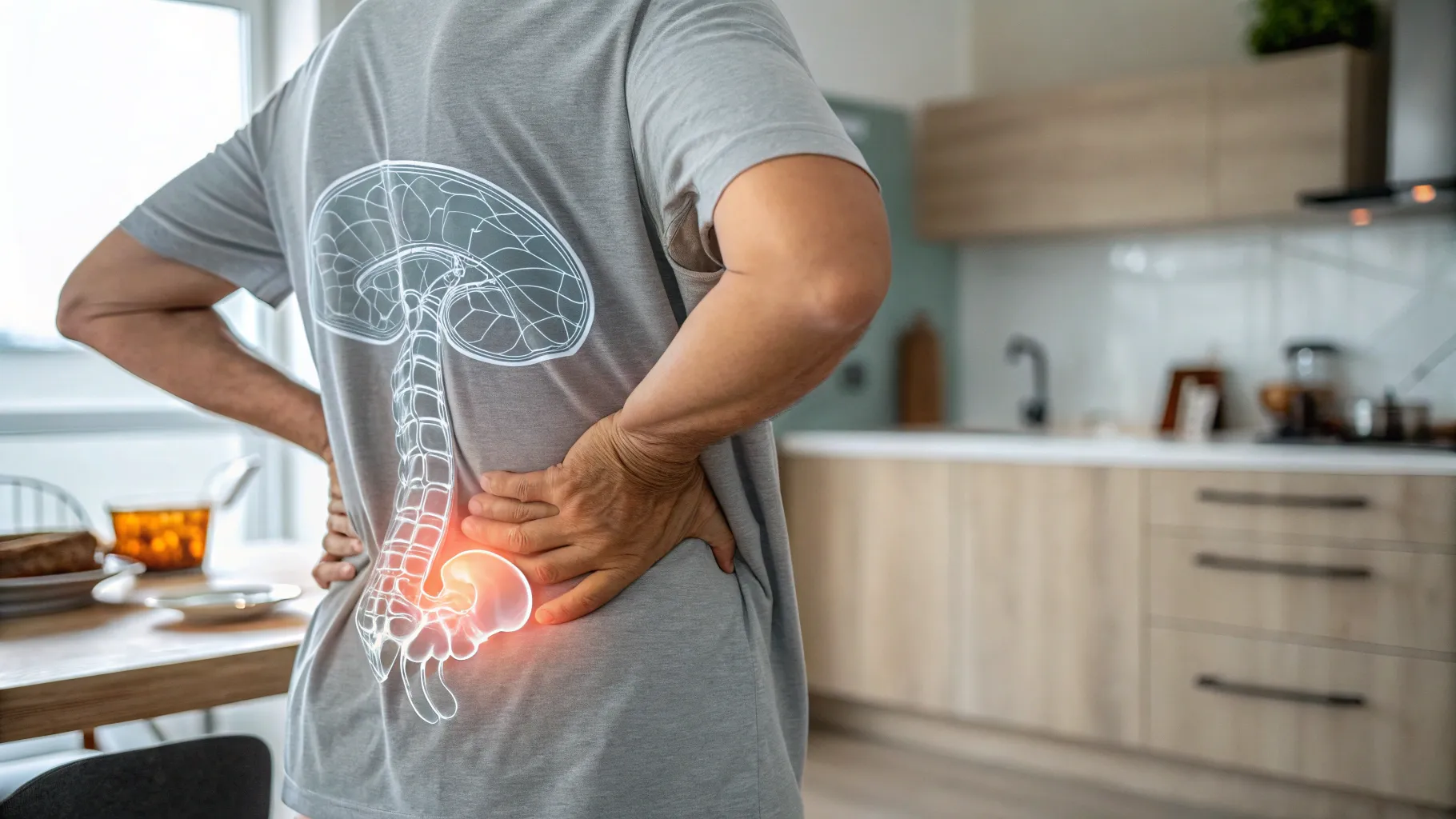
The Most Common Early Warning Signs of Gallstones
When symptoms do appear, they are often unmistakable, though they can vary in intensity. The ability to recognize early symptoms of gallstones depends on paying close attention to these specific signals. The most classic symptom is a gallbladder attack, also known as biliary colic.
Sudden and Intense Pain in the Upper Right Abdomen
This is the hallmark of gallstones early symptoms. The pain often begins abruptly, can last from a few minutes to several hours, and is typically severe and constant. It's often felt in the upper right quadrant of the abdomen, just below the rib cage. The pain may also radiate to other areas.
Pain in the Center of Your Abdomen or Below the Breastbone
Sometimes, the pain is not localized to the right side. You might feel a sharp, cramping, or dull pain directly in the center of your abdomen, just below your sternum. This location often causes people to mistake gallstone pain for heartburn or other stomach issues, delaying their effort to recognize early symptoms of gallstones.
Back Pain Between the Shoulder Blades
A very common referred pain pattern for gallbladder issues is discomfort between the shoulder blades. This happens because the nerves that sense pain from the gallbladder also connect to this area of the back. This symptom can occur with or without abdominal pain.
Pain in Your Right Shoulder
Similar to the back pain, nerve pathways can cause you to feel pain in your right shoulder. It's a confusing symptom but a critical clue for those trying to recognize early symptoms of gallstones.
Nausea or Vomiting
Intense abdominal pain from a gallbladder attack is frequently accompanied by nausea and may lead to vomiting. These symptoms are a direct result of the blockage and the body's reaction to the intense pain.
When Do These Symptoms Typically Occur?
Understanding the triggers is key to learning how to recognize early symptoms of gallstones. Symptoms often appear after a heavy or fatty meal. This is because consuming fats and oils stimulates the gallbladder to contract and release bile to aid in digestion. If a gallstone is present and blocks a bile duct during this contraction, it can trigger the intense pain of a gallbladder attack. Symptoms frequently occur in the evening or during the night, sometimes waking a person from sleep. Keeping a food and symptom diary can be an effective way to identify patterns and confirm if your discomfort is related to meals, a vital step to recognize early symptoms of gallstones and discuss them with your doctor.
Less Common Symptoms You Shouldn't Ignore
While pain is the primary indicator, there are other, more serious gallstones early symptoms that can develop, often indicating a complication like an infection (cholecystitis) or inflammation of the bile duct (cholangitis). These red-flag symptoms require immediate medical attention. They include a persistent fever or chills, a noticeable yellowing of your skin or the whites of your eyes (jaundice), and unusually dark urine or light-colored, clay-like stools. These signs suggest that a bile duct is completely blocked, which can lead to severe health problems if not treated promptly. Do not dismiss these as unrelated issues; they are advanced indicators that began as simple gallstones early symptoms.
Actionable Steps: What to Do If You Recognize These Symptoms
If you believe you are experiencing gallstones early symptoms, taking proactive steps is crucial. Ignoring the signs can lead to worsening pain and severe complications. Here is what you should do:
- Document Your Symptoms: Keep a detailed log of your symptoms. Note the location and type of pain, its duration, its intensity on a scale of 1-10, and what you were doing or eating before it started. This information is invaluable for your doctor.
- Consult a Healthcare Professional: Do not self-diagnose. Schedule an appointment with your doctor or a gastroenterologist as soon as possible. Be prepared to share your symptom log. Early diagnosis is essential.
- Seek Immediate Medical Care for Severe Symptoms: If your pain is excruciating and lasts for more than a few hours, or if you develop a fever, chills, or jaundice, go to an emergency room. These could be signs of a serious infection or complication.
- Prepare for Diagnostic Tests: Your doctor will likely order tests to confirm a diagnosis. The most common is an abdominal ultrasound, a non-invasive procedure that can easily detect gallstones. Other tests might include a CT scan or blood tests to check for signs of infection or inflammation.
Frequently Asked Questions
Can you have gallstones early symptoms without pain?
Yes, many people have 'silent' gallstones and experience no symptoms at all. However, when we refer to gallstones early symptoms, we are typically talking about the first onset of noticeable signs, which almost always involves some form of pain or discomfort, even if it's mild initially.
How quickly should I see a doctor if I recognize early symptoms of gallstones?
You should schedule a non-urgent appointment with your doctor as soon as you recognize early symptoms of gallstones, such as recurring pain after meals. If you experience severe, unrelenting pain for several hours, fever, or jaundice, you should seek immediate emergency medical care.
Are gallstones early symptoms different for men and women?
The primary symptoms, like upper right abdominal pain, are the same for all genders. However, women are two to three times more likely to develop gallstones than men, particularly those who have been pregnant, use hormonal birth control, or are undergoing hormone replacement therapy. Some women report more subtle symptoms like bloating and chronic indigestion before a major attack.
References
- National Institute of Diabetes and Digestive and Kidney Diseases (NIDDK)
- American College of Gastroenterology
- Mayo Clinic Patient Care & Health Information
- Cleveland Clinic Health Library