GERD Early Symptoms: How to Recognize the First Signs of Acid Reflux
Facts:
- Over 20% of the US population experiences GERD symptoms.
- Learning to recognize early symptoms of gerd is a key trend for proactive health management.
Understanding the First Alarms: How to Recognize Early Symptoms of GERD
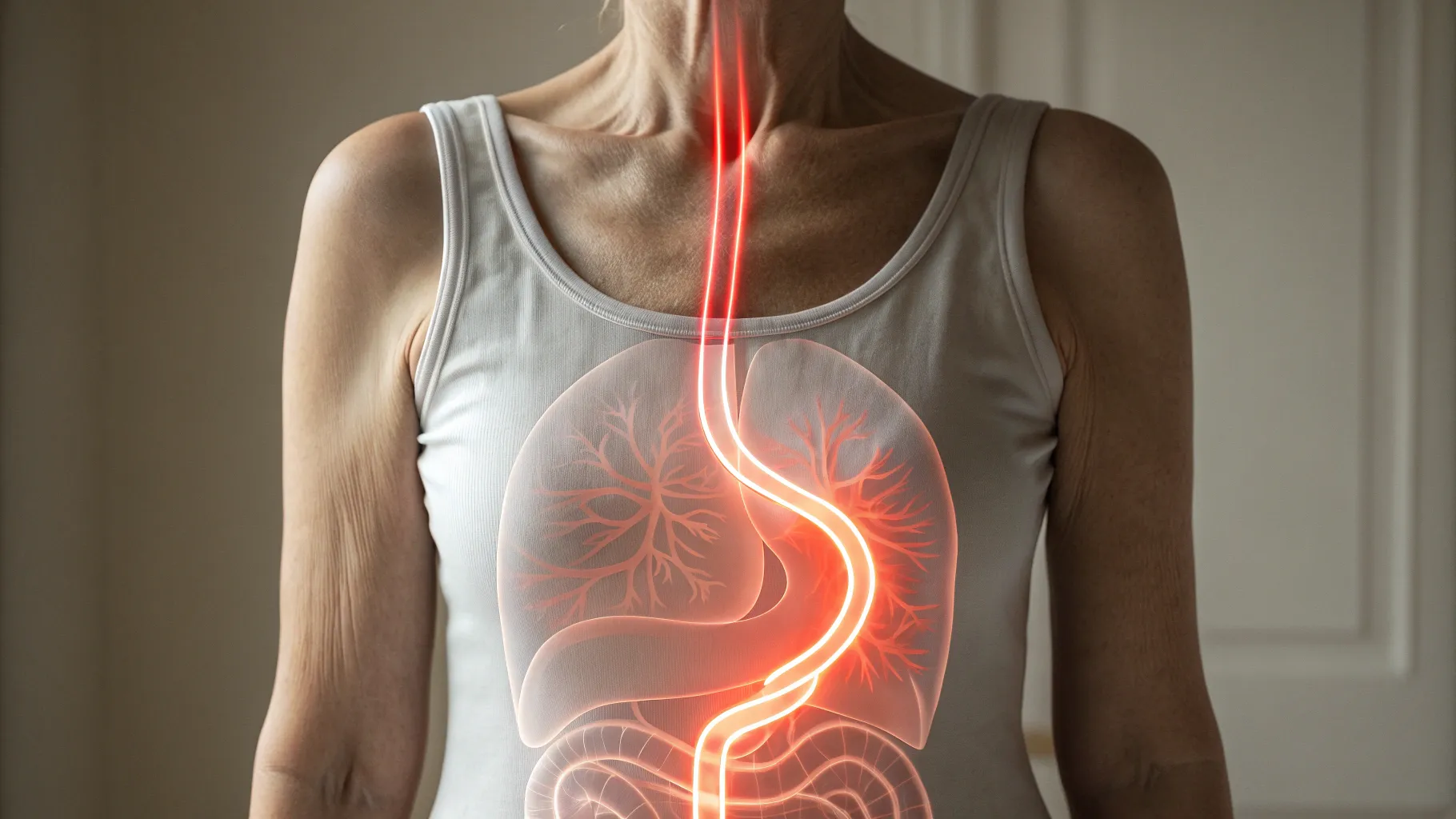
Gastroesophageal Reflux Disease, commonly known as GERD, is a chronic digestive condition where stomach acid frequently flows back into the tube connecting your mouth and stomach (esophagus). This backwash, or acid reflux, can irritate the lining of your esophagus. While occasional heartburn is common, persistent symptoms may indicate a more serious issue. Being able to recognize early symptoms of gerd is crucial for seeking timely medical advice and preventing potential long-term complications, such as damage to the esophagus. Many people dismiss the initial signs, but understanding these gerd early symptoms is the first and most important step toward effective management and relief.
The Most Common GERD Early Symptoms You Shouldn't Ignore
The initial presentation of GERD can vary from person to person, but there are several hallmark signs that should raise a red flag. These are not just minor discomforts; they are signals from your body that the normal barrier between the stomach and esophagus is not functioning correctly. Paying close attention to these common gerd early symptoms can make a significant difference in your long-term digestive health. Ignoring them can allow the condition to progress, leading to more severe health issues.
Persistent Heartburn
Heartburn is the most recognized symptom of acid reflux. It's a burning pain in your chest, just behind your breastbone, that often occurs after eating, in the evening, or when lying down or bending over. While occasional heartburn isn't a cause for alarm, experiencing it two or more times a week is a strong indicator of GERD. This is a primary sign when learning to recognize early symptoms of gerd.
Regurgitation and Sour Taste
Another classic sign is regurgitation—the sensation of stomach acid or food backing up into your throat or mouth. This can produce a sour or bitter taste and is often accompanied by wet burps. This symptom can be particularly distressing and is a clear signal that stomach contents are escaping upwards, a key one of the gerd early symptoms.
Dysphagia: Difficulty Swallowing
As GERD progresses, chronic inflammation from stomach acid can cause the esophagus to narrow, a condition known as an esophageal stricture. This can lead to dysphagia, the sensation that food is stuck in your throat. This is a more serious symptom that requires immediate medical attention and is a critical warning sign to recognize early symptoms of gerd before they escalate.
Subtle Clues: Less Obvious Indicators of GERD
Not all gerd early symptoms are related to digestion. The condition can manifest in ways that might seem unrelated, making it difficult for some people to connect the dots. It's important to be aware of these atypical symptoms, as they are often overlooked. Being able to recognize early symptoms of gerd in all their forms is key to a correct diagnosis.
Chronic Cough or Hoarseness
If you have a persistent dry cough, asthma-like symptoms, or find your voice is frequently hoarse, especially in the morning, it could be due to stomach acid irritating your throat and vocal cords while you sleep. This is often referred to as laryngopharyngeal reflux (LPR) or silent reflux, a variant of GERD.
Non-Cardiac Chest Pain
Chest pain associated with GERD can be so severe that it is often mistaken for a heart attack. The pain is typically centered behind the breastbone and can radiate to the back, neck, or arms. While any chest pain warrants an emergency evaluation, if heart disease is ruled out, GERD is a very likely culprit.
Sensation of a Lump in the Throat (Globus Sensation)
This is a bothersome symptom where you constantly feel like you have a lump or something stuck in your throat, even when you don't. This sensation is caused by muscle spasms in the esophagus triggered by acid irritation, a subtle but important part of the spectrum of gerd early symptoms.
Actionable Steps for Managing Early GERD Symptoms
Once you recognize early symptoms of gerd, you can take proactive steps to manage them. Lifestyle and dietary modifications are often the first line of defense and can be highly effective in reducing the frequency and severity of acid reflux. Making these changes can provide significant relief and may prevent the need for medication.
- Dietary Adjustments: Avoid common trigger foods and beverages such as fatty or fried foods, tomato sauce, alcohol, chocolate, mint, garlic, onion, and caffeine. Eating smaller, more frequent meals instead of large ones can also help.
- Lifestyle Changes: Do not lie down for at least three hours after eating. Elevate the head of your bed by six to eight inches to help gravity keep stomach acid down. Maintain a healthy weight, as excess pounds put pressure on your abdomen.
- Stop Smoking: Nicotine is known to relax the lower esophageal sphincter, the muscle that acts as a valve between the esophagus and stomach, making it easier for acid to reflux.
- Consult a Doctor: If your symptoms persist despite these changes, it's essential to see a healthcare provider. They can confirm the diagnosis and discuss other treatment options, such as over-the-counter or prescription medications.
Frequently Asked Questions
Can stress cause GERD early symptoms?
While stress doesn't directly cause GERD, it can worsen symptoms. High levels of stress can increase acid production and make you more sensitive to the effects of acid in the esophagus. Managing stress is an important part of a comprehensive plan to control gerd early symptoms.
How quickly can I get relief after I recognize early symptoms of gerd?
Relief can vary. Simple lifestyle and dietary changes can provide relief within a few days or weeks for some people. For others, medication may be needed for more immediate and consistent control over the gerd early symptoms.
Is it possible for GERD symptoms to go away on their own?
Mild, infrequent symptoms of acid reflux might resolve with temporary lifestyle changes. However, GERD is a chronic condition. If you truly have GERD, the underlying issue with the esophageal sphincter will persist, and symptoms are likely to return without ongoing management.
References
- American Gastroenterological Association: Understanding GERD
- National Institute of Diabetes and Digestive and Kidney Diseases (NIDDK): Acid Reflux (GER & GERD) in Adults
- Mayo Clinic: Gastroesophageal reflux disease (GERD) - Symptoms and causes
- Johns Hopkins Medicine: GERD Symptoms