
Gout Early Symptoms: How to Recognize the First Signs of an Attack
Facts:
- Gout affects over 9 million adults in the United States alone.
- Learning to recognize early symptoms of gout is crucial for effective management.
The First Warning Signs: Unmistakable Gout Early Symptoms
Gout is a form of inflammatory arthritis characterized by sudden, severe attacks of pain, swelling, redness, and tenderness in the joints, often at the base of the big toe. The root cause is hyperuricemia, a condition where there is too much uric acid in the blood, leading to the formation of sharp, needle-like urate crystals in and around the joints. It is absolutely critical to recognize early symptoms of gout to prevent long-term joint damage and manage the condition effectively. Understanding these initial signals allows for prompt medical intervention, which can significantly reduce the duration and severity of an attack. Many people mistake the first signs for a sprain or other minor injury, but the intensity of the pain is a key differentiator for gout early symptoms.
Sudden and Intense Joint Pain: The Hallmark Symptom
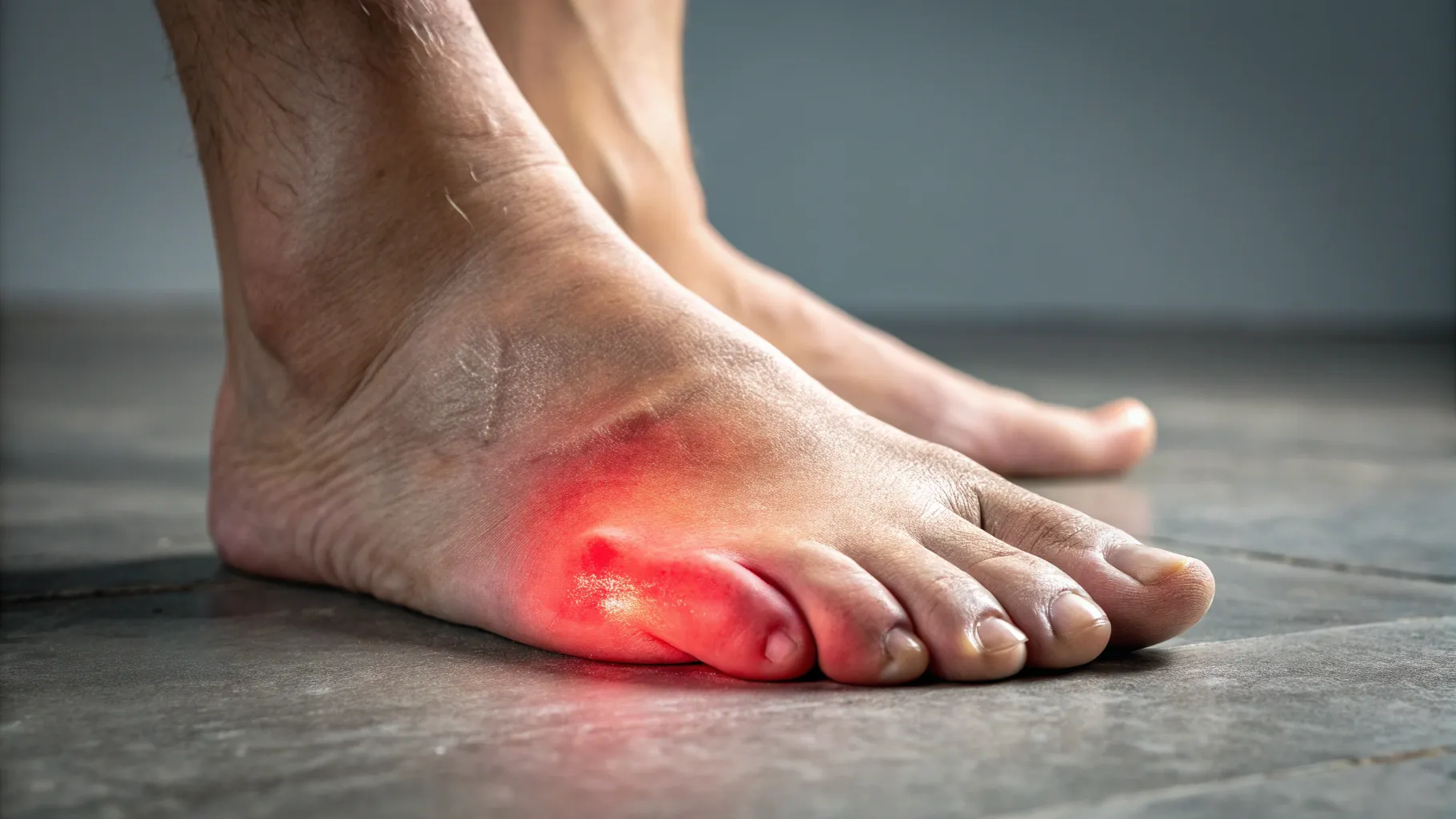
The most defining of all gout early symptoms is the abrupt onset of excruciating pain in a single joint. This is not a dull ache that gradually worsens; it's often described as a sudden, crushing, or burning sensation that can awaken a person from sleep. The pain typically peaks within the first 4 to 12 hours of the attack's beginning. The affected joint becomes so sensitive that even the weight of a bedsheet can feel unbearable. While it commonly affects the big toe (a condition known as podagra), these early attacks can also occur in other joints such as the ankles, knees, elbows, wrists, and fingers. Being able to recognize early symptoms of gout, particularly this unique pain profile, is essential for seeking a proper diagnosis and not dismissing it as a simple injury.
Visible Signs: Swelling, Redness, and Warmth
Alongside the intense pain, the affected joint will exhibit clear signs of severe inflammation. These are critical visual cues when you are trying to recognize early symptoms of gout. The joint will likely become very swollen, appearing puffy and much larger than its counterpart. The skin over the joint may turn a deep red or purplish color, similar to a skin infection or cellulitis. Furthermore, the area will feel hot to the touch. This combination of swelling, redness, and warmth is a direct result of the body's inflammatory response to the urate crystals that have accumulated in the joint space. These visible gout early symptoms should never be ignored and warrant immediate medical consultation.
Limited Range of Motion
As the inflammation and swelling from a gout attack take hold, you will notice a significant decrease in the affected joint's range of motion. The pain and swelling make it difficult, if not impossible, to move the joint normally. For instance, if the attack is in the big toe, walking becomes extremely painful. If it's in the knee, bending the leg will be a challenge. This stiffness is a key component of the overall picture of gout early symptoms. Even after the most intense pain subsides, some stiffness and discomfort can linger for days or even weeks, serving as a reminder of the underlying condition that needs to be managed.
Lingering Discomfort After the Attack
After the most severe pain of a gout attack subsides, a period of lingering discomfort often follows. This can last from a few days to several weeks. While not as debilitating as the peak of the attack, this discomfort is an important part of the cycle of gout early symptoms. The joint may remain tender, slightly swollen, and 'not quite right'. It's a mistake to think that once the worst pain is over, the problem has resolved itself. This lingering phase is a clear signal that the underlying issue of high uric acid levels persists and requires a long-term management strategy to prevent future, potentially more severe, attacks.
Actionable Steps When You Recognize Early Symptoms of Gout
If you believe you are experiencing the first signs of a gout attack, taking swift action can help manage the pain and inflammation. Here are some immediate steps you can take while you arrange to see a doctor:
- Contact Your Doctor: This is the most important step. A proper diagnosis is crucial. Your doctor can prescribe medications like NSAIDs, colchicine, or corticosteroids to control the attack.
- Rest and Elevate the Joint: Avoid putting any weight or strain on the affected joint. Elevating it above the level of your heart can help reduce swelling.
- Apply Ice: Gently apply a cloth-covered ice pack to the joint for 20-30 minutes several times a day. This can help numb the pain and reduce inflammation.
- Stay Hydrated: Drinking plenty of water can help your kidneys flush out uric acid. Avoid sugary drinks and alcohol, as they can worsen the condition.
Frequently Asked Questions
What are the very first gout early symptoms?
The most common initial symptom is a sudden and severe attack of pain, redness, warmth, and swelling in a single joint, most frequently the big toe. Many people report waking up in the middle of the night with an intense, burning sensation in the joint.
How can I be sure I recognize early symptoms of gout and not something else?
The key differentiator for gout early symptoms is the speed of onset and the intensity of the pain. Conditions like osteoarthritis develop gradually, while a gout attack is sudden and excruciating, peaking within hours. A definitive diagnosis from a healthcare provider, possibly by analyzing joint fluid, is the only way to be certain.
Can gout early symptoms appear in joints other than the big toe?
Yes. While the big toe is the most common site for a first attack, gout can also affect other joints. The instep, ankles, heels, knees, wrists, fingers, and elbows are also common locations for the initial gout early symptoms to manifest.
References
- Gout: An Overview - National Institute of Arthritis and Musculoskeletal and Skin Diseases
- Gout Symptoms and Causes - Mayo Clinic
- Uric Acid and Gout - Arthritis Foundation
- Clinical Practice Guideline for the Management of Gout - American College of Rheumatology