
The Ultimate Guide to Maintaining Comfort During Long Winter Nights
Fast Facts:
- Improved Sleep: A warm, cozy environment can significantly enhance sleep quality.
- A 2025 trend for homeowners is investing in smart thermostats for optimal evening warmth.
Key Information & Options
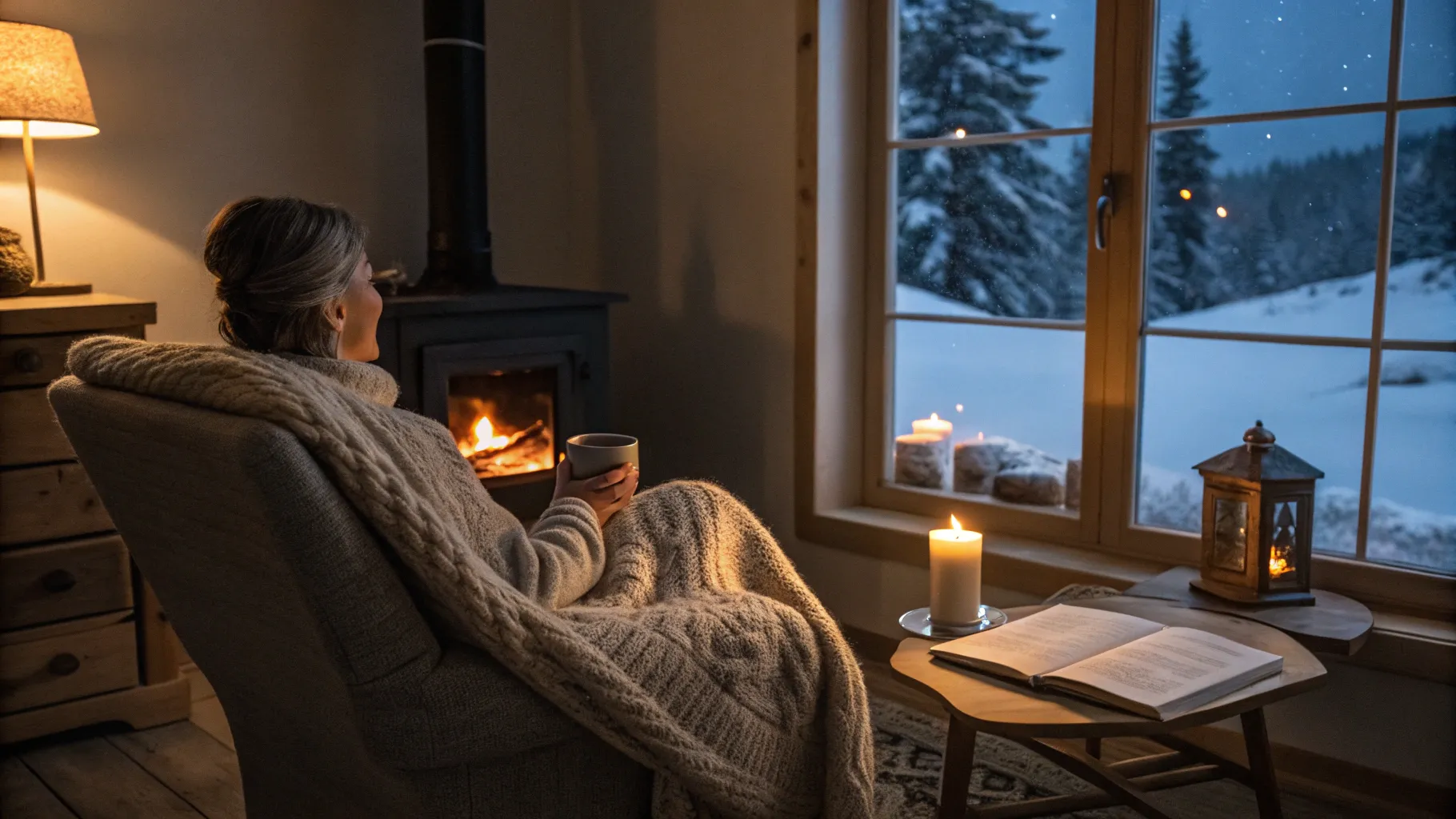
As winter nights stretch longer, creating a sanctuary of warmth and comfort in your home becomes essential. This guide offers a range of cozy home strategies to help you combat the cold and embrace the season. From simple adjustments to your daily habits to thoughtful additions to your living space, these suggestions will transform your evenings into a period of restful rejuvenation.
Key Benefits
- Enhanced Well-being: Creating a comfortable space helps reduce stress and improve mental health during the darker months.
- Better Sleep Quality: A consistent and warm environment promotes deeper, more restorative sleep.
- Energy Savings: Smartly applying these evening warmth ideas can lead to more efficient heating and lower utility bills.
- Increased Productivity: A comfortable home environment can boost focus and motivation for evening tasks or hobbies.
Comparing Comfort Methods
When it comes to staying warm, you have several options. Electric blankets provide consistent, direct heat but consume electricity, whereas traditional down comforters or wool blankets offer excellent insulation without ongoing costs. Similarly, while central heating warms the entire house, using a small, energy-efficient space heater in the room you're in can be more economical. For ambiance, LED candles provide a safe, cozy glow compared to real flames, which require supervision but offer authentic warmth and scent. Your choice depends on balancing cost, convenience, and desired atmosphere.
Essential Checklist for Winter Night Comfort
- Layer Your Bedding: Use layers like flannel sheets, a duvet, and a thick quilt or comforter to trap heat effectively.
- Invest in Warm Loungewear: Fleece-lined leggings, wool socks, and a plush robe are essential for seasonal home relaxation.
- Optimize Your Lighting: Use warm-toned light bulbs (2700K) and dimmer switches to create a soft, inviting atmosphere.
- Seal Drafts: Check windows and doors for air leaks. Use draft stoppers to prevent cold air from entering.
- Prepare Warm Beverages: Stock up on herbal teas, hot cocoa, or spiced cider for a comforting internal warm-up. These are classic winter night comfort tips.
Frequently Asked Questions
What is the best temperature for sleeping during winter?
Most sleep experts recommend a bedroom temperature between 60 and 67 degrees Fahrenheit (15.6 to 19.4 degrees Celsius). Your body's temperature naturally drops to initiate sleep, and a cool room aids this process.
How can I make my home feel cozy without raising the heat?
Focus on textures and lighting. Incorporate plush throws, soft rugs, and velvet cushions. Use warm, dimmable lighting and candles (safely) to create a sense of warmth. These visual cues are key to effective cold night routine suggestions.
Are humidifiers helpful during winter?
Absolutely. Winter air is often very dry, which can irritate your skin and respiratory system. A humidifier adds moisture back into the air, making your home feel more comfortable and warmer at lower temperatures.
References
- The Sleep Foundation - 'The Best Temperature for Sleep'
- U.S. Department of Energy - 'Energy Saver Guide'
- Journal of Environmental Psychology - 'The Impact of Home Ambiance on Well-being'