
A Complete Guide to Preparing Homes for Cold Nights
Fast Facts:
- Energy Savings: Proper winterizing can save up to 20% on heating costs.
- A key trend for homeowners is adopting smart thermostats for efficient heating.
Key Information & Options
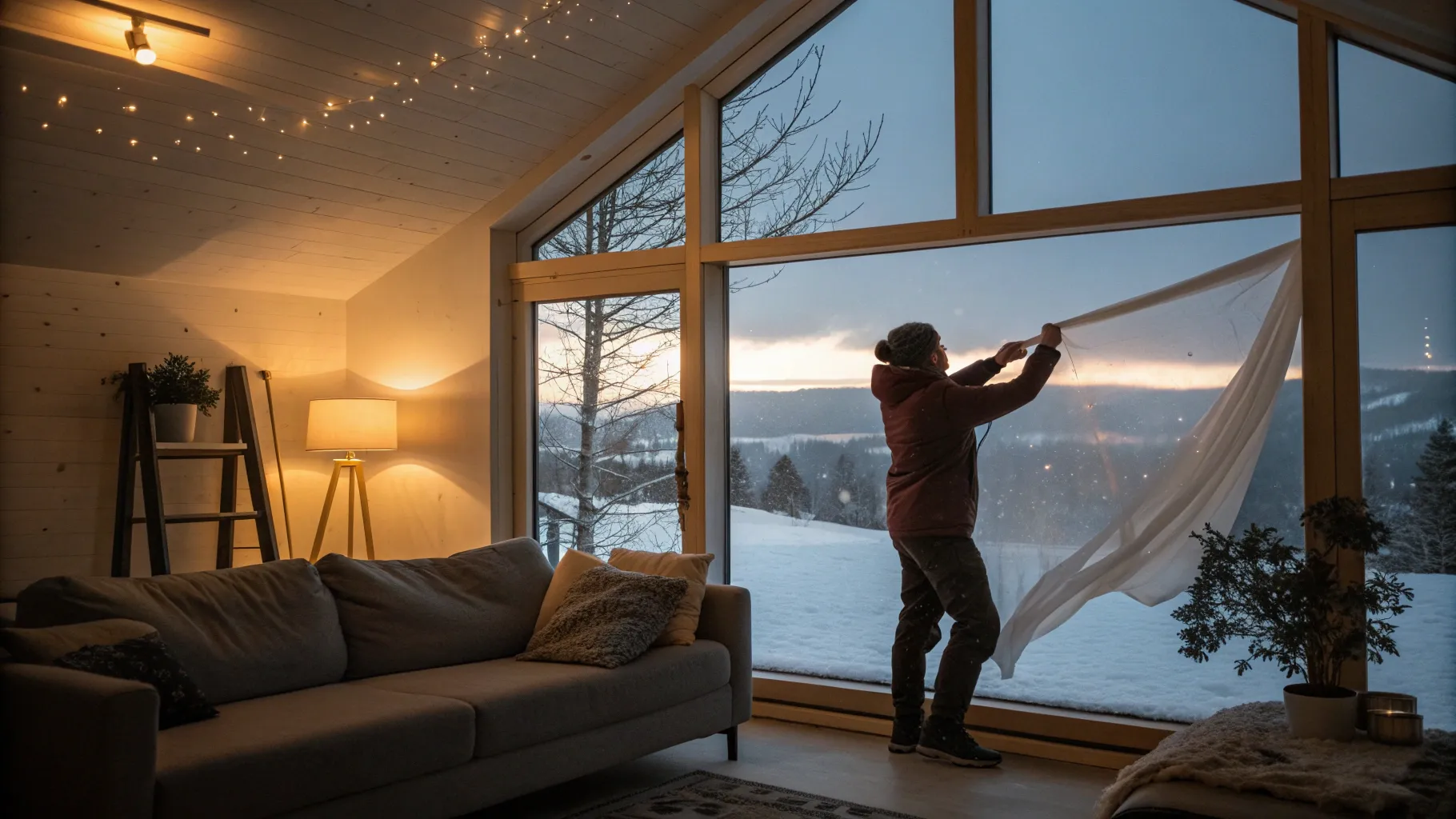
As the days grow shorter and a chill fills the air, knowing how to prepare home for cold nights becomes a top priority for comfort and efficiency. Taking proactive steps to winterize your living space not only ensures a cozy environment but also leads to significant savings on energy bills. From sealing drafts to tuning up your furnace, a little preparation goes a long way.
Key Benefits
- Lower Energy Bills: Implementing energy saving tips cold weather directly reduces your monthly heating expenses.
- Increased Comfort: A well-prepared home eliminates cold spots and drafts, creating a more comfortable living environment.
- System Longevity: Regular maintenance helps your heating system run more efficiently and extends its lifespan.
- Improved Safety: Checking heating systems and detectors prevents potential hazards like carbon monoxide leaks.
When considering insulation, homeowners often compare fiberglass batts with blown-in cellulose. Fiberglass is cost-effective and easy to install in open walls, while blown-in cellulose is excellent for filling irregular spaces and existing walls for a tighter seal. For windows, thermal curtains offer an affordable boost in insulation compared to standard drapes, and adding window insulation film provides a clear, effective barrier against cold air transfer. Don't forget simple comforts like exploring warm bedding and blanket ideas, such as flannel sheets and electric blankets, for an extra layer of warmth.
Winter Insulation Checklist
- Check Windows & Doors: Look for air leaks and seal them with caulk or weatherstripping.
- Inspect Attic Insulation: Ensure it's evenly distributed and meets recommended R-value levels for your climate zone.
- Insulate Pipes: Wrap hot water pipes to prevent heat loss and protect exposed pipes from freezing.
- Seal Outlets & Switches: Use foam gaskets to block drafts coming through electrical outlets on exterior walls.
- Check Fireplace Damper: Make sure the damper is closed when not in use to prevent heat from escaping up the chimney.
Frequently Asked Questions
What is the first thing to check when winterizing a home?
The first thing is to check for air leaks. Drafts around windows, doors, and electrical outlets are major sources of heat loss. Sealing these is a low-cost, high-impact step in what to know before winterizing home.
How often should I service my heating system?
It's recommended to have your heating system professionally serviced once a year, ideally in the fall before the cold weather sets in. Our heating system maintenance guide suggests checking and replacing filters every 1-3 months during peak use.
Can new curtains really make a difference?
Yes, absolutely. Switching to heavy, thermal-lined curtains can reduce heat loss through windows by up to 25%, acting as an effective layer of insulation against the cold outside.
References
- U.S. Department of Energy - Energy Saver Guide
- Environmental Protection Agency (EPA) - Home Weatherization
- This Old House - Winterizing Tips