
Understanding the Hearing Devices Gaining Popularity with Seniors
Hearing loss is a common part of aging, but advancements in technology have led to a new wave of devices designed to be more accessible, user-friendly, and affordable. Many seniors are now exploring options beyond traditional hearing aids, discovering devices that better fit their lifestyles and needs. Understanding these new technologies is the first step toward making an informed decision about hearing health.
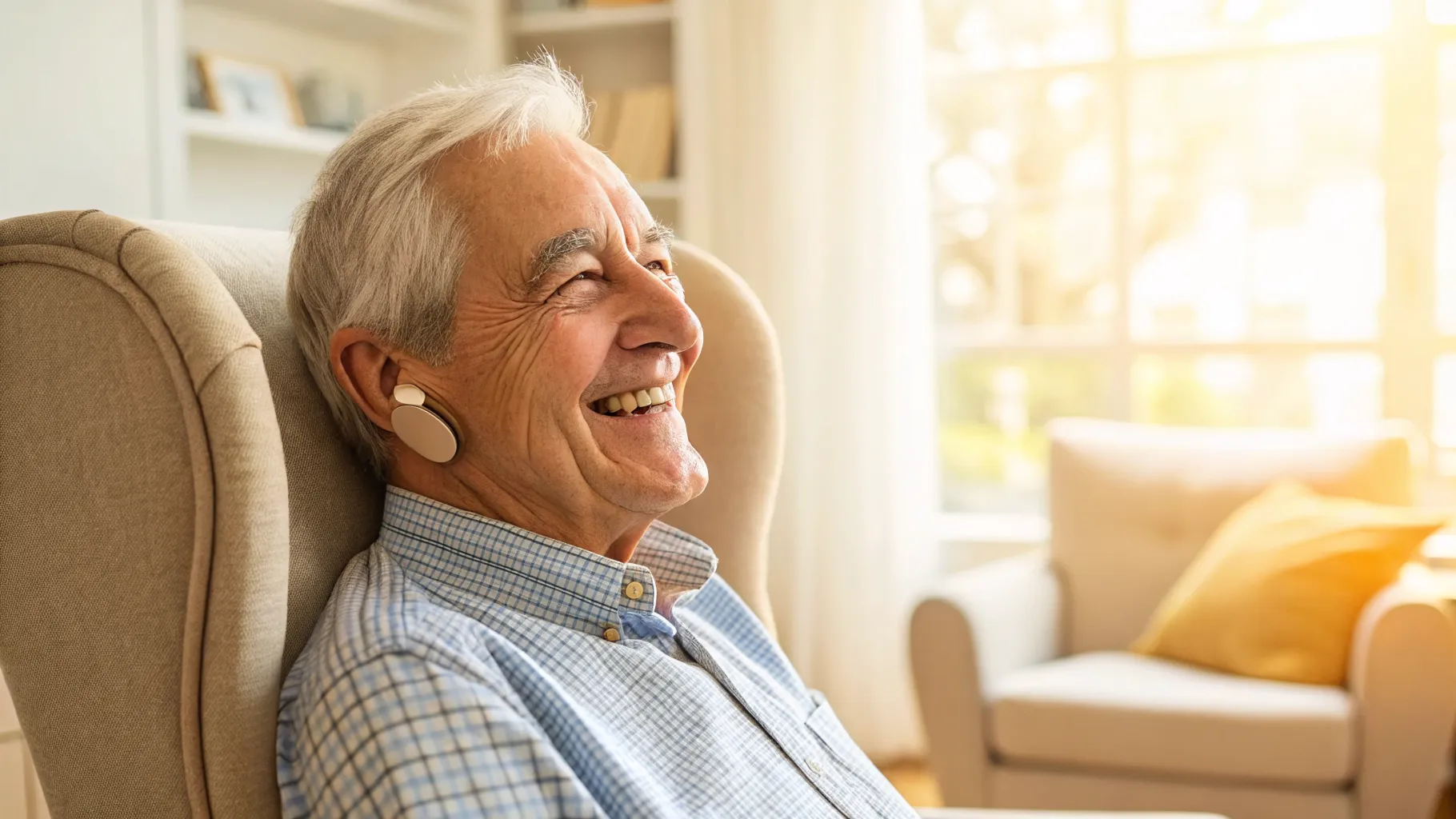
The Emergence of Over-the-Counter (OTC) Hearing Aids
One of the most significant changes in the hearing health landscape is the availability of over-the-counter hearing aids. Following a ruling by the U.S. Food and Drug Administration (FDA), adults with perceived mild to moderate hearing loss can now purchase these devices directly from stores or online retailers without needing a medical exam, prescription, or a fitting from an audiologist. This change was intended to lower costs and improve access for millions of people.
These devices are regulated by the FDA to ensure they meet specific safety and performance standards. They are designed for self-fitting and self-customization, often using a smartphone app to adjust settings. This direct-to-consumer model empowers users to take control of their hearing health, but it also places the responsibility on them to determine if an OTC device is appropriate for their level of hearing loss.
Key Features of Modern Hearing Devices
Today's hearing devices, both prescription and OTC, come packed with advanced features that were unavailable just a decade ago. Understanding these features can help you identify what might be most beneficial for your lifestyle. Many users prioritize convenience, connectivity, and sound quality when making a choice.
Common features to look for include:
- Rechargeable Batteries: Many modern devices have built-in rechargeable batteries, eliminating the need to frequently buy and replace tiny disposable batteries. They typically come with a charging case that provides multiple charges on the go.
- Bluetooth Connectivity: This allows you to stream audio directly from your smartphone, television, or tablet to your hearing devices. It enables hands-free phone calls and a more immersive audio experience for music and media.
- Directional Microphones: These help you focus on conversations in front of you while reducing background noise from the sides and behind. This is particularly useful in noisy environments like restaurants or family gatherings.
- App-Based Customization: Most OTC devices and many prescription aids connect to a smartphone app. This app allows you to adjust volume, switch between listening programs (e.g., 'Quiet,' 'Restaurant,' 'Music'), and fine-tune frequencies to match your preferences.
Prescription Hearing Aids vs. OTC Options
While OTC hearing aids offer a new level of accessibility, prescription hearing aids remain the standard for many individuals, especially those with more complex or severe hearing loss. The primary difference lies in the process and level of professional care involved. Prescription hearing aids are sold and fitted by a licensed audiologist or hearing instrument specialist who conducts a comprehensive hearing evaluation.
This professional fitting ensures the device is programmed precisely to your specific audiogram and that the physical fit is comfortable and secure. Prescription aids can also address a wider range of hearing loss types, including severe to profound loss. In contrast, OTC devices are designed for a one-size-fits-most approach for mild to moderate hearing loss, with the user managing the setup and adjustments.
How to Determine if a Device is Right for You
Choosing the right type of hearing device starts with understanding your own hearing needs. The first and most recommended step is to get a professional hearing test from an audiologist. Even if you plan to purchase an OTC device, an audiogram will provide a clear picture of your hearing loss, confirming if you fall into the mild-to-moderate category appropriate for these products.
If you have symptoms like ringing in the ears (tinnitus), sudden hearing loss, or a significant difference in hearing between your ears, consulting a medical professional is crucial. These can be signs of underlying medical conditions that an OTC device cannot address. Always review the return policies and warranties for any device you consider, as it may take some time to adjust and determine if it works for you.
The Importance of Sound Quality and Comfort
Regardless of the type of device, its effectiveness ultimately comes down to sound quality and comfort. A device that is uncomfortable to wear or produces distorted, artificial-sounding audio is unlikely to be used consistently. Modern digital hearing devices have made great strides in producing a more natural sound, but individual experiences can vary.
Look for devices that offer noise reduction and feedback cancellation features. Noise reduction helps make speech clearer in loud environments, while feedback cancellation prevents the annoying whistling or buzzing sound that can sometimes occur. Comfort is equally important, so consider the style of the device, such as behind-the-ear (BTE) or in-the-canal (ITC), and how it will feel throughout the day.
Adjusting to a New Hearing Device
Using a hearing device for the first time requires an adjustment period. Your brain needs time to get used to processing sounds it hasn't heard clearly for a while. Initially, everyday sounds like a ticking clock or humming refrigerator might seem loud or distracting. It's important to be patient and wear the devices consistently.
Start by wearing them for a few hours a day in quiet environments and gradually increase the duration and complexity of the listening situations. Many manufacturers provide support resources, including online guides and customer service lines, to help new users through this acclimatization phase. Following the recommended adjustment process can significantly improve your long-term satisfaction with the device.