Recognizing the Telltale Signs: A Guide to High Blood Sugar Symptoms
High blood sugar, or hyperglycemia, occurs when there is too much glucose in the bloodstream. This can happen when the body has too little insulin or if the body can't use insulin properly. While occasional spikes can occur after a large meal, chronically high levels can lead to significant health issues. Recognizing the symptoms is the first step toward addressing the underlying cause with a healthcare professional.
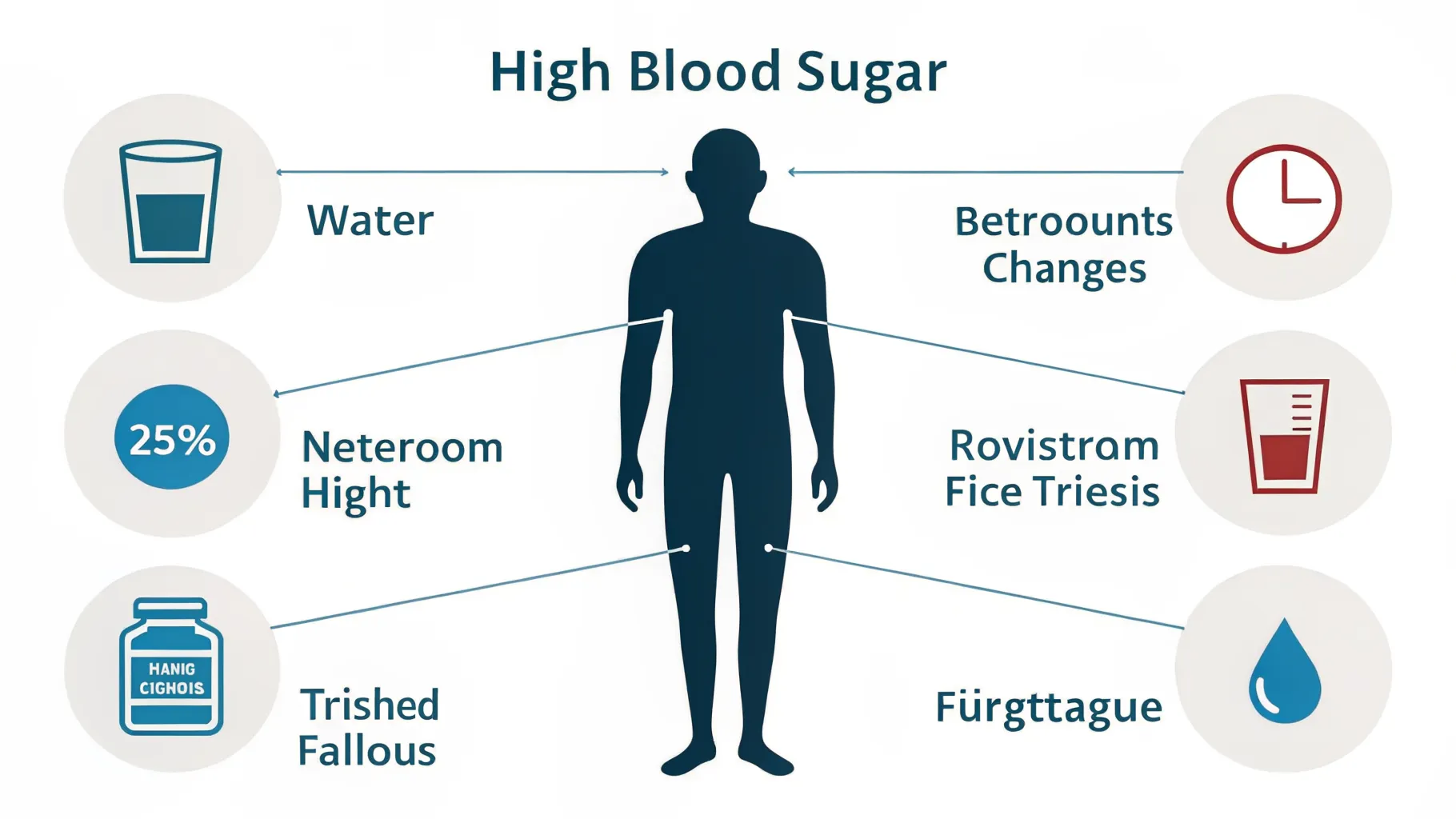
What is Hyperglycemia?
Hyperglycemia is the medical term for high blood sugar. It's a primary concern for individuals with diabetes, but it can also affect people without a diabetes diagnosis under certain conditions, such as during a severe illness or as a side effect of some medications. Glucose is the body's main source of energy, and insulin is a hormone that helps move glucose from the blood into your cells to be used for energy.
When this process is disrupted, glucose builds up in the blood instead of reaching the cells. This can lead to the classic symptoms associated with high blood sugar. These symptoms often develop slowly over several days or weeks. The longer the blood sugar levels remain high, the more serious the potential health problems become.
Early and Frequent Symptoms
Some of the most common and earliest indicators of high blood sugar are often referred to as the '3 Ps'. These symptoms are directly related to the body's attempt to manage the excess glucose in the bloodstream. Understanding why they occur can help you identify them more easily.
- Frequent Urination (Polyuria): When there's excess sugar in your blood, your kidneys work overtime to filter and absorb it. When they can't keep up, the excess sugar is excreted into your urine, dragging along fluids from your tissues, which leads to more frequent urination.
- Increased Thirst (Polydipsia): The frequent urination causes your body to lose additional water, which can lead to dehydration. As a result, you may feel unusually thirsty as your body signals the need to replenish lost fluids.
- Increased Hunger (Polyphagia): Even with high levels of glucose in the blood, the body's cells may not be getting the energy they need because of a lack of insulin or insulin resistance. This lack of energy can trigger intense hunger.
Physical Signs of Fatigue and Vision Changes
Persistent hyperglycemia can affect your energy levels and even your eyesight. When your cells are deprived of glucose for energy, your body can feel tired and run down. This isn't the normal tiredness after a long day; it's a more pervasive fatigue that doesn't always improve with rest. Your body is working inefficiently, and the lack of cellular fuel contributes directly to this feeling of exhaustion.
High blood sugar can also cause blurred vision. This is not typically a permanent issue related to eye damage in the early stages, but rather a temporary one. Excess sugar in the blood can pull fluid from the lenses of your eyes, affecting their ability to focus. Once blood sugar levels are brought back into a normal range, vision usually returns to normal.
Impact on Skin and Healing
High blood sugar can have a noticeable impact on your skin and the body's ability to heal. Over time, hyperglycemia can cause poor circulation and nerve damage, which makes it harder for the body to repair itself. This is why small cuts, scrapes, or sores may take much longer than usual to heal. This slow healing process also increases the risk of infection.
Furthermore, individuals with high blood sugar may experience more frequent infections. High glucose levels can create a favorable environment for bacteria and yeast to grow. Common issues include skin infections, urinary tract infections (UTIs), and yeast infections. Dry, itchy skin is another common complaint associated with poor circulation caused by hyperglycemia.
Cognitive and Neurological Indicators
The brain relies on a steady supply of glucose to function correctly. When blood sugar levels are consistently high, it can impact cognitive function and mood. Many people report having trouble concentrating or feeling a sense of 'brain fog' when their sugar levels are elevated. This can interfere with work, school, and daily tasks.
Headaches can also be a symptom of high blood sugar. Dehydration, which is a common consequence of frequent urination, is a frequent cause of headaches. For some, these headaches can be a persistent and bothersome sign that their glucose levels are not well-managed. Paying attention to these neurological cues is important for overall health monitoring.
When It's Time to Consult a Doctor
If you experience any of these symptoms persistently, it is important to speak with a healthcare provider. While these signs can be indicators of high blood sugar, they can also be related to other health conditions. A doctor can perform simple tests, such as a blood glucose test, to determine the cause of your symptoms and recommend an appropriate course of action.
Ignoring the symptoms of high blood sugar can lead to more severe complications over time, including damage to nerves, blood vessels, and organs. Early detection and management are crucial for preventing long-term health problems. A medical professional can provide a proper diagnosis and help you create a plan to manage your blood sugar levels through lifestyle changes, medication, or other treatments.