
HIV Skin Symptoms: A Comprehensive Guide to Rashes & Early Signs
Facts:
- Many HIV skin issues stem from a weakened immune system.
- Early detection is crucial for managing HIV skin symptoms.
Decoding the Signs: A Deep Dive into HIV Skin Symptoms
Understanding the various skin manifestations is a critical part of managing HIV. Many individuals first become aware of a potential issue through dermatological changes. This guide explores in detail what are early hiv skin symptoms, providing clarity on a topic that often causes concern. We will delve into how does hiv affect the skin, what to look for, and when these signs might appear, offering a comprehensive overview for patients and caregivers alike. The connection between the virus and skin health is complex, involving both direct effects of the virus and indirect consequences of a compromised immune system, which we will explore thoroughly.
What Are Early HIV Skin Symptoms?
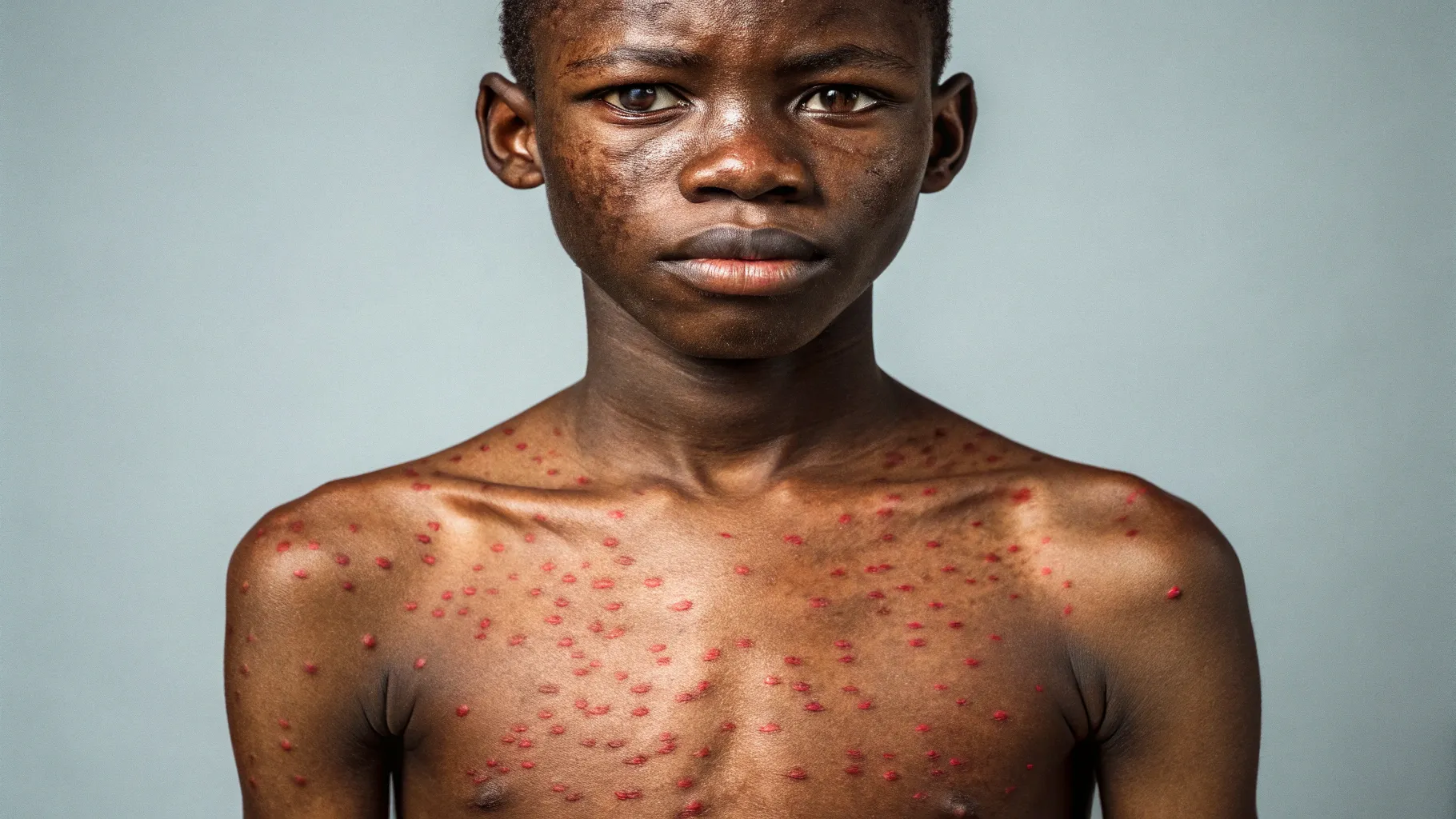
One of the most discussed topics is what are early hiv skin symptoms, as they can be one of the first indicators of an infection. During the acute or primary stage of HIV, which occurs a few weeks after exposure, the body undergoes seroconversion. This process can trigger a flu-like illness, often accompanied by a specific type of rash. This rash, known as an acute retroviral syndrome rash, is typically maculopapular, meaning it consists of both flat, red areas and small, raised bumps. It commonly appears on the upper body, such as the torso, chest, and sometimes the face, arms, and legs. It's usually not itchy. Other early dermatological signs can include painful sores in the mouth or on the genitals. Recognizing these signs is vital because early diagnosis and treatment can significantly alter the long-term prognosis of HIV.
How Does HIV Affect the Skin?
To fully grasp the scope of the issue, it is essential to understand how does hiv affect the skin. The impact is twofold. Firstly, HIV can directly cause certain skin conditions. Secondly, and more commonly, it weakens the immune system, leaving the body vulnerable to a host of opportunistic infections and diseases that manifest on the skin. A suppressed immune system cannot effectively fight off bacteria, fungi, and viruses that a healthy body normally would. This is why people living with HIV may experience more severe or persistent cases of common skin problems like eczema, psoriasis, and seborrheic dermatitis. Furthermore, the question of can hiv cause rashes on the skin is unequivocally yes, both as a direct result of the body's reaction to the virus itself and as a consequence of these secondary infections.
What HIV Skin Symptoms Look Like: Common Rashes and Lesions
Knowing what hiv skin symptoms look like is key for identification. The appearances can vary widely. The seroconversion rash is often described as a diffuse, non-itchy red rash. Other conditions include Folliculitis, which presents as small, itchy pimples around hair follicles, often on the chest, back, face, and scalp. Molluscum contagiosum appears as small, firm, flesh-colored or pink bumps with a central dimple. Herpes simplex and herpes zoster (shingles) can cause painful blisters and are often more severe and widespread in people with HIV. Another consideration is photosensitivity, where the skin reacts more intensely to sunlight, leading to rashes on sun-exposed areas. In advanced stages, more serious conditions like Kaposi's sarcoma can appear as purple, red, or brown lesions on the skin.
When Do HIV Skin Symptoms Appear?
A common question is when do hiv skin symptoms appear. The timeline can differ for each individual and depends on the stage of the infection. The initial acute rash typically appears within 2 to 6 weeks of infection and resolves on its own within a few weeks. During the chronic or asymptomatic phase of HIV, which can last for years, skin issues may be less frequent but can include persistent dry skin, psoriasis, or seborrheic dermatitis. As the immune system weakens further and the CD4 count drops, more severe and opportunistic skin infections become more common. Therefore, skin symptoms can be a continuous concern throughout the course of the infection, highlighting the importance of ongoing medical care to manage immune health.
Actionable Advice for Managing HIV-Related Skin Conditions
Proactive management is essential for skin health when living with HIV. Understanding how does hiv affect the skin allows for better preventative strategies. Here is some actionable advice:
- Adhere to Antiretroviral Therapy (ART): The most effective way to prevent and manage HIV-related skin conditions is to control the virus itself. ART boosts the immune system, making it better able to fight off infections.
- Practice Good Skin Hygiene: Use gentle, moisturizing soaps and lukewarm water. Pat the skin dry instead of rubbing it to avoid irritation. Regularly apply a high-quality, fragrance-free moisturizer to combat dryness.
- Protect Your Skin from the Sun: Due to potential photosensitivity, using a broad-spectrum sunscreen with a high SPF is crucial. Wear protective clothing, hats, and sunglasses when outdoors.
- Consult a Dermatologist: Work with a dermatologist who has experience with HIV-related skin issues. They can accurately diagnose conditions and prescribe appropriate topical or oral medications.
- Monitor Your Skin Regularly: Be vigilant about any new or changing rashes, sores, or lesions. Early detection of potential issues like skin cancers or severe infections is vital. Report any concerns to your healthcare provider immediately.
Frequently Asked Questions
Can HIV cause rashes on the skin?
Yes, absolutely. Rashes are one of the most common symptoms associated with HIV. A rash can appear during the early, acute stage of infection (seroconversion rash) or during later stages due to a weakened immune system making the body susceptible to various infections and inflammatory skin conditions.
What are the very first signs of HIV on the skin?
The very first dermatological sign for many is the acute retroviral syndrome rash, which is a maculopapular rash appearing on the trunk and upper body. Alongside this, some people may develop mouth or genital ulcers. This collection of symptoms helps to identify what are early hiv skin symptoms.
When do HIV skin symptoms appear after exposure?
The early rash associated with acute HIV infection typically appears between 2 and 6 weeks after exposure to the virus. Other skin problems can develop at any stage of the infection, often becoming more frequent or severe as the immune system's function declines without treatment.
What do HIV skin symptoms look like?
The appearance varies greatly. The early rash often looks like a collection of small, reddish dots and bumps. Other conditions can look like acne (folliculitis), waxy and scaly patches (seborrheic dermatitis), or painful blisters (herpes). It is crucial to have any unusual skin changes evaluated by a doctor to determine the cause.
References
- Centers for Disease Control and Prevention (CDC)
- World Health Organization (WHO)
- Journal of the American Academy of Dermatology
- UNAIDS Data and Reports