
HIV Skin Symptoms: A Guide to Rashes and Early Signs
Facts:
- Many HIV-related skin issues are treatable with proper care.
- Over 90% of people with HIV experience skin changes at some stage.
Understanding the Impact: How HIV Affects the Skin
The human immunodeficiency virus (HIV) primarily attacks the immune system, specifically the CD4 cells. This weakening of the body's natural defenses makes an individual more susceptible to various infections and conditions, many of which manifest on the skin. Understanding how does hiv affect the skin is crucial for early detection and management. When the immune system is compromised, common skin problems can become more severe, and opportunistic infections that a healthy immune system would normally fight off can take hold. This is why skin symptoms are often one of the first visible indicators of the virus. Questions like what are early hiv skin symptoms are common because these manifestations can be the initial clue that something is wrong, prompting medical consultation.
What Are Early HIV Skin Symptoms and When Do They Appear?
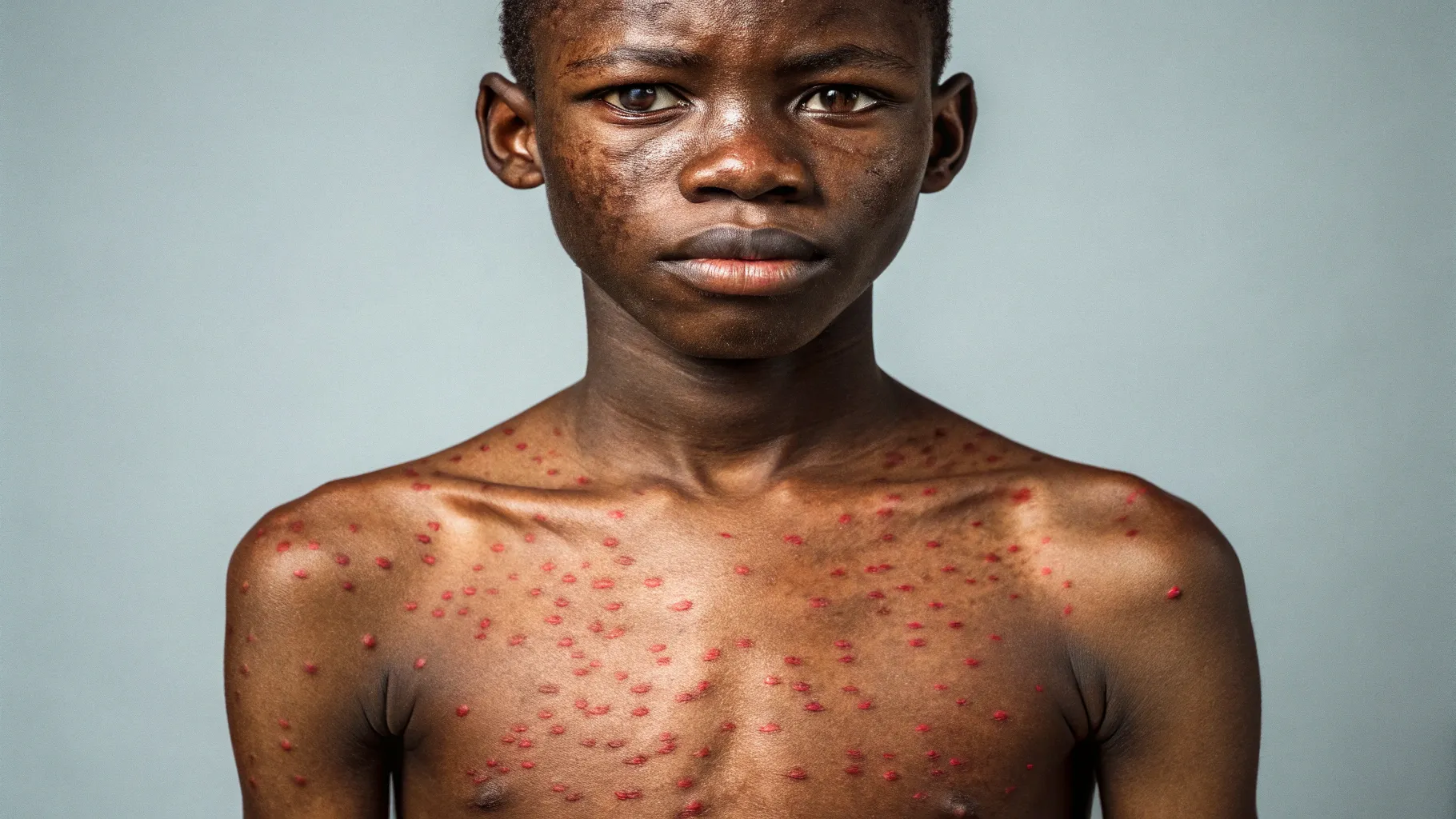
One of the most frequent questions is when do hiv skin symptoms appear. Often, the first skin-related sign emerges during the acute stage of HIV infection, also known as acute retroviral syndrome (ARS). This stage usually occurs within two to four weeks after exposure to the virus. The most common symptom is a maculopapular rash—a rash characterized by flat, red areas on the skin covered with small, confluent bumps. This rash typically appears on the trunk, face, and sometimes the palms and soles. It's often accompanied by flu-like symptoms such as fever, fatigue, and swollen lymph nodes. It's important to recognize what are early hiv skin symptoms because they can be mistaken for other common viral illnesses like mono or the flu. This rash is usually non-itchy and resolves on its own within a few weeks as the body moves into the chronic, or asymptomatic, stage of HIV.
A Visual Guide: What HIV Skin Symptoms Look Like
Visually identifying potential symptoms is a key concern for many. While descriptions are helpful, understanding what hiv skin symptoms look like can provide more clarity. Beyond the initial ARS rash, a weakened immune system can lead to a variety of dermatological conditions as the disease progresses. These can include:
- Xerosis (Dry Skin): Severe, itchy, and flaky skin is very common.
- Seborrheic Dermatitis: This condition causes flaky, yellowish, scaly patches on oily areas such as the face, scalp, and chest. In people with HIV, it can be more widespread and severe.
- Molluscum Contagiosum: These are small, flesh-colored or pink bumps with a central dimple. While common in children, in adults with HIV they can be numerous and persistent.
- Herpes Zoster (Shingles): A reactivation of the chickenpox virus, causing a painful, blistering rash on one side of the body. Its occurrence can be a sign of a declining immune system.
- Kaposi's Sarcoma: This is a type of cancer that can cause purple, red, or brown lesions on the skin. It was once a common AIDS-defining illness but is less frequent now due to effective antiretroviral therapy (ART).
Can HIV Cause Rashes on the Skin? Exploring Various Types
To be clear, the answer to can hiv cause rashes on the skin is a definitive yes. The rashes are not caused directly by the virus itself but by the effect it has on the immune system. The compromised immunity allows for a range of conditions to flourish. Some rashes are inflammatory responses, while others are due to opportunistic infections (bacterial, fungal, or viral). For instance, folliculitis, an inflammation of hair follicles, can present as itchy bumps that resemble acne. Fungal infections like candidiasis (thrush) can cause rashes in moist areas of the body. Psoriasis, an autoimmune condition, can also flare up or appear for the first time in individuals with HIV. The presentation of these rashes can be atypical or more severe compared to how they appear in people with healthy immune systems, further complicating diagnosis without proper medical evaluation.
How Does HIV Affect the Skin Beyond Rashes?
The impact of HIV on the skin goes beyond just rashes. The question of how does hiv affect the skin encompasses a broader range of symptoms. One significant issue is photosensitivity, where the skin becomes extremely sensitive to sunlight, leading to severe sunburns or rashes after minimal sun exposure. Another common problem is lipodystrophy, a side effect of some older HIV medications, which causes changes in body fat distribution and can affect the skin's appearance. Additionally, individuals may experience changes in their nails, such as thickening, curving, or discoloration. Oral hairy leukoplakia, which causes white, fuzzy patches on the tongue, is another specific sign linked to a compromised immune system due to HIV. These diverse symptoms underscore the systemic effect of the virus on the body's largest organ.
Managing HIV-Related Skin Conditions
Effectively managing HIV skin symptoms involves a two-pronged approach: treating the underlying HIV infection and addressing the specific dermatological condition.
- Antiretroviral Therapy (ART): This is the cornerstone of management. By suppressing the virus, ART allows the immune system to recover, which often leads to the resolution or improvement of many skin conditions.
- Topical Treatments: Medicated creams, ointments, and lotions (such as corticosteroids, antifungals, or retinoids) can be used to manage specific rashes and lesions directly.
- Good Skin Care: Simple practices like using gentle, moisturizing soaps, avoiding long, hot showers, and applying emollients regularly can help combat dry skin (xerosis).
- Sun Protection: For those with photosensitivity, using broad-spectrum sunscreen, wearing protective clothing, and avoiding peak sun hours is essential.
- Consult a Dermatologist: Working with a dermatologist who has experience with HIV-related skin issues is crucial for accurate diagnosis and a tailored treatment plan.
Frequently Asked Questions
Can HIV cause rashes on the skin without other symptoms?
Yes, sometimes a rash can be the only noticeable sign during the acute stage of HIV infection (ARS). However, it is more commonly accompanied by flu-like symptoms. As the disease progresses, various skin conditions can appear with or without other systemic symptoms.
When do HIV skin symptoms appear after infection?
The first skin symptoms, typically a maculopapular rash, usually when do hiv skin symptoms appear during the acute stage, which is about 2 to 4 weeks after exposure. Other skin conditions can develop at any time, especially if the HIV is untreated and the immune system weakens over years.
What do early HIV skin symptoms look like?
The most common early symptom is a maculopapular rash, which appears as red, flat spots often covered with small bumps. It's usually found on the torso and face. Understanding what early hiv skin symptoms look like is key, but a proper diagnosis from a healthcare provider is essential as many conditions can cause similar rashes.
How does HIV affect the skin in the long term?
In the long term, and especially without effective treatment, how does hiv affect the skin involves making it vulnerable to chronic conditions like severe seborrheic dermatitis, psoriasis, and opportunistic infections like shingles or molluscum contagiosum. Effective ART significantly reduces the risk of these long-term issues.
References
- U.S. Department of Health & Human Services
- Centers for Disease Control and Prevention (CDC)
- The Journal of the American Academy of Dermatology
- World Health Organization (WHO)