
Holistic Healing: A Comprehensive Guide to Natural Remedies for Depression Symptoms
Facts:
- Specific nutrients directly impact brain neurotransmitter function.
- There is a growing trend towards integrative mental health care.
Exploring Pathways to Wellness Beyond Conventional Treatments
Navigating the complexities of mental health often requires a multi-faceted approach. While traditional therapies and medications are crucial for many, an increasing number of individuals are seeking complementary strategies to manage their well-being. Exploring natural remedies for depression symptoms can empower you with additional tools to support your mood, enhance resilience, and improve your overall quality of life. These methods, rooted in nutrition, lifestyle, and herbal medicine, work by addressing underlying physiological imbalances that can contribute to depressive states, offering a holistic path toward feeling better.
Nutritional Strategies: Fueling Your Brain for a Better Mood
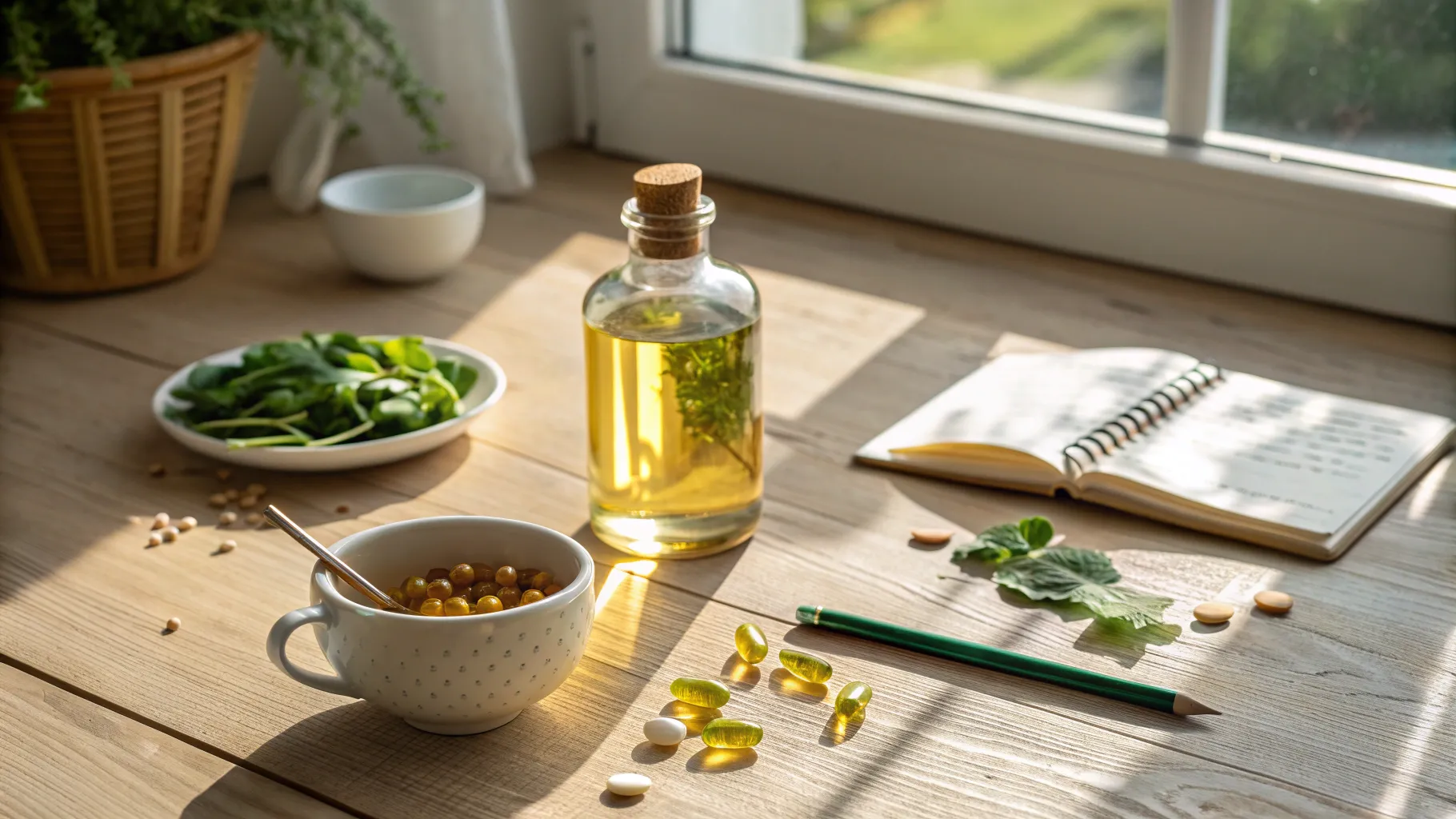
What you eat has a direct and profound impact on your brain chemistry and function. A diet rich in processed foods, sugar, and unhealthy fats can contribute to inflammation and oxidative stress, which are linked to mood disorders. Conversely, a nutrient-dense diet provides the essential building blocks for neurotransmitters like serotonin and dopamine, which are critical for mood regulation. Incorporating specific foods and nutrients is one of the most foundational natural remedies for depression symptoms. For instance, Omega-3 fatty acids, found in fatty fish like salmon and walnuts, are essential components of brain cell membranes and have powerful anti-inflammatory properties. Similarly, a deficiency in B vitamins, particularly B12 and folate, has been strongly linked to depression. Ensuring a diet rich in leafy greens, legumes, and lean proteins can help maintain adequate levels of these vital nutrients.
Herbal Supplements: Nature's Support System for Mental Health
For centuries, various cultures have turned to botanicals for mental and emotional support. Today, scientific research is beginning to validate some of these traditional uses, positioning certain herbs as viable natural remedies for depression symptoms. St. John's Wort (Hypericum perforatum) is perhaps the most well-known, with numerous studies supporting its efficacy for mild to moderate depression. It is believed to work by influencing neurotransmitter levels in the brain. Another powerful supplement is SAMe (S-adenosylmethionine), a compound that occurs naturally in the body and plays a role in chemical reactions, including those that affect mood. However, it is absolutely critical to approach herbal supplements with caution and professional guidance. They can interact with prescription medications, including antidepressants, and may not be suitable for everyone. Always consult with a healthcare provider before starting any new supplement regimen.
Lifestyle Adjustments as Powerful Natural Remedies for Depression Symptoms
Your daily habits and routines are immensely powerful tools in managing your mental health. Integrating consistent, positive lifestyle changes can create a strong foundation for emotional well-being. Regular physical activity is a cornerstone among natural remedies for depression symptoms. Exercise boosts endorphins, reduces stress hormones like cortisol, and stimulates the growth of new brain cells. Even 30 minutes of moderate activity, like brisk walking, most days of the week can make a significant difference. Equally important is sleep hygiene. Chronic sleep deprivation severely impacts mood and cognitive function. Establishing a regular sleep schedule, creating a restful environment, and avoiding stimulants before bed can dramatically improve sleep quality. Furthermore, practices like mindfulness and meditation help train the brain to better manage stress and negative thought patterns, fostering a greater sense of calm and control.
The Power of Light and Nature: Environmental Therapies
Your surrounding environment can play a significant role in how you feel. A lack of exposure to natural light, especially during winter months, can lead to Seasonal Affective Disorder (SAD), a type of depression. Light therapy, which involves daily exposure to a special light box that mimics natural outdoor light, is a proven treatment. Simply making an effort to get outside for a walk during daylight hours can also boost your mood by increasing Vitamin D production, a nutrient essential for brain health. Beyond just light, spending time in nature, often called ecotherapy or 'green therapy,' has been shown to reduce rumination and stress. The simple act of being in a natural setting can lower blood pressure, reduce cortisol levels, and improve focus, making it one of the most accessible natural remedies for depression symptoms.
Creating Your Personalised Wellness Plan
Building a sustainable plan involves integrating various strategies that work for your unique needs and lifestyle. It's not about making drastic changes overnight, but rather about taking small, consistent steps. The journey of using natural remedies for depression symptoms is personal, and what works for one person may not work for another. The key is patience, consistency, and self-compassion.
- Start Small: Choose one or two changes to focus on first, such as adding a 15-minute daily walk or incorporating more omega-3-rich foods into your diet. Once these become habits, you can gradually add more.
- Track Your Progress: Keep a simple journal to note how you feel each day. This can help you identify which strategies are having the most positive impact on your mood and energy levels.
- Consult a Professional: Always discuss your plan with a doctor or mental health professional. They can offer guidance, ensure that supplements won't interact with other medications, and provide comprehensive support for your mental health journey.
- Build a Routine: Structure and routine can provide a sense of stability and predictability, which is often comforting when dealing with depression. Try to wake up, eat meals, and go to bed at roughly the same time each day.
Frequently Asked Questions
Are natural remedies for depression symptoms a replacement for therapy or medication?
No, natural remedies for depression symptoms should be considered complementary or supportive treatments, especially for moderate to severe depression. They can be highly effective for mild symptoms or as part of a comprehensive treatment plan that includes therapy and/or medication prescribed by a healthcare professional. Always consult your doctor before making any changes to your treatment plan.
How long does it take for natural remedies for depression symptoms to work?
The timeframe for seeing results varies widely depending on the individual and the remedy. Lifestyle changes like exercise can have an immediate mood-boosting effect, while nutritional changes or herbal supplements may take several weeks to a few months to show a noticeable, consistent impact. Consistency is key.
Can I combine multiple natural remedies for depression symptoms?
Yes, in many cases, a combination of natural remedies, such as improving your diet, exercising regularly, and ensuring adequate sleep, can have a synergistic and more powerful effect. However, when it comes to herbal supplements, it is crucial to consult a healthcare provider to avoid negative interactions between them or with any other medications you may be taking.
References
- Journal of Affective Disorders: "Exercise as a treatment for depression."
- National Center for Complementary and Integrative Health (NCCIH) studies on St. John's Wort and SAMe.
- American Journal of Psychiatry: "The Role of Nutrition in Mental Health."
- Environmental Health and Preventive Medicine: "The physiological effects of Shinrin-yoku (taking in the forest atmosphere or forest bathing)."