
Holistic Healing: A Guide to Natural Remedies for Depression Symptoms
Facts:
- Over 30% of adults use complementary health approaches.
- A growing trend is integrating natural therapies for mental wellness.
Embracing Nature's Support for Mental Wellness
Navigating the challenges of depression often requires a multi-faceted approach. While conventional treatments are essential, many individuals seek complementary support to enhance their well-being. Exploring natural remedies for depression symptoms can empower you with additional tools to manage your mental health. These strategies focus on holistic care, addressing diet, lifestyle, and the mind-body connection to foster resilience and improve mood. It's crucial to understand that these are not replacements for professional medical advice but can serve as powerful allies in your journey towards feeling better. The consistent application of these natural remedies for depression symptoms can lead to significant improvements over time.
Nutritional Strategies: Fueling Your Brain for a Better Mood
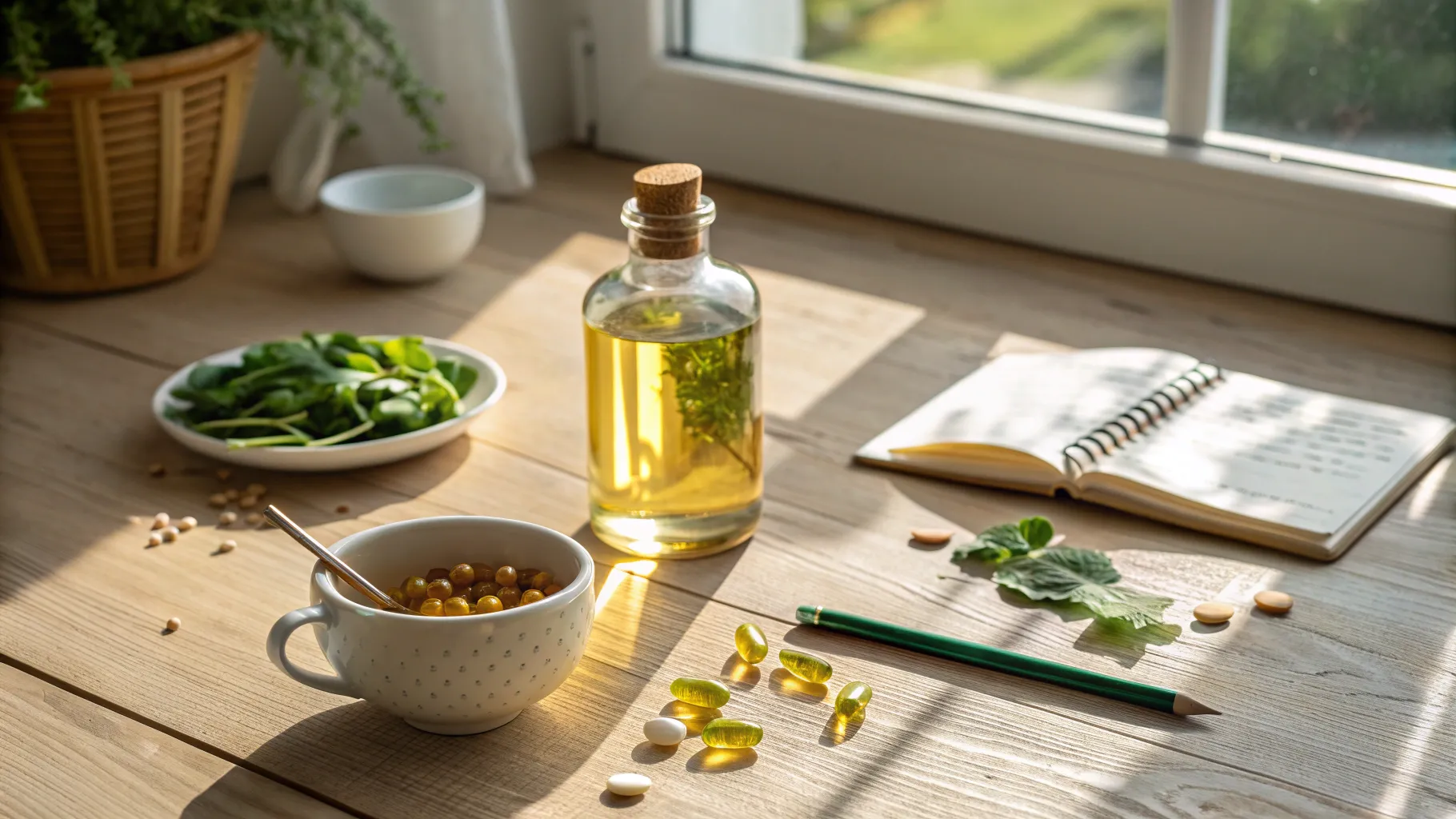
The connection between diet and mental health is undeniable. What you eat directly impacts brain function, chemistry, and mood regulation. Certain nutrients are fundamental for producing neurotransmitters like serotonin and dopamine, which are crucial for feelings of happiness and well-being. Incorporating specific foods and supplements is one of the most accessible natural remedies for depression symptoms. For instance, diets rich in omega-3 fatty acids, found in fatty fish like salmon and walnuts, have been linked to lower rates of depression. These healthy fats are critical components of brain cell membranes and play a vital role in cell signaling. Similarly, ensuring adequate intake of B vitamins, particularly B12 and folate, supports neurological function and can help alleviate depressive symptoms. A balanced diet focusing on whole foods, lean proteins, and complex carbohydrates provides a steady supply of energy and nutrients for optimal brain health.
Herbal Supplements with Mood-Lifting Potential
For centuries, various cultures have turned to botanicals to support emotional balance. Today, scientific research is beginning to validate the efficacy of certain herbs as natural remedies for depression symptoms. One of the most well-known is St. John's Wort (Hypericum perforatum), which has been studied extensively for its effects on mild to moderate depression. It is believed to work by influencing neurotransmitter levels in the brain. Another promising supplement is S-adenosylmethionine (SAMe), a compound that occurs naturally in the body and is involved in chemical reactions related to mood. Rhodiola rosea is an adaptogenic herb that may help the body resist physical and emotional stress, thereby improving symptoms of fatigue and low mood associated with depression. It is imperative to consult with a healthcare provider before starting any herbal supplement, as they can interact with other medications and may not be suitable for everyone. Careful consideration and professional guidance are key when using these powerful natural remedies for depression symptoms.
The Mind-Body Connection: Lifestyle-Based Remedies
Lifestyle interventions are foundational natural remedies for depression symptoms that leverage the powerful link between physical activity and mental state. Regular exercise is one of the most effective strategies. Physical activity boosts endorphins, reduces inflammation, and promotes neural growth, all of which have profound mood-lifting effects. Even moderate exercise, like a brisk 30-minute walk daily, can make a significant difference. Mindfulness and meditation are other potent tools. These practices train the brain to focus on the present moment, which can help break the cycle of negative rumination common in depression. Consistent meditation can actually change the structure and function of the brain to promote more positive emotional states. Lastly, prioritizing sleep hygiene is non-negotiable for mental health. Poor sleep exacerbates depression, while restorative sleep helps regulate mood and improve cognitive function. Establishing a consistent sleep schedule in a dark, quiet environment is a simple yet effective practice.
The Therapeutic Power of Light and Nature
Exposure to natural light and spending time in nature are often overlooked but highly effective natural remedies for depression symptoms. Sunlight exposure helps regulate the body's internal clock and boosts the production of serotonin. For individuals experiencing Seasonal Affective Disorder (SAD), light therapy using a special lamp that mimics natural sunlight can be particularly beneficial. Beyond just sunlight, being in natural environments, often called 'ecotherapy' or 'green therapy,' has been shown to reduce stress, anger, and feelings of depression while improving mood. The simple act of walking in a park, hiking in the woods, or sitting by a body of water can have a calming and restorative effect on the mind. Making a conscious effort to incorporate outdoor time into your daily routine can provide a consistent and gentle boost to your mental well-being.
Creating Your Holistic Wellness Plan
Integrating various natural remedies for depression symptoms into a cohesive plan can create a synergistic effect, enhancing your overall mental health. It is not about making drastic changes overnight but about building sustainable habits. A well-rounded approach is often the most effective. Here are actionable steps you can take to build your personalized plan:
- Prioritize a Brain-Healthy Diet: Focus on incorporating omega-3-rich foods like salmon and flaxseeds, leafy greens for folate, and lean proteins. Reduce processed foods, sugar, and excessive caffeine, which can negatively impact mood.
- Establish a Consistent Exercise Routine: Aim for at least 150 minutes of moderate-intensity aerobic exercise per week. Find an activity you enjoy, whether it's jogging, swimming, dancing, or yoga, to ensure you stick with it.
- Incorporate Mindfulness Practices: Dedicate 10-15 minutes each day to meditation, deep breathing exercises, or yoga. Use apps or guided meditations to help you get started and build a consistent practice.
- Optimize Your Sleep Environment: Create a relaxing bedtime routine. Ensure your bedroom is dark, cool, and quiet. Avoid screens for at least an hour before bed to improve sleep quality, a key component among natural remedies for depression symptoms.
- Seek Professional Guidance: Always discuss any new supplements or significant lifestyle changes with your doctor or a mental health professional to ensure they are safe and appropriate for your specific situation. They can help you integrate these remedies with your existing treatment plan.
Frequently Asked Questions
How long does it take for natural remedies for depression symptoms to work?
The timeframe for seeing results from natural remedies for depression symptoms can vary greatly depending on the individual and the remedy. Some lifestyle changes like exercise can offer immediate mood-boosting effects, while nutritional changes and herbal supplements may take several weeks to a few months to show a noticeable impact.
Can these natural remedies replace my antidepressant medication?
No, you should never stop or alter your prescribed medication without consulting your healthcare provider. Many natural remedies for depression symptoms are intended to be complementary to conventional treatments, not replacements. They can work alongside medication to support your overall well-being.
Are there any risks associated with herbal supplements for depression?
Yes, herbal supplements are not without risks. St. John's Wort, for example, can interact with a wide range of medications, including antidepressants and birth control pills. It is crucial to speak with a doctor before starting any new supplement to avoid dangerous interactions and side effects.
References
- National Center for Complementary and Integrative Health (NCCIH) on depression and complementary health approaches.
- Journal of Psychiatry & Neuroscience studies on omega-3 fatty acids and mood disorders.
- Systematic reviews on the efficacy of St. John's Wort for major depressive disorder.
- Research from the American Psychological Association on the benefits of exercise for mental health.