
How Common PTSD Symptoms Are Ruining Lives
Facts:
- PTSD affects millions globally, often going undiagnosed.
- Increased awareness of **PTSD symptoms** is crucial for early intervention.
The Silent Toll: Understanding Undiscussed PTSD Symptoms
Post-Traumatic Stress Disorder (PTSD) is more than just flashbacks; it encompasses a complex array of reactions that can profoundly disrupt an individual's life. While some symptoms are widely recognized, many **common PTSD symptoms** remain undiscussed, silently eroding well-being and relationships. This comprehensive look delves into the less-talked-about aspects of PTSD, shedding light on the **unexpected impact on daily life** that many experience, often without realizing the underlying cause is their trauma.
The Destructive Power of Impulsive Reactions
One of the most disruptive yet frequently overlooked **PTSD symptoms** is the prevalence of **impulsive reactions**. Individuals with PTSD often find themselves responding to situations with uncharacteristic anger, aggression, or even recklessness. This isn't just about 'losing your temper'; it's a deeply ingrained physiological response rooted in a perpetually overactive fight-or-flight system. These moments of impulsivity can strain personal relationships, create issues in professional settings, and even lead to legal troubles, demonstrating a profound **unexpected impact on daily life**. Loved ones often struggle to understand why someone they know suddenly acts out, unaware that these are often uncontrollable facets of their trauma response. The sudden outbursts or seemingly irrational decisions are not always intentional but rather the nervous system's maladaptive attempt to cope with perceived threats, making everyday interactions fraught with potential triggers and emotional landmines.
Navigating the Emptiness of Emotional Numbness
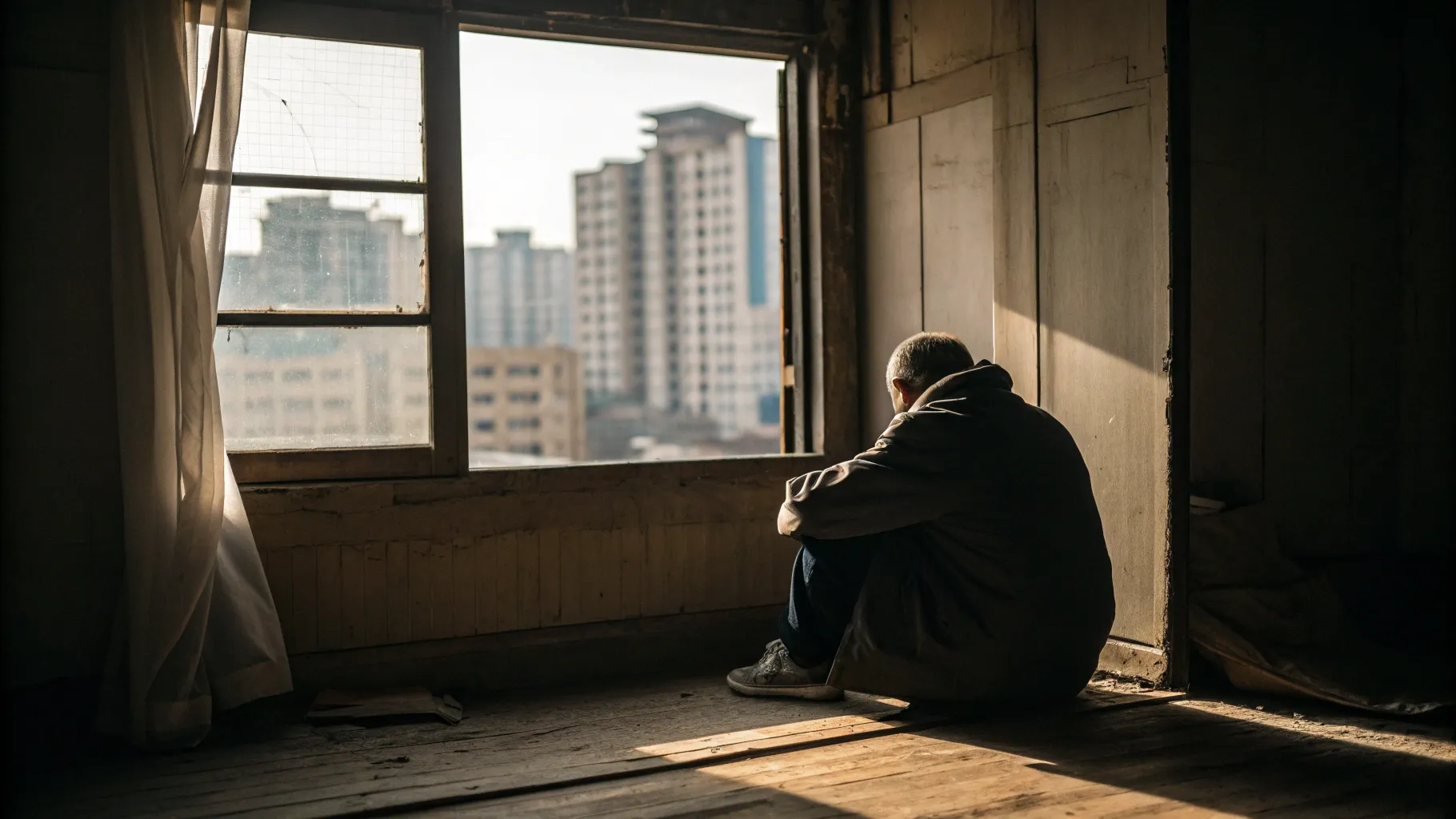
**Emotional numbness** is a pervasive and isolating **PTSD symptom** that often goes unacknowledged. Sufferers describe a feeling of detachment, an inability to experience joy, love, or even sadness as intensely as before. This isn't merely a lack of emotion; it's an active suppression, a protective mechanism against overwhelming feelings associated with trauma. However, this defense comes at a significant cost, leading to a profound sense of emptiness and a disconnect from others. This symptom can be particularly damaging in intimate relationships, as partners may perceive it as a lack of caring or interest, further exacerbating the individual's **social isolation**. The inability to connect emotionally means missing out on the richness of human experience, creating a barren internal landscape that is difficult to articulate and even harder for others to comprehend. It's a silent barrier that prevents authentic connection and deepens the sense of being alone in one's struggle.
The Exhausting Cycle of Sleep Disturbances
Chronic **sleep disturbances** are a hallmark of **PTSD symptoms**, extending far beyond just nightmares. Many individuals experience insomnia, difficulty falling or staying asleep, and disrupted sleep patterns that leave them perpetually exhausted. This constant state of sleep deprivation significantly impairs cognitive function, decision-making, and emotional regulation, contributing to the **unexpected impact on daily life**. The brain struggles to process information, memory recall becomes difficult, and the ability to manage stress is severely diminished. Nightmares, when they occur, are often vivid and terrifying, replaying traumatic events and making the prospect of sleep a source of dread rather than rest. This relentless cycle of poor sleep fuels other PTSD symptoms, creating a vicious feedback loop that makes recovery challenging. The body never fully rests, remaining in a state of high alert even during sleep, perpetuating the feeling of being constantly on edge and contributing to chronic fatigue.
The Invisible Wall of Social Isolation
While often a consequence of other symptoms, **social isolation** is a critical and often overlooked **PTSD symptom** in itself. Individuals with PTSD frequently withdraw from friends, family, and social activities. This can stem from a fear of judgment, an inability to relate to others' experiences, or simply the overwhelming effort required to engage in social interaction when battling internal turmoil. The **unexpected impact on daily life** is profound, leading to loneliness, depression, and a lack of support systems crucial for healing. This withdrawal is not necessarily a conscious choice but often a manifestation of hypervigilance and the difficulty in trusting others after experiencing trauma. The thought of navigating social situations, with their unpredictable triggers and demands for emotional engagement, can feel unbearable, pushing individuals further into solitude. Breaking down this barrier requires immense courage and understanding from both the individual and their support network.
The Unexpected Impact on Daily Life: Beyond the Obvious
The cumulative effect of these often-unspoken **PTSD symptoms** leads to a significant and **unexpected impact on daily life**. This manifests in various subtle yet destructive ways: difficulty maintaining employment due to **impulsive reactions** or **sleep disturbances**, struggles in academic settings, chronic physical health problems exacerbated by stress, and a general loss of interest in activities once enjoyed. The inability to plan for the future, a constant sense of dread, and a pervasive feeling of being 'different' can stifle personal growth and limit opportunities. It's not just about the big moments; it's the insidious chipping away at everyday normalcy. For instance, managing finances becomes challenging when executive function is impaired, or even simple tasks like grocery shopping can trigger anxiety due to hypervigilance. The world becomes a constant source of potential threat, transforming routine activities into monumental efforts. This broad, pervasive disruption underscores why these **PTSD symptoms** are truly ruining lives, often in ways that are invisible to outsiders and profoundly disorienting to those experiencing them.
Seeking Support: Actionable Advice for Managing PTSD Symptoms
- Professional Help: Engage with therapists specializing in trauma-informed care. Cognitive Behavioral Therapy (CBT), Eye Movement Desensitization and Reprocessing (EMDR), and Prolonged Exposure Therapy are highly effective for managing **PTSD symptoms**.
- Build a Support System: Actively seek out supportive friends, family, or support groups. While **social isolation** might feel safer, connection is vital for healing and understanding.
- Establish Routine: Consistent daily routines, especially for sleep, can help mitigate **sleep disturbances**. Creating a calming bedtime ritual can improve sleep quality.
- Mindfulness and Grounding Techniques: Practices like deep breathing, meditation, or sensory grounding can help manage **impulsive reactions** and feelings of **emotional numbness**, bringing you back to the present moment.
- Educate Yourself and Others: Understanding **PTSD symptoms** helps normalize experiences and empowers both sufferers and their loved ones to seek appropriate strategies and support. Sharing information can bridge the gap in understanding the **unexpected impact on daily life**.
Frequently Asked Questions
Why are some **PTSD symptoms** rarely discussed?
Many **PTSD symptoms**, like **emotional numbness** or **impulsive reactions**, are less outwardly dramatic than flashbacks and can be misinterpreted as personality flaws or simply 'bad days.' Stigma and lack of public awareness often prevent open discussion, leading to **social isolation** for those affected.
How do **sleep disturbances** specifically affect daily functioning in PTSD?
**Sleep disturbances** in PTSD, including insomnia and nightmares, lead to chronic fatigue, poor concentration, irritability, and impaired decision-making. This significantly impacts work, relationships, and overall quality of life, contributing to the **unexpected impact on daily life** by making simple tasks feel overwhelming.
Can **emotional numbness** be overcome?
Yes, **emotional numbness** can be addressed through therapy, particularly techniques that help individuals safely process trauma and reconnect with their emotions. It often requires patience and consistent therapeutic effort to gradually restore emotional range.
What is the best way to support someone experiencing **social isolation** due to PTSD?
Approaching with empathy, offering non-judgmental support, and inviting them to low-pressure activities are key. Respect their boundaries but continue to gently encourage connection, understanding that **social isolation** is a **PTSD symptom** and not a personal rejection.
References
- National Center for PTSD. (2024). PTSD: National Center for PTSD. U.S. Department of Veterans Affairs.
- American Psychiatric Association. (2013). Diagnostic and Statistical Manual of Mental Disorders (5th ed.).
- Herman, J. L. (1992). Trauma and Recovery: The Aftermath of Violence—From Domestic Abuse to Political Terror. BasicBooks.
- Van der Kolk, B. A. (2014). The Body Keeps the Score: Brain, Mind, and Body in the Healing of Trauma. Viking.