
How Diabetes Affects Kidney Function: A Comprehensive Guide
Facts:
- Diabetes is the leading cause of kidney failure worldwide.
- Nearly 1 in 3 adults with diabetes develops chronic kidney disease.
The Intricate Link Between High Blood Sugar and Renal Decline
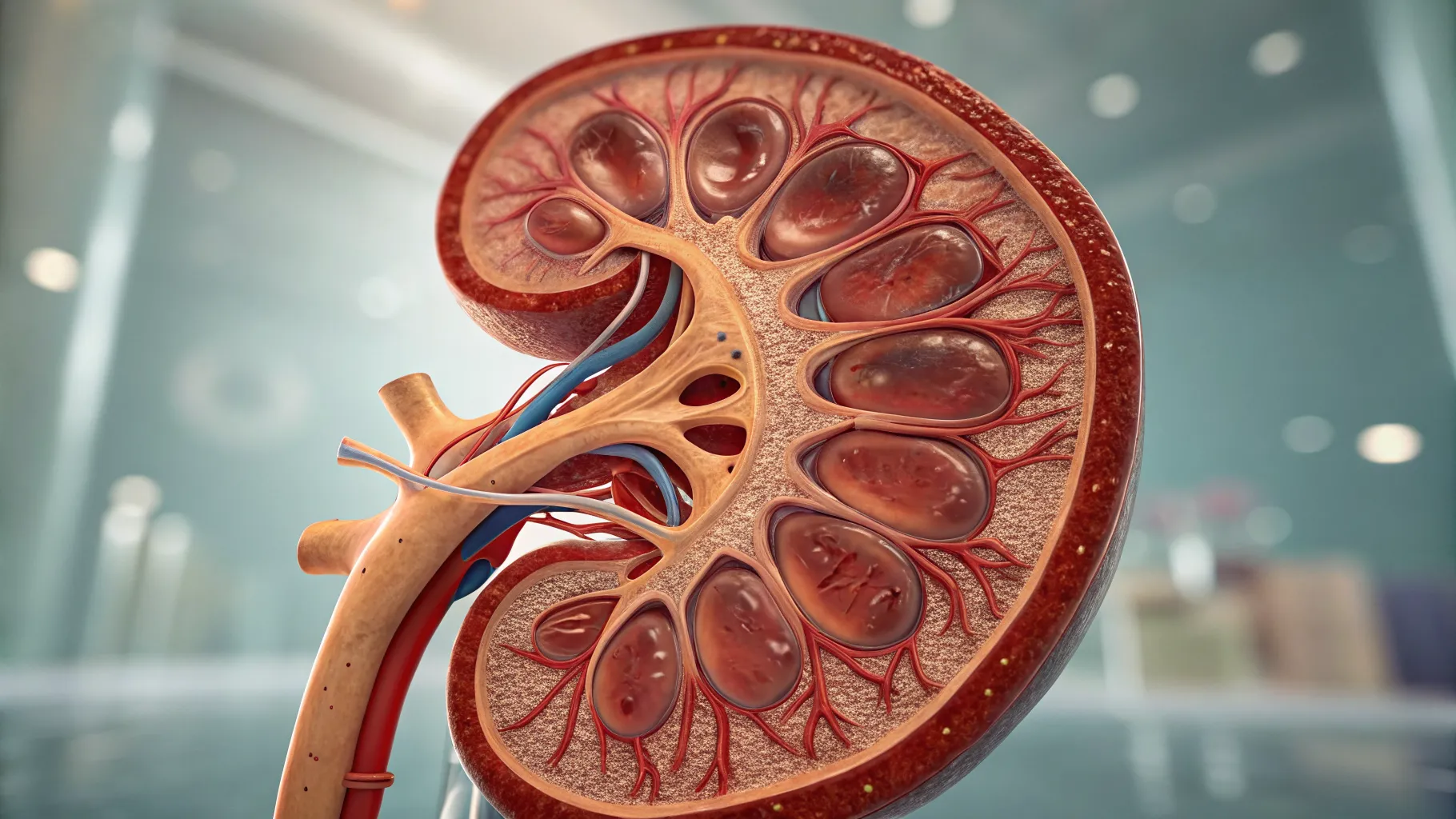
Diabetes mellitus, a condition characterized by high blood glucose levels, poses a significant threat to various organs, with the kidneys being particularly vulnerable. Understanding how diabetes affects kidney function is the first and most critical step toward prevention and management. Over time, elevated blood sugar can damage the millions of tiny filtering units within your kidneys, known as glomeruli. This damage, called diabetic nephropathy or diabetic kidney disease, impairs the kidneys' ability to filter waste products from the blood, leading to a gradual decline in renal function that can ultimately result in kidney failure. This process is often silent in its early stages, making regular screening essential for anyone with diabetes.
The Pathophysiological Mechanism: How Glucose Damages the Kidneys
The core issue explaining how diabetes affects kidney function lies in the physiological stress that high blood sugar (hyperglycemia) places on the renal system. The kidneys work harder to filter the excess glucose from the blood, a process called hyperfiltration. This initial overwork can cause long-term damage and scarring to the delicate glomeruli. Furthermore, high blood sugar contributes to high blood pressure (hypertension), which is another major risk factor for kidney disease. The combination of hyperglycemia and hypertension creates a destructive cycle, damaging blood vessels throughout the body, including those in the kidneys. This damage leads to the leakage of important proteins like albumin into the urine, a key early sign of diabetic kidney disease.
Stages of Diabetic Nephropathy: A Progressive Decline
The progression of diabetic kidney disease is typically gradual and is often categorized into five stages. The early stages are characterized by microalbuminuria, where small amounts of the protein albumin leak into the urine. This is a critical juncture where intervention can significantly slow disease progression. As the condition worsens, it progresses to macroalbuminuria, with larger amounts of protein loss. In the later stages, the kidneys' filtering ability, measured by the estimated glomerular filtration rate (eGFR), declines significantly. Understanding this progression is fundamental to comprehending how diabetes affects kidney function over a lifetime. Without proper management, this decline continues until it reaches end-stage renal disease (ESRD), where the kidneys can no longer function adequately, necessitating dialysis or a kidney transplant for survival.
Recognizing Symptoms and Seeking Diagnosis
One of the most dangerous aspects of diabetic kidney disease is its asymptomatic nature in the early stages. Symptoms often don't appear until significant, irreversible damage has occurred. When symptoms do manifest, they can include swelling in the legs and ankles (edema), increased urination, fatigue, nausea, and shortness of breath. Because of this, routine screening is paramount for early detection. The two primary tests used to diagnose and monitor the condition are the urine albumin-to-creatinine ratio (UACR) test, which checks for albumin in the urine, and a blood test to calculate the eGFR. These tests provide a clear picture of kidney health and are essential tools for managing how diabetes affects kidney function.
Proactive Strategies to Protect Your Kidney Health
While the diagnosis can be daunting, there are powerful, proactive steps you can take to protect your kidneys. The foundation of prevention and management is strict control of blood sugar and blood pressure. By working closely with your healthcare provider, you can mitigate the primary forces that damage your kidneys. Here are some actionable strategies:
- Maintain Target Blood Glucose Levels: Consistently monitor your blood sugar and adhere to your prescribed medication, diet, and exercise plan. Keeping your A1c levels within the target range recommended by your doctor is the single most effective way to slow the progression of kidney disease.
- Control Blood Pressure: High blood pressure accelerates kidney damage. Medications such as ACE inhibitors and ARBs are often prescribed as they have a protective effect on the kidneys in people with diabetes. A low-sodium diet and regular physical activity are also crucial.
- Follow a Kidney-Friendly Diet: A registered dietitian can help create a meal plan that is low in sodium, phosphorus, and potassium, and manages protein intake. This helps reduce the workload on your kidneys and is a key part of managing how diabetes affects kidney function.
- Avoid NSAIDs: Nonsteroidal anti-inflammatory drugs like ibuprofen and naproxen can be harmful to the kidneys, especially when function is already impaired. Consult your doctor for safer pain relief options.
- Regular Screenings: Commit to annual or more frequent urine and blood tests to monitor your kidney function. Early detection allows for more effective intervention.
Frequently Asked Questions
Can kidney damage from diabetes be reversed?
In the very early stages (microalbuminuria), intensive management of blood sugar and blood pressure can sometimes stabilize or even slightly reverse the damage. However, once significant scarring has occurred and kidney function has declined, the damage is generally considered irreversible. The goal of treatment then becomes to slow the progression of the disease and prevent further damage.
How often should I be tested for kidney disease if I have diabetes?
It is generally recommended that individuals with type 2 diabetes get tested annually, starting at the time of their diagnosis. For those with type 1 diabetes, annual screening should begin five years after their diagnosis. Your doctor may recommend more frequent testing if initial results show signs of kidney disease.
What is the best diet for someone trying to manage how diabetes affects kidney function?
The best diet is highly individualized and should be developed with a healthcare provider or registered dietitian. Generally, it involves managing carbohydrate intake to control blood sugar, limiting sodium to control blood pressure, and managing protein, potassium, and phosphorus intake to reduce the strain on the kidneys. Whole foods, lean proteins, and plenty of vegetables are typically encouraged.
References
- National Institute of Diabetes and Digestive and Kidney Diseases (NIDDK)
- American Diabetes Association (ADA) - Standards of Medical Care in Diabetes
- Centers for Disease Control and Prevention (CDC) - Chronic Kidney Disease Initiative
- National Kidney Foundation (NKF) - Diabetes and Kidney Disease