
How Diet Affects Cholesterol Levels: A 2025 Guide to Heart Health
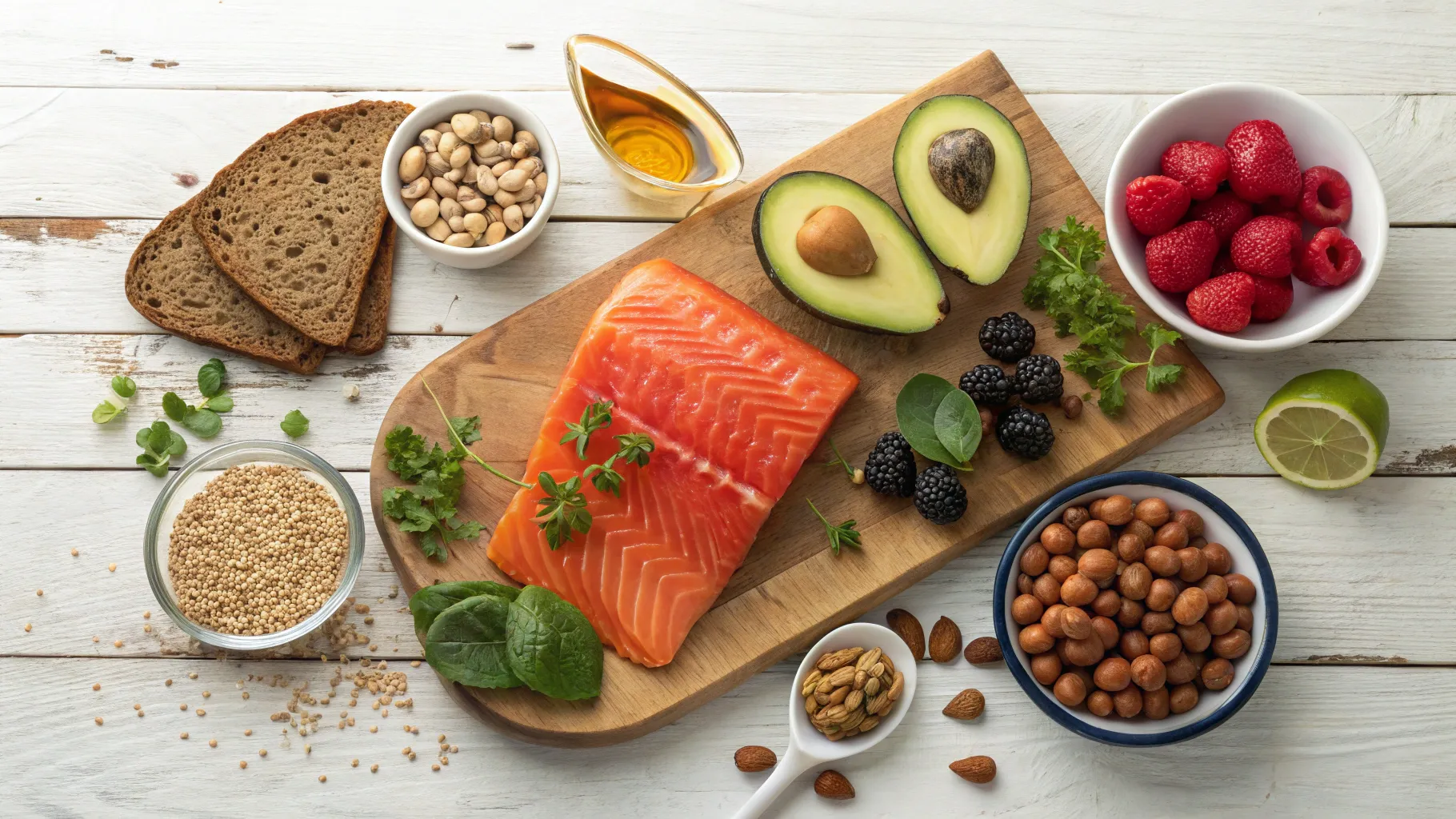
Understanding the link between what you eat and your cholesterol numbers is a cornerstone of cardiovascular health. As we navigate 2025, the science continues to reinforce that dietary choices play a pivotal role in managing cholesterol. This guide explores exactly how diet affects cholesterol levels, offering practical advice for a heart-healthy lifestyle.
Understanding Cholesterol: The Good and The Bad
Before diving into dietary specifics, it's essential to understand cholesterol itself. It's a waxy substance found in your blood that your body needs to build healthy cells. However, high levels can increase your risk of heart disease. There are two main types:
- Low-density lipoprotein (LDL): Often called "bad" cholesterol, high levels of LDL can lead to the buildup of plaque in your arteries, a condition known as atherosclerosis.
- High-density lipoprotein (HDL): Known as "good" cholesterol, HDL helps carry LDL cholesterol away from the arteries and back to the liver, where it's broken down and removed from the body.
The goal is to lower LDL and raise HDL, and your diet is a powerful tool to achieve this balance.
How Diet Affects Cholesterol Levels: The Core Connection
The connection between diet and cholesterol is direct. Certain foods contain fats and carbohydrates that can influence how much cholesterol your body produces and how it's processed. The primary dietary culprits that negatively impact cholesterol are saturated fats and trans fats. These fats prompt your liver to produce more LDL cholesterol. Conversely, other foods containing unsaturated fats, soluble fiber, and plant sterols can help lower LDL and improve your overall cholesterol profile. This is the fundamental principle of how diet affects cholesterol levels.
Foods That Raise Cholesterol: What to Limit in 2025
To manage your cholesterol effectively, it's crucial to limit your intake of certain foods. Awareness is the first step in making better choices.
Key Foods to Reduce:
- Saturated Fats: Found primarily in red meat, full-fat dairy products, butter, and tropical oils like coconut and palm oil.
- Trans Fats: Often found in fried foods, baked goods like cookies and crackers, and some margarines. Many food manufacturers have removed them, but it's still important to check labels for "partially hydrogenated oils."
- Highly Processed Foods: Foods high in sugar and refined carbohydrates can also indirectly impact cholesterol levels by contributing to weight gain and inflammation.
Foods That Lower Cholesterol: A Heart-Healthy Shopping List
Fortunately, many delicious foods can actively help lower your cholesterol. Building your meals around these options is a proactive step for heart health.
Key Foods to Emphasize:
- Soluble Fiber: Foods like oats, barley, apples, Brussels sprouts, and beans are rich in soluble fiber, which can reduce the absorption of cholesterol into your bloodstream.
- Unsaturated Fats: Avocados, nuts (like almonds and walnuts), and vegetable oils (like olive and canola oil) contain healthy fats that can improve cholesterol levels.
- Omega-3 Fatty Acids: Fatty fish such as salmon, mackerel, and herring are high in omega-3s, which don't directly lower LDL but have other heart benefits, including reducing blood pressure.
- Foods with Plant Sterols/Stanols: These compounds, found in plants, help block cholesterol absorption. Some foods like certain orange juices, yogurts, and margarines are fortified with them.
Creating a Cholesterol-Friendly Diet Plan
Putting it all together doesn't have to be complicated. The key is focusing on whole, unprocessed foods. A diet rich in fruits, vegetables, whole grains, and lean proteins is the foundation. Small changes, like switching from butter to olive oil or choosing oatmeal for breakfast, can make a significant difference. Understanding how diet affects cholesterol levels empowers you to take control of your health, one meal at a time. Always consult with a healthcare provider or registered dietitian before making significant changes to your diet, especially if you have existing health conditions.
References:
https://www.heart.org/en/health-topics/cholesterol/prevention-and-treatment-of-high-cholesterol-hyperlipidemia
https://www.mayoclinic.org/diseases-conditions/high-blood-cholesterol/in-depth/cholesterol/art-20045192
https://www.health.harvard.edu/heart-health/11-foods-that-lower-cholesterol