
How Hormones Affect Overall Health: A Comprehensive 2025 Guide
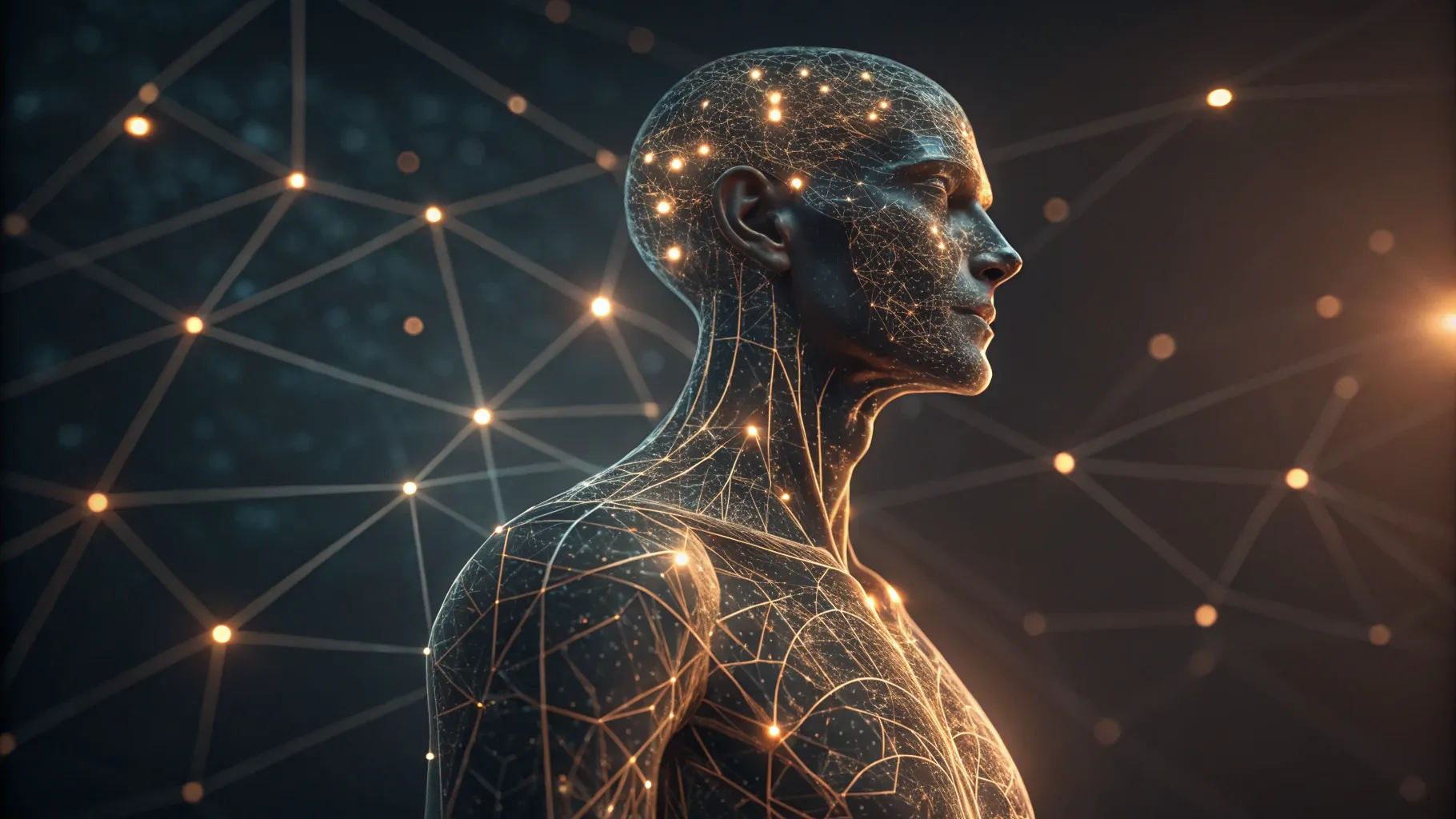
Hormones are the body's powerful chemical messengers, produced by the endocrine system to control nearly every major bodily function. From your metabolism and mood to your sleep cycles and reproductive health, their influence is profound. Understanding how hormones affect overall health is the first step toward optimizing your well-being and recognizing when something might be amiss. As we move through 2025, a greater focus on proactive health management makes this knowledge more critical than ever.
What Are Hormones and Why Do They Matter?
Hormones travel through your bloodstream to tissues and organs, delivering signals that tell them what to do and when. This intricate communication network, the endocrine system, includes glands like the pituitary, thyroid, adrenals, pancreas, and reproductive organs. They work in a delicate balance to regulate growth, development, metabolism, and mood. When this balance is disrupted, it can have a significant impact, demonstrating just how hormones affect overall health in a direct and tangible way.
Key Areas Influenced by Hormonal Balance
The question of how hormones affect overall health can be answered by looking at their diverse roles. They are responsible for managing a wide range of critical functions that dictate your daily experience and long-term health trajectory.
Metabolism and Weight Management
Hormones like insulin and cortisol, as well as those produced by the thyroid gland (T3 and T4), play a central role in regulating your metabolism. An imbalance can lead to unexplained weight gain or loss, changes in appetite, and difficulties managing blood sugar levels.
Mood and Mental Well-being
Your emotional state is heavily influenced by hormones. Cortisol, the 'stress hormone', can contribute to anxiety when elevated, while fluctuations in estrogen and testosterone can lead to mood swings. Serotonin, often called a 'happy hormone', is crucial for feelings of well-being and happiness.
Sleep Cycles
The hormone melatonin, produced by the pineal gland, governs your sleep-wake cycle, or circadian rhythm. Its production is influenced by light exposure, signaling to your body when it's time to rest. Disruptions in melatonin can lead to insomnia and poor sleep quality, impacting energy levels and cognitive function.
Recognizing the Signs of Hormonal Imbalance
Since hormones are so integral to your body's systems, an imbalance can manifest in numerous ways. It's important to be aware of potential signs, though they can also be symptoms of other conditions. Key indicators include:
- Persistent fatigue or low energy
- Unexplained weight changes
- Mood swings, anxiety, or depression
- Difficulty sleeping
- Changes in appetite or digestion
- Skin problems like acne or dry skin
- Reduced libido
- Irregular menstrual cycles
Proactive Steps to Support Hormonal Health
While some hormonal changes are a natural part of life, such as those during puberty, pregnancy, and menopause, lifestyle choices play a significant role in maintaining balance. Here are some strategies to support your endocrine system and improve your understanding of how hormones affect overall health.
Adopt a Nutrient-Dense Diet
Focus on a balanced diet rich in whole foods. Healthy fats (from avocados, nuts, and seeds), adequate protein, and fiber are essential for hormone production and regulation. Limiting processed foods, sugar, and excessive caffeine can also help.
Prioritize Regular Physical Activity
Consistent exercise is a powerful tool for hormonal balance. It can help regulate insulin levels, reduce cortisol, and boost mood-enhancing endorphins. Aim for a mix of cardiovascular exercise, strength training, and flexibility work.
Manage Stress and Prioritize Sleep
Chronic stress leads to elevated cortisol, which can disrupt other hormones. Incorporate stress-reduction techniques like mindfulness, yoga, or spending time in nature. Furthermore, aim for 7-9 hours of quality sleep per night to allow your body and hormones to regulate effectively.
References:
https://www.niddk.nih.gov/health-information/endocrine-diseases
https://www.endocrinesociety.org/patient-engagement/endocrine-library/hormones-and-health
https://www.mayoclinic.org/diseases-conditions/hormonal-imbalance/symptoms-causes/syc-20351989