How People Are Getting Whiter Teeth So Quickly
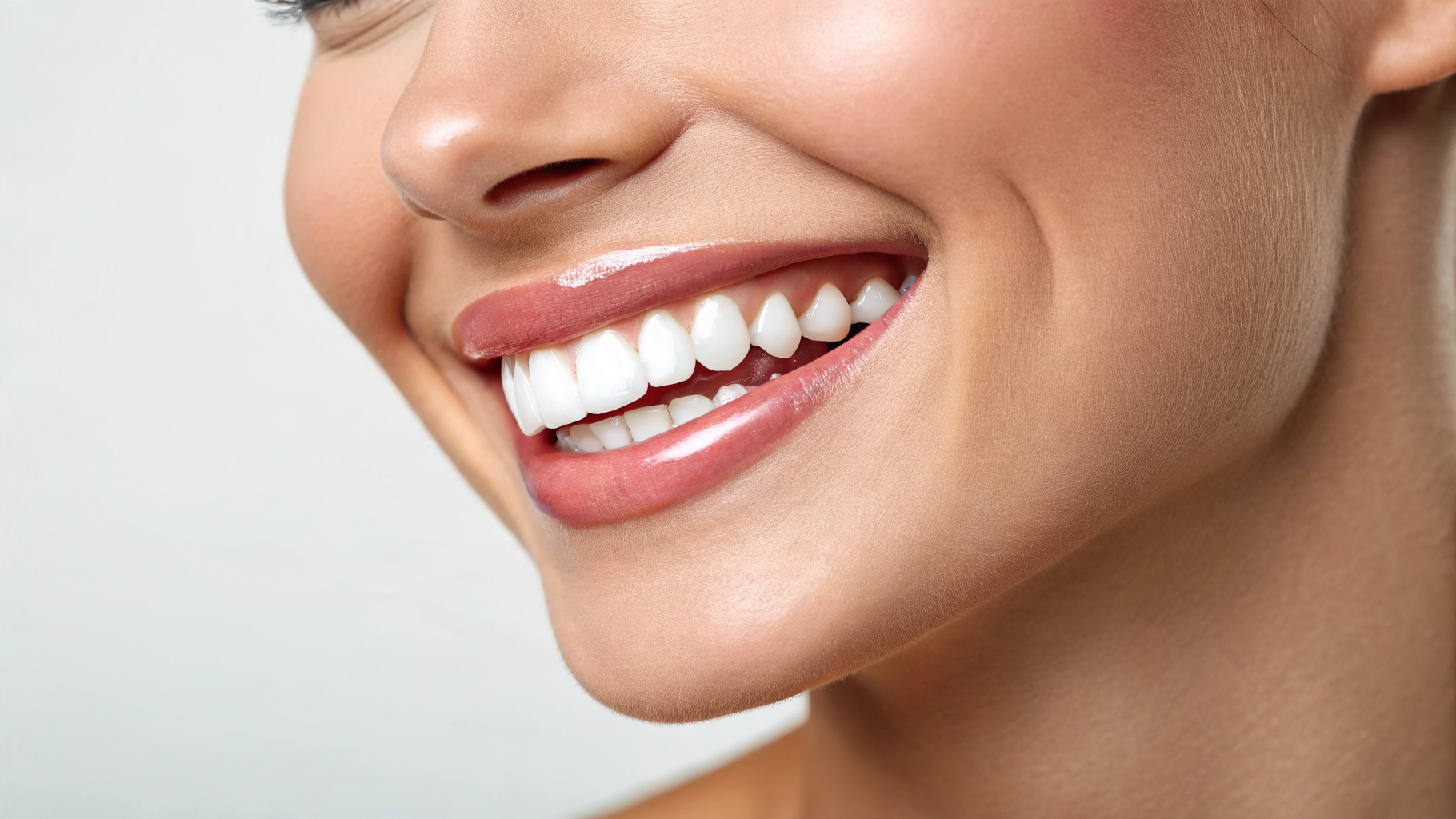
In recent years, achieving a noticeably whiter smile has become faster and more accessible than ever before. What once required weeks of consistent application can now often be accomplished in a single dental visit or with a few days of at-home care. This rapid transformation is due to significant advancements in both professional dental procedures and consumer-grade products, making a brighter smile a realistic goal for many.
Professional In-Office Whitening
One of the quickest ways to achieve a dramatically whiter smile is through professional in-office whitening treatments administered by a dentist. These procedures use high-concentration bleaching gels, typically containing hydrogen peroxide, that are carefully applied to the teeth. Because the process is supervised by a dental professional, higher-strength agents can be used safely and effectively.
To accelerate the whitening process, dentists often use a special light or laser aimed at the teeth after the gel is applied. This light activates the hydrogen peroxide, helping it to break down stains more quickly. A single session, which usually lasts about an hour, can lighten teeth by several shades, offering immediate and significant results that are difficult to achieve with other methods.
Dentist-Dispensed Take-Home Kits
For those who prefer to whiten their teeth in the comfort of their own home but still want professional-grade results, dentists offer custom take-home kits. These kits are a step above over-the-counter options because they include custom-molded trays that fit your teeth perfectly. This snug fit ensures that the whitening gel is applied evenly and remains in constant contact with the tooth surfaces, preventing gum irritation.
The whitening gel provided in these kits is also stronger than what is available in stores, though typically less potent than the gel used for in-office treatments. Users apply the gel in the trays and wear them for a specified period each day, often for one to two weeks. While the results are more gradual than a single in-office session, this method is highly effective and often produces more dramatic and lasting results than store-bought alternatives.
Advanced Over-the-Counter Products
The consumer market has also seen a surge in sophisticated whitening products that promise quicker results. Modern whitening strips, for example, feature improved adhesion technology and higher concentrations of safe bleaching agents. Many brands now offer express or one-hour treatments that can produce a noticeable difference in a short amount of time.
Another popular innovation is the at-home LED whitening kit. These systems combine a whitening gel with a handheld blue LED light device. The user applies the gel to their teeth (or into a generic tray) and then holds the light in front of their mouth for a set period. The theory is that the LED light helps to activate and speed up the chemical reaction of the whitening agent, similar to professional treatments but at a much lower intensity.
The Science Behind Rapid Whitening
The key to most teeth whitening treatments is an active ingredient, either hydrogen peroxide or carbamide peroxide. Carbamide peroxide breaks down into hydrogen peroxide as part of the whitening process. These molecules penetrate the porous outer layer of the tooth, the enamel, and start a chemical process called oxidation. This process breaks apart the colored compounds that cause stains, leaving the teeth looking brighter and whiter.
The speed of modern whitening comes from enhancing the efficiency of this chemical reaction. Higher concentrations of the active ingredient work faster, which is why professional treatments are so quick. Additionally, the use of light or laser energy in a dental office adds energy to the peroxide molecules, accelerating the breakdown of stains and delivering rapid results.
What to Consider Before Whitening
While teeth whitening is generally considered safe, it is not suitable for everyone. One of the most common side effects is temporary tooth sensitivity or gum irritation. This usually subsides shortly after treatment, and dentists can recommend desensitizing toothpaste or gels to help manage any discomfort. It is also important to have a dental check-up before starting any whitening regimen to ensure your teeth and gums are healthy.
Furthermore, whitening treatments only work on natural tooth enamel. They will not change the color of dental restorations such as crowns, veneers, bonding, or fillings. If you have these types of restorations on your front teeth, whitening could result in an uneven color. Discoloration caused by medication (like tetracycline) or tooth injury may also not respond well to surface bleaching treatments.
Maintaining Your Whiter Smile
After achieving your desired shade, the next step is maintenance, as the results are not permanent. The longevity of your whitened smile depends largely on lifestyle and oral hygiene habits. Consuming foods and beverages that are known to cause stains can cause the brightness to fade more quickly.
To help keep your teeth looking their best for as long as possible, consider the following tips:
- Limit consumption of staining substances like coffee, tea, red wine, and dark berries.
- Rinse your mouth with water after consuming staining foods or drinks.
- Practice excellent oral hygiene, including brushing twice a day and flossing daily.
- Consider using a whitening toothpaste a few times a week to help remove surface stains.
- Schedule periodic touch-up treatments, either at home or with your dentist, as needed.