
How to Cut Your Chances of Getting Sick from Respiratory Viruses This Winter
Fast Facts:
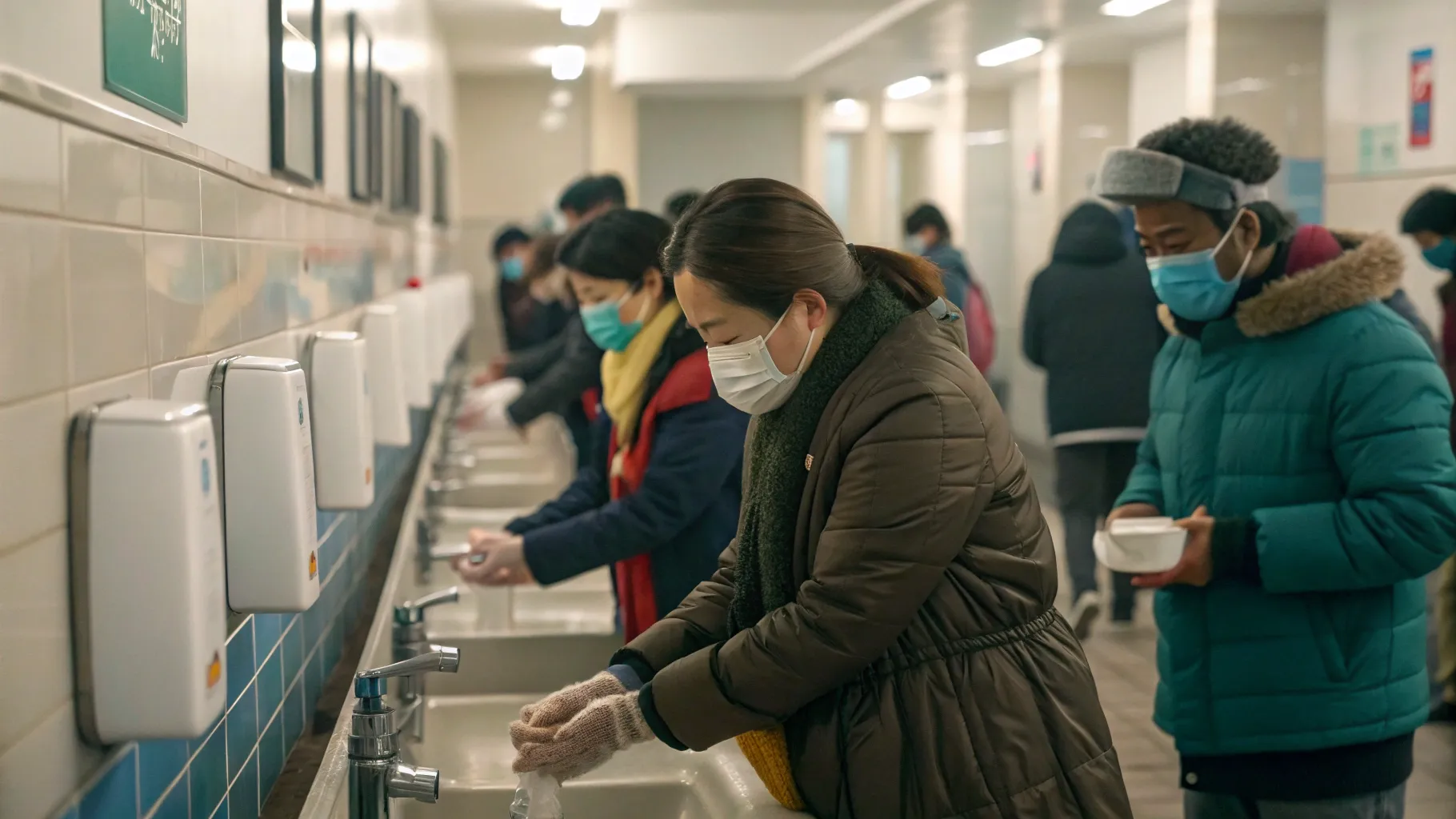
- Prevention: Handwashing reduces virus spread.
- Increased virus activity for vulnerable populations.
Key Strategies for Winter Wellness and Virus Prevention
As winter approaches, many wonder, "Do we really fall ill more frequently in winter, or is it just all this travel?" While travel can certainly play a role, colder temperatures and indoor gatherings create a prime environment for respiratory viruses to spread. Understanding how to proactively protect yourself and your family is crucial to enjoying a healthier season. This guide outlines essential steps to significantly cut your chances of getting sick from common winter illnesses.
Key Benefits of Proactive Health Measures
- Minimizes disruption to daily life and work.
- Protects vulnerable family members from severe illness.
- Reduces healthcare costs associated with treatment.
- Empowers you with knowledge on how to reduce your chances of getting sick.
- Enhances overall well-being and energy levels throughout the season.
When considering preventive measures, it's important to compare various options. While natural remedies like vitamin C and zinc may offer some support, they are not substitutes for proven methods like vaccination, frequent handwashing, and avoiding sick individuals. Combining these evidence-based approaches provides a much stronger defense against respiratory viruses than relying solely on dietary supplements or unverified cures.
Essential Winter Health Checklist
- Wash hands frequently with soap and water for at least 20 seconds.
- Avoid touching your face, especially eyes, nose, and mouth.
- Get vaccinated for influenza and stay up-to-date on other recommended immunizations.
- Maintain good ventilation in indoor spaces.
- Clean and disinfect high-touch surfaces regularly.
- Stay home when feeling unwell to prevent spread to others.
- Ensure adequate sleep and manage stress to support your immune system.
Frequently Asked Questions
How do I reduce my chances of getting sick?
To significantly reduce your chances of getting sick, focus on frequent hand hygiene, avoiding close contact with sick individuals, wearing a mask in crowded indoor settings, getting recommended vaccinations, and maintaining a healthy lifestyle with adequate sleep and nutrition.
What do I do if I am sick?
If you are sick, prioritize resting at home to recover and prevent spreading the illness. Stay hydrated, use over-the-counter medications to manage symptoms like fever or cough, and avoid contact with others. If symptoms worsen or become severe, seek medical advice.
Should I get tested?
Whether you should I get tested depends on your symptoms, local health guidelines, and potential exposure. Testing can confirm the type of respiratory virus and help guide treatment, especially for vulnerable individuals or those who might benefit from antiviral medications. Consult your healthcare provider for personalized advice.
What if I have a fever?
If you have a fever, it's a sign your body is fighting an infection. Rest, stay hydrated, and use fever-reducing medications like acetaminophen or ibuprofen as directed. Monitor your temperature and other symptoms. If the fever is high, persistent, or accompanied by severe symptoms, contact a doctor.
What about for older kids and adults?
For older kids and adults, many of the same preventive measures apply, including vaccinations, hand hygiene, and avoiding sick contacts. They should also be aware of specific risk factors, such as underlying health conditions, which might require extra precautions or prompt medical attention if they fall ill. It's important to stay informed about recommended health screenings and vaccinations for their age group.
References
- Centers for Disease Control and Prevention (CDC)
- World Health Organization (WHO)
- National Institutes of Health (NIH)