
How To Get A Brighter Smile With Simple Home Solutions
Many people desire a brighter, more confident smile, and achieving this goal doesn't always require expensive professional treatments. A combination of good oral hygiene, dietary awareness, and simple home-based solutions can make a significant difference in the appearance of your teeth. Understanding the causes of discoloration is the first step toward finding the right methods for you.
Understanding Tooth Discoloration
Before exploring solutions, it's helpful to know what causes teeth to lose their natural brightness. Tooth stains generally fall into two categories: extrinsic and intrinsic. Extrinsic stains appear on the surface of the enamel, which is the outer layer of the tooth. These are typically caused by pigments from dark-colored foods and beverages or from tobacco use.
Intrinsic stains occur within the tooth's inner structure, called the dentin, making them more difficult to remove. These can result from aging, trauma to the tooth, certain medications, or excessive fluoride exposure during childhood. While home remedies are most effective on extrinsic stains, consistent good habits can help prevent both types from worsening.
The Role of Diet in a Whiter Smile
What you eat and drink plays a significant role in the color of your teeth. Certain foods and beverages are notorious for causing stains due to their strong pigments, acidity, and tannins. Common culprits include coffee, tea, red wine, dark berries, and tomato-based sauces. Limiting your consumption of these items can help prevent new stains from forming.
On the other hand, some foods can actually help keep your teeth clean. Crunchy fruits and vegetables like apples, celery, and carrots act as natural abrasives, scrubbing away surface stains as you chew. Dairy products like cheese and yogurt are rich in calcium and phosphates, which can help strengthen tooth enamel and protect against decay and discoloration.
Natural Whitening Agents Found in Your Kitchen
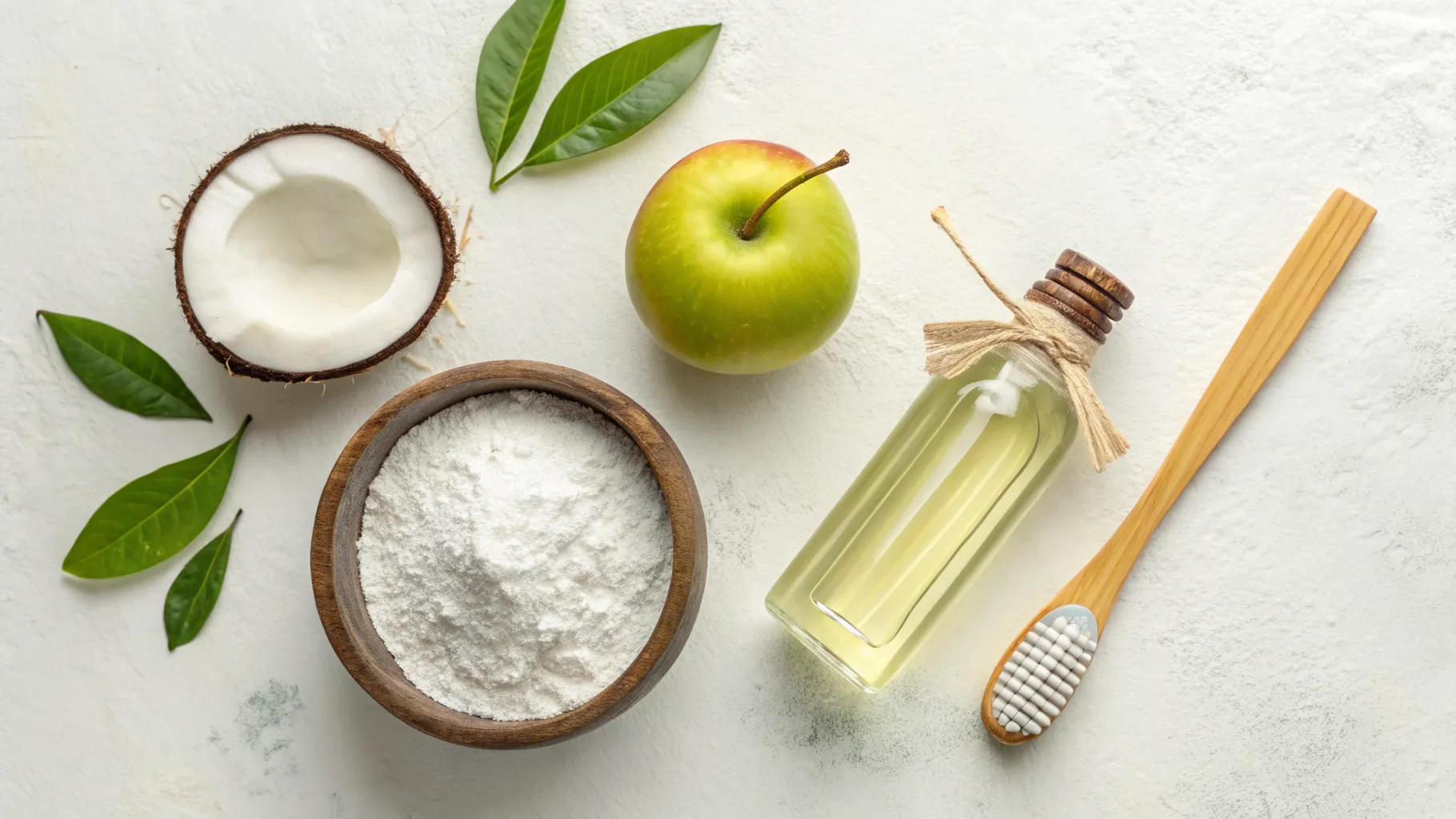
Some common household items may offer mild whitening benefits when used carefully. Baking soda, or sodium bicarbonate, is a popular ingredient in many commercial toothpastes due to its gentle abrasive properties. It can help scrub away surface stains on teeth. To use it, you can create a paste by mixing a small amount of baking soda with water and brushing gently for a minute or two. However, it's important not to overuse it, as its abrasiveness could potentially damage enamel over time.
Hydrogen peroxide is another substance known for its bleaching properties. It's an active ingredient in many whitening products, but it must be handled with extreme care at home. Using a heavily diluted, food-grade solution as a mouth rinse may help whiten teeth, but it can also cause gum irritation and tooth sensitivity if the concentration is too high or if used too frequently. It is always recommended to speak with a dental professional before using hydrogen peroxide as a whitening agent.
Oil Pulling for Oral Health
Oil pulling is an ancient folk remedy that involves swishing a tablespoon of oil, typically coconut, sesame, or sunflower oil, in your mouth for 15 to 20 minutes. The practice is believed to 'pull' bacteria from the mouth, which can help reduce plaque buildup and gingivitis. Proponents of oil pulling claim it can lead to a brighter smile as a side effect of improved oral hygiene.
While the direct whitening effects of oil pulling are not extensively proven by scientific studies, maintaining a cleaner mouth can certainly contribute to a better overall appearance. Coconut oil is a popular choice because it contains lauric acid, which is known for its ability to reduce inflammation and fight bacteria. If you try oil pulling, be sure to spit the oil into a trash can, not the sink, to avoid clogging your pipes.
Essential Oral Hygiene Practices
The foundation of any bright smile is a consistent and thorough oral hygiene routine. Brushing your teeth at least twice a day for two minutes is crucial for removing the plaque and food debris that can lead to yellowing. Using a soft-bristled toothbrush and proper technique helps protect your enamel from being worn down. Flossing daily is equally important, as it clears plaque and buildup from between the teeth and along the gumline where a toothbrush can't reach.
Many commercially available whitening toothpastes can also help. These products typically contain special mild abrasives to polish the teeth or low concentrations of chemicals that can break down stains. Incorporating an antiseptic mouthwash into your routine can also help kill bacteria that contribute to plaque. Remember that these products are most effective on surface stains and work best when combined with other healthy habits.
Lifestyle Habits to Adopt and Avoid
Certain lifestyle choices have a direct impact on the color of your teeth. Tobacco use, whether smoking or chewing, is one of the most common causes of deep-set, stubborn stains. Quitting tobacco is beneficial not only for your overall health but also for maintaining a whiter smile. Additionally, if you frequently drink stain-causing beverages, consider using a straw to minimize their contact with your front teeth.
Adopting positive habits can also make a big difference. Rinsing your mouth with water after eating or drinking can help wash away staining compounds and acids before they have a chance to settle on your enamel. Most importantly, scheduling regular check-ups and cleanings with your dentist is key. Professional cleanings can remove hardened plaque (tartar) and surface stains that home care cannot, leaving your smile healthier and visibly brighter.