
How to Get Rid of Nasal Polyps: A Comprehensive Guide to Treatment Options
Facts:
- Nasal polyps are noncancerous, teardrop-shaped growths.
- A rising trend in understanding chronic sinus issues affects those seeking nasal polyps treatment options.
Understanding the Root Causes of Chronic Sinus Polyps
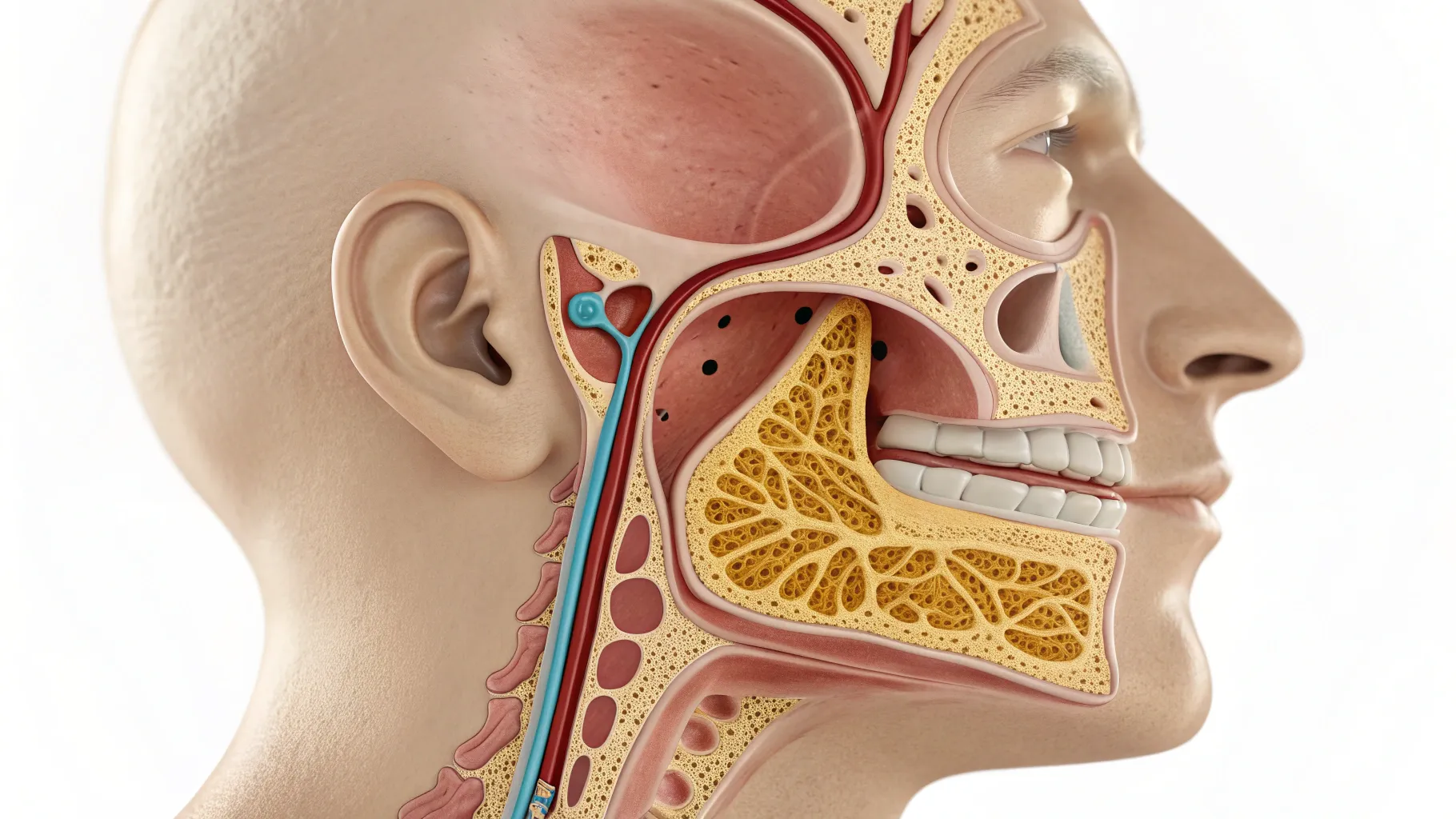
Nasal polyps are soft, painless, noncancerous growths on the lining of your nasal passages or sinuses. They hang down like teardrops or grapes and result from chronic inflammation. While the exact cause is unknown, they are often linked to conditions like asthma, recurring infections, allergies, drug sensitivity, or certain immune disorders. Understanding how to get rid of nasal polyps begins with identifying these underlying triggers. These growths can block your nasal passages, leading to breathing difficulties, a lost sense of smell, and frequent infections. Exploring various nasal polyps treatment options is crucial for managing symptoms and improving quality of life. Many individuals also look into ways to shrink nasal polyps naturally as a complementary approach to conventional methods.
Comprehensive Medical Treatment for Nasal Polyps
When it comes to the medical treatment for nasal polyps, several effective strategies are available, often prescribed by an otolaryngologist (ENT specialist). The primary goal of these treatments is to reduce the size of the polyps or eliminate them completely, thereby relieving symptoms. The most common first-line approach is the use of corticosteroid nasal sprays. These sprays can help reduce inflammation and shrink the polyps over time. For more severe cases, a doctor might prescribe oral corticosteroids, like prednisone, for a short period to provide more significant and faster relief. However, long-term use is generally avoided due to potential side effects. Another significant advancement in chronic sinus polyps treatment is the introduction of biologic drugs, such as dupilumab. These injectable medications target specific inflammatory pathways and are highly effective for patients with severe, recurrent polyps who haven't responded to other treatments. This targeted approach represents a major step forward in managing this persistent condition.
How to Shrink Nasal Polyps Naturally: Home and Herbal Remedies
Many people seek ways to shrink nasal polyps naturally alongside medical interventions. While these methods are not a replacement for professional medical advice, they can provide symptomatic relief and support overall sinus health. One popular method is nasal irrigation using a saline solution with a neti pot or squeeze bottle. This helps to rinse away allergens and irritants, moisturize the nasal passages, and reduce inflammation. Adding a drop or two of tea tree oil, known for its anti-inflammatory and antimicrobial properties, to a steam inhalation can also be beneficial. Simply add the oil to a bowl of hot water, cover your head with a towel, and inhale the steam for several minutes. Additionally, dietary changes can play a role. Consuming foods rich in anti-inflammatory compounds, such as omega-3 fatty acids found in fish and flavonoids in fruits and vegetables, may help manage the underlying inflammation associated with chronic sinus polyps treatment. It is important to remember that these natural remedies are part of a broader strategy for learning how to get rid of nasal polyps and should be discussed with a healthcare provider.
Surgical Nasal Polyps Treatment Options Explained
If medication and other conservative treatments are not effective, surgery may be recommended as a definitive solution. The most common surgical procedure is endoscopic sinus surgery. During this minimally invasive procedure, a surgeon uses a small tube with a magnifying lens and tiny instruments (an endoscope) to remove the polyps and other obstructions in the sinuses. This approach allows for a precise removal of the polyps while preserving healthy tissue. The surgery aims to not only remove the growths but also to open up the sinus passages, improving drainage and ventilation, which can help prevent recurrence. This is a critical component of long-term chronic sinus polyps treatment. After surgery, patients are typically advised to continue using corticosteroid nasal sprays and saline rinses to prevent the polyps from growing back. For many, surgery provides significant, long-lasting relief and is a key step in understanding how to get rid of nasal polyps when other methods fail.
Comparing Medical vs. Natural Approaches for Nasal Polyps
When considering how to get rid of nasal polyps, patients often weigh the pros and cons of medical versus natural approaches. The primary advantage of medical treatment for nasal polyps is its proven efficacy, supported by extensive clinical research. Corticosteroids and biologics can rapidly and significantly reduce polyp size and alleviate symptoms. Surgery offers a direct and often immediate solution for severe blockages. On the other hand, the appeal to shrink nasal polyps naturally lies in its non-invasive nature and minimal side effects. Saline rinses, steam inhalation, and dietary adjustments can improve sinus health and complement medical treatments. However, natural remedies alone are rarely sufficient to eliminate large or persistent polyps. The most effective strategy often involves an integrated approach: using medical treatments to control the polyps and incorporating natural methods to manage inflammation, reduce symptoms, and prevent recurrence. Consulting with a doctor is essential to create a personalized plan that combines the best of both worlds for effective nasal polyps treatment options.
Lifestyle Adjustments for Managing Chronic Sinus Polyps
Beyond direct treatments, certain lifestyle changes can significantly impact the management and prevention of nasal polyps. A crucial step is managing allergies and asthma effectively, as these conditions are major contributors to the chronic inflammation that causes polyps. Using a humidifier at home can help keep your nasal passages moist, reducing irritation. It is also important to avoid nasal irritants like tobacco smoke, chemical fumes, and dust. Practicing good hygiene, such as regular hand washing, can reduce the risk of viral or bacterial infections that can exacerbate sinus inflammation. For those exploring comprehensive nasal polyps treatment options, these lifestyle modifications are a foundational part of any long-term management plan. They support the effectiveness of both medical interventions and efforts to shrink nasal polyps naturally, creating a healthier sinus environment less prone to polyp formation.
Frequently Asked Questions
Can you permanently get rid of nasal polyps?
While some treatments can completely remove nasal polyps, there is a tendency for them to recur, especially if the underlying cause of inflammation isn't managed. A comprehensive plan involving various nasal polyps treatment options, including medication and possibly surgery, combined with managing allergies or asthma, offers the best chance for long-term relief.
What is the fastest way to shrink nasal polyps?
The fastest way to shrink nasal polyps is typically through a course of oral corticosteroids prescribed by a doctor. This form of medical treatment for nasal polyps can provide rapid and significant reduction in size and symptoms, although it's generally used for short-term relief due to potential side effects.
Are there any foods I should avoid if I have nasal polyps?
Some people find that certain foods can trigger inflammation. Common culprits include foods high in salicylates (found in some fruits, vegetables, and spices), alcohol, and processed foods with artificial additives. Reducing intake of these items can be a supportive part of learning how to get rid of nasal polyps by managing systemic inflammation.
Is surgery for chronic sinus polyps treatment painful?
Endoscopic sinus surgery is performed under anesthesia, so you won't feel pain during the procedure. Post-operative discomfort, congestion, and minor bleeding are common but can be managed with medication prescribed by your surgeon. Most patients report significant improvement in their symptoms after the recovery period.
References
- American Academy of Otolaryngology—Head and Neck Surgery Foundation.
- National Institute of Allergy and Infectious Diseases (NIAID).
- Journal of Allergy and Clinical Immunology.
- Mayo Clinic Patient Care & Health Information.