
How to Improve Circulation Naturally: Your 2025 Guide to Better Blood Flow
Poor circulation can lead to a variety of health issues, including numbness, tingling in the extremities, and fatigue. Fortunately, there are many effective strategies for how to improve circulation naturally. By making conscious lifestyle choices, you can enhance blood flow, delivering vital oxygen and nutrients throughout your body more efficiently. This guide explores practical and sustainable methods to boost your circulatory health in 2025.
The Role of Physical Activity in Boosting Blood Flow
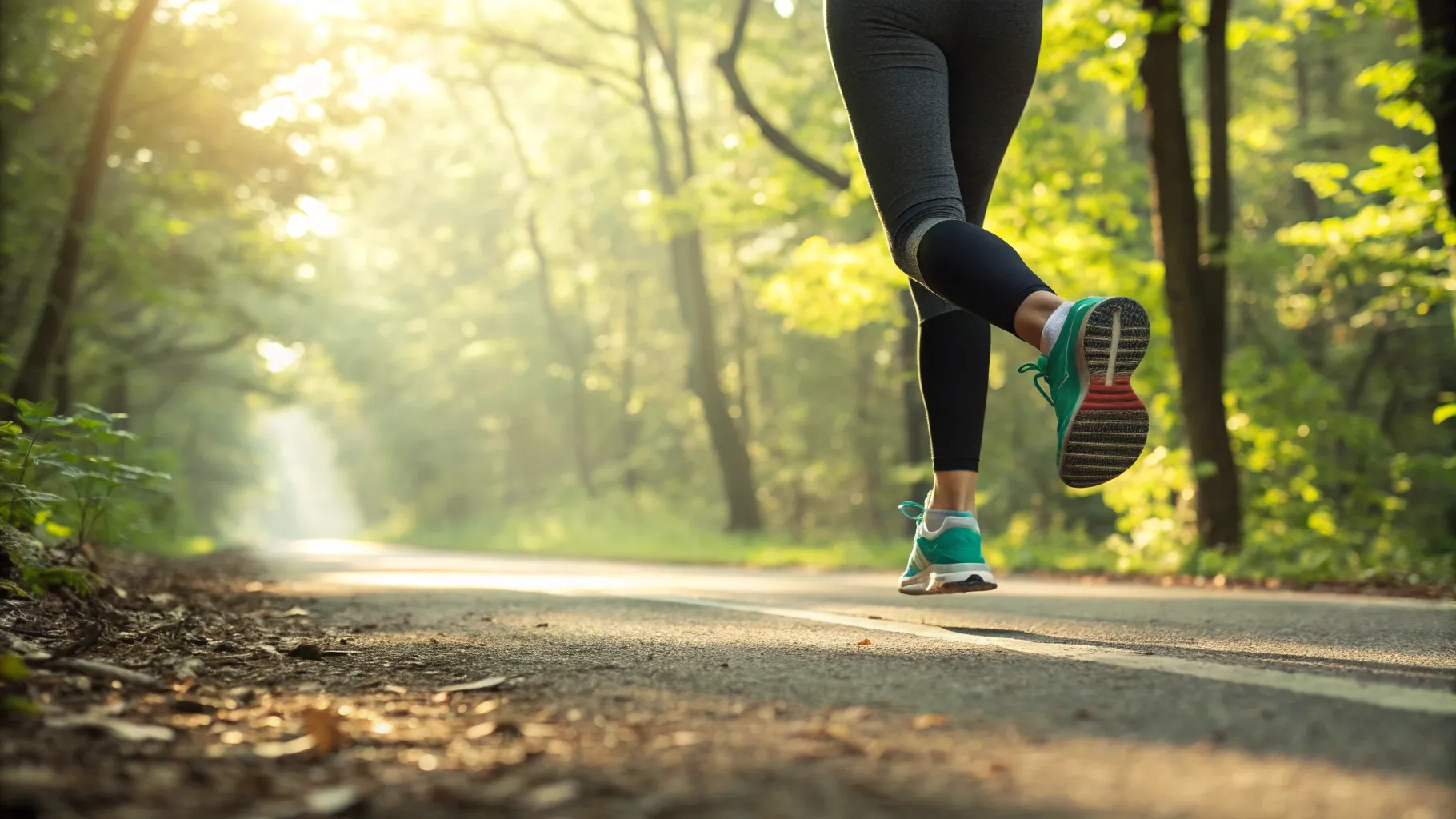
Regular movement is one of the most powerful tools for improving circulation. When you exercise, your heart pumps more forcefully, pushing blood through your arteries and veins at a higher rate. This not only strengthens your cardiovascular system but also encourages the formation of new blood vessels.
Effective Exercises for Circulation
- Cardiovascular Activities: Activities like brisk walking, running, swimming, and cycling are excellent for getting your heart rate up. Aim for at least 30 minutes of moderate-intensity cardio most days of the week.
- Stretching and Yoga: Poses and stretches help to release tension and improve flexibility, which can decompress blood vessels and improve flow. Yoga, in particular, combines movement with deep breathing, further enhancing oxygenation.
- Leg Exercises: Simple movements like calf raises, leg lifts, and squats specifically target the muscles in your lower body, helping to pump blood back up towards the heart.
Nutrition for Healthy Circulation: Foods to Embrace
What you eat plays a crucial role in the health of your circulatory system. A diet rich in specific nutrients can help reduce inflammation, lower blood pressure, and keep blood vessels flexible. Learning how to improve circulation naturally starts in the kitchen.
Key Foods for Better Blood Flow
- Leafy Greens: Spinach and kale are high in nitrates, which the body converts into nitric oxide, a potent vasodilator that widens blood vessels.
- Fatty Fish: Salmon, mackerel, and sardines are rich in omega-3 fatty acids, known to reduce inflammation and prevent plaque buildup in the arteries.
- Berries: Blueberries and strawberries are packed with antioxidants and flavonoids that support blood vessel health and function.
- Citrus Fruits: Oranges and lemons are excellent sources of vitamin C, which is vital for maintaining the integrity of blood vessel walls.
- Walnuts: These nuts contain alpha-linolenic acid (an omega-3) and L-arginine, which aids in nitric oxide production.
The Importance of Hydration for Optimal Blood Flow
Your blood is composed of about 50% water, making proper hydration essential for healthy circulation. When you are dehydrated, your blood volume decreases, causing it to thicken. This makes it harder for your heart to pump, slowing down circulation throughout your body. Aim to drink plenty of water throughout the day. Herbal teas like ginger or green tea can also contribute to your fluid intake while offering additional circulatory benefits.
Lifestyle Habits That Affect Your Circulatory System
Beyond diet and exercise, your daily habits have a significant impact on your circulation. Simple adjustments can make a world of difference. Understanding how to improve circulation naturally involves addressing both positive and negative habits.
Habits to Adopt and Avoid
- Quit Smoking: Nicotine is a vasoconstrictor, meaning it narrows your blood vessels and severely restricts blood flow. Quitting is the single best thing you can do for your circulatory health.
- Manage Stress: Chronic stress elevates cortisol levels, which can damage blood vessels over time. Practice stress-reducing techniques like meditation, deep breathing, or spending time in nature.
- Avoid Prolonged Sitting: Sitting for long periods can cause blood to pool in your legs. Stand up, stretch, and walk around for a few minutes every hour to keep your blood moving.
- Consider Compression Socks: If you sit or stand for long hours, compression socks can help prevent blood from pooling in your lower extremities and reduce swelling.
Natural Therapies and Practices for Circulation Support
Several natural therapies can complement your lifestyle changes and provide an extra boost to your circulatory system. These methods are often relaxing and promote overall well-being.
Supportive Therapies to Try
- Massage Therapy: A professional massage can help stimulate blood flow by manually moving blood through congested areas and releasing tight muscles that may be constricting vessels.
- Dry Brushing: Using a stiff-bristled brush to gently exfoliate the skin can stimulate the lymphatic system and surface-level blood circulation. Always brush towards the heart.
- Hydrotherapy: Alternating between hot and cold water in the shower can cause your blood vessels to expand and contract, which acts like a pump for your circulatory system.
References:
https://www.health.harvard.edu
https://my.clevelandclinic.org
https://www.webmd.com