
How to Manage High Blood Pressure Naturally: An Expert Guide
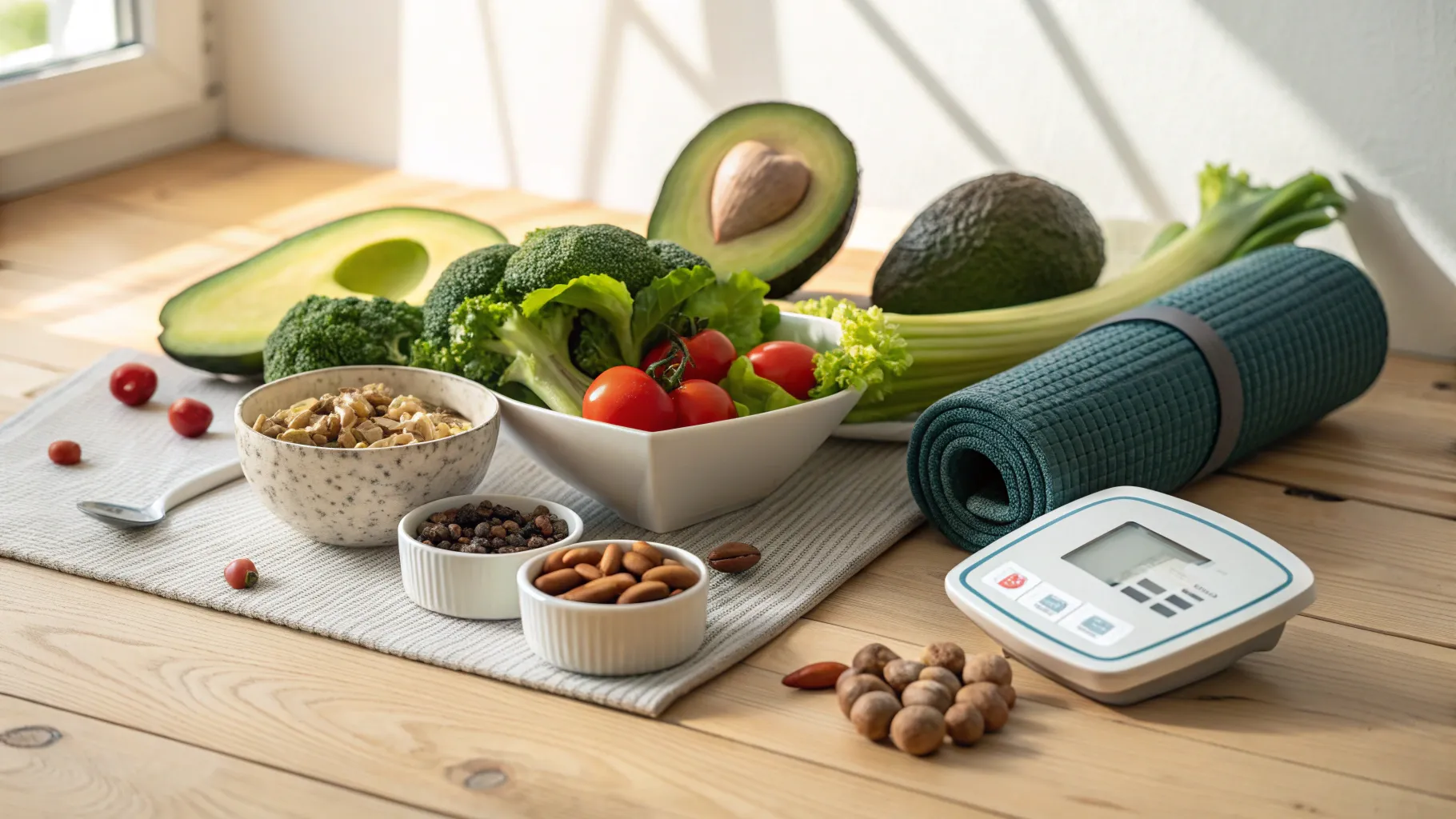
High blood pressure, or hypertension, is a common condition that can significantly impact your overall health. While medication is a common treatment, many are seeking information on how to manage high blood pressure naturally. Adopting a healthier lifestyle can be a powerful way to lower your numbers and reduce your risk of heart disease and stroke. This guide provides actionable, evidence-based strategies for natural blood pressure management.
Embrace a Heart-Healthy Diet
Your diet is a cornerstone of blood pressure control. The DASH (Dietary Approaches to Stop Hypertension) diet is specifically designed for this purpose. It emphasizes fruits, vegetables, whole grains, and lean proteins.
Key Dietary Adjustments:
- Reduce Sodium: Aim for less than 2,300 milligrams (mg) per day. Be mindful of processed foods, which are often high in hidden sodium.
- Boost Potassium: Potassium can lessen the effects of sodium on blood pressure. Good sources include bananas, potatoes, spinach, and avocados.
- Limit Processed Foods: Focus on whole, unprocessed foods to naturally lower your intake of sodium, unhealthy fats, and added sugars.
The Importance of Regular Physical Activity
Consistent physical activity makes your heart stronger, allowing it to pump blood with less effort. This reduces the force on your arteries and lowers your blood pressure. A key part of knowing how to manage high blood pressure naturally is incorporating movement into your daily routine.
Recommended Exercise:
- Aerobic Activity: Aim for at least 150 minutes of moderate-intensity activity, like brisk walking, cycling, or swimming, each week.
- Strength Training: Include muscle-strengthening activities at least two days per week.
- Consistency is Key: Regular, ongoing physical activity is necessary to keep your blood pressure down.
Master Stress Reduction Techniques
Chronic stress can contribute to high blood pressure. Finding healthy ways to cope with stress is a vital component of a natural management plan. When you're stressed, your body produces a surge of hormones that temporarily increase your blood pressure.
Effective Stress-Busting Strategies:
- Mindfulness and Meditation: Daily practice can help calm your nervous system and lower resting blood pressure.
- Deep Breathing Exercises: Simple, focused breathing can have an immediate calming effect.
- Engage in Hobbies: Spending time on activities you enjoy, like listening to music or gardening, can be a great way to de-stress.
Limit Alcohol and Quit Tobacco
Both alcohol and tobacco have a direct and negative impact on blood pressure. Even moderate drinking can raise blood pressure levels. If you drink, do so in moderation—up to one drink per day for women and up to two for men.
Smoking causes an immediate, temporary spike in blood pressure and heart rate. Over the long term, the chemicals in tobacco can damage the lining of your artery walls, leading to narrowing and increased blood pressure. Quitting is one of the most effective lifestyle changes for your heart health.
Monitor Your Blood Pressure at Home
Regularly monitoring your blood pressure at home can help you track your progress and provides your doctor with valuable information. It empowers you to see firsthand how lifestyle changes are working. This proactive approach is fundamental to understanding how to manage high blood pressure naturally and effectively. Ensure you use a validated machine and follow the proper technique for accurate readings.
References:
https://www.mayoclinic.org/diseases-conditions/high-blood-pressure/in-depth/high-blood-pressure/art-20046974
https://www.heart.org/en/health-topics/high-blood-pressure/changes-you-can-make-to-manage-high-blood-pressure
https://www.nhlbi.nih.gov/education/dash-eating-plan