
How to Prevent Osteoporosis: A Comprehensive Guide for 2025
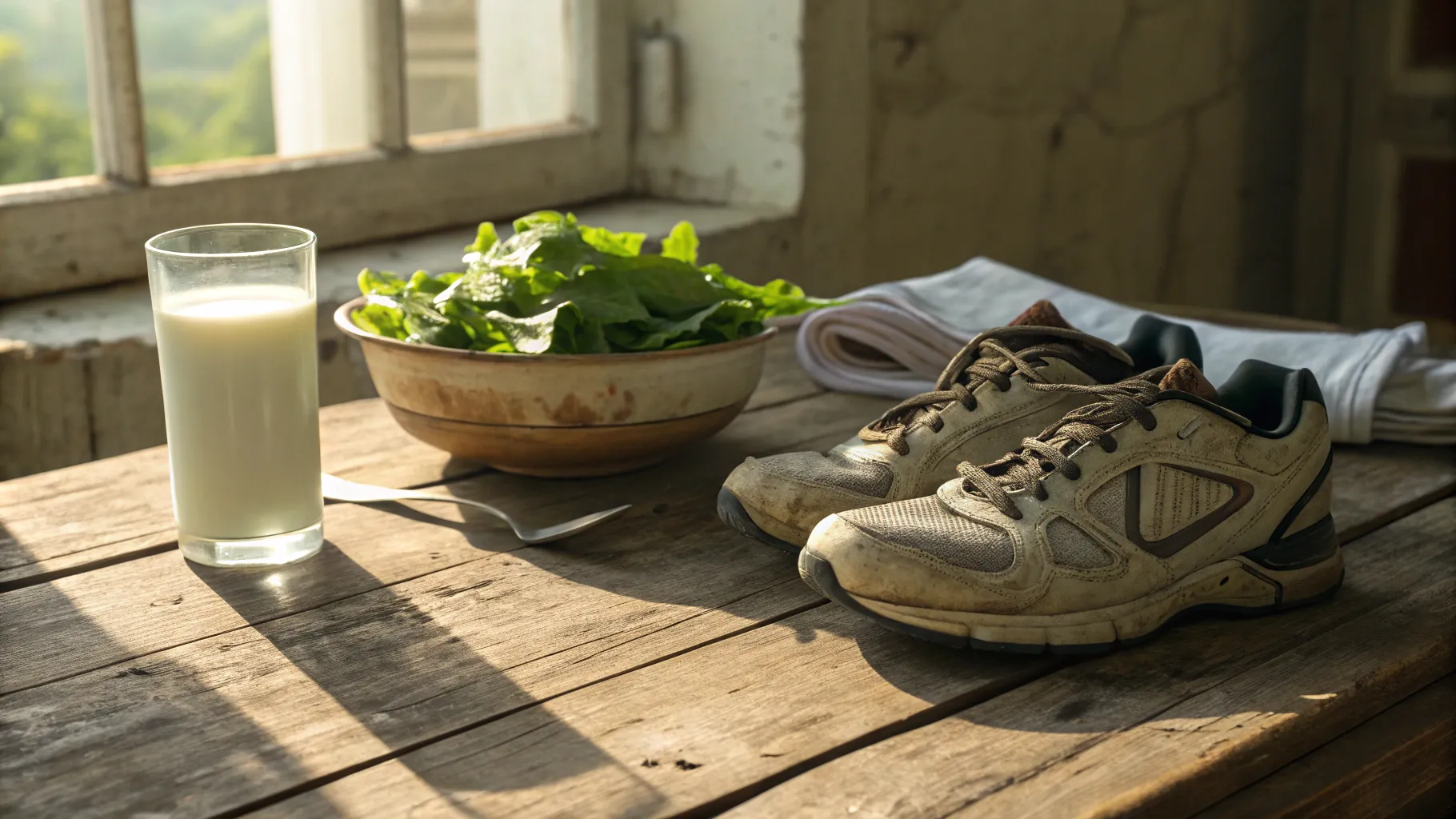
As we navigate through 2025, understanding how to prevent osteoporosis is more critical than ever for long-term health. Osteoporosis is a condition that weakens bones, making them fragile and more likely to break. While it's often associated with aging, the foundation for strong bones is built throughout your life. This guide will explore practical and effective steps you can take to protect your bone health.
Understanding Your Risk for Osteoporosis
Before diving into prevention, it's important to know the risk factors. Some factors like age, sex, and family history are out of your control. Women, particularly after menopause, are at a higher risk. However, many lifestyle factors are within your power to change. Recognizing your personal risk is the first step in creating an effective plan for how to prevent osteoporosis.
The Cornerstone of Prevention: Diet and Nutrition
A balanced diet rich in specific nutrients is fundamental for bone density. The question of how to prevent osteoporosis often starts with what's on your plate. Focus on incorporating these key elements into your daily meals.
Calcium-Rich Foods
Calcium is the primary mineral found in your bones, making it essential for their structure and strength. Aim for adequate daily intake through foods like:
- Low-fat dairy products (milk, yogurt, cheese)
- Dark green leafy vegetables (kale, spinach, broccoli)
- Fortified cereals, juices, and plant-based milks
- Sardines and canned salmon (with bones)
The Vital Role of Vitamin D
Vitamin D is crucial because it helps your body absorb calcium. Without enough vitamin D, you can't form enough of the hormone calcitriol, leading to insufficient calcium absorption. Your body produces vitamin D from sun exposure, but you can also get it from:
- Fatty fish like salmon, mackerel, and tuna
- Fortified milk and cereals
- Dietary supplements, as recommended by your doctor
Building Stronger Bones with Exercise
Physical activity is a powerful tool in your strategy for how to prevent osteoporosis. Exercise stimulates bone-forming cells and improves muscle strength and balance, which helps prevent falls. The best types of activities include both weight-bearing and strength-training exercises.
Weight-Bearing Exercises
These exercises force you to work against gravity, which prompts your body to build new bone. Examples include:
- Brisk walking or jogging
- Dancing
- Hiking
- Tennis or racquet sports
Strength-Training Exercises
Strength training helps build muscle mass and strengthen bones in the process. Consider incorporating:
- Lifting free weights or using weight machines
- Using resistance bands
- Bodyweight exercises like push-ups and squats
Key Lifestyle Adjustments for Bone Health
Certain lifestyle habits can negatively impact your bone density. Making positive changes is a key part of how to prevent osteoporosis. It's crucial to avoid smoking, as it has been shown to contribute to weaker bones. Additionally, limiting alcohol consumption is important, as excessive intake can interfere with calcium balance and the hormones that protect your bones. Maintaining a healthy weight is also beneficial for your skeletal system.
When to Consult a Healthcare Professional
If you have significant risk factors or concerns about your bone health, it is wise to speak with a healthcare professional. They can provide personalized advice on how to prevent osteoporosis based on your specific health profile. They may recommend a bone density scan (DEXA scan) to assess your current bone mass and determine your future fracture risk. This is especially important as we head into 2026, making proactive health management a priority.
References:
https://www.mayoclinic.org/diseases-conditions/osteoporosis/diagnosis-treatment/drc-20351974
https://www.bones.nih.gov/health-info/bone/osteoporosis/prevention
https://www.bonehealthandosteoporosis.org/preventing-fractures/general-facts/what-women-need-to-know/