
How to Prevent Osteoporosis: A Complete Guide for 2025
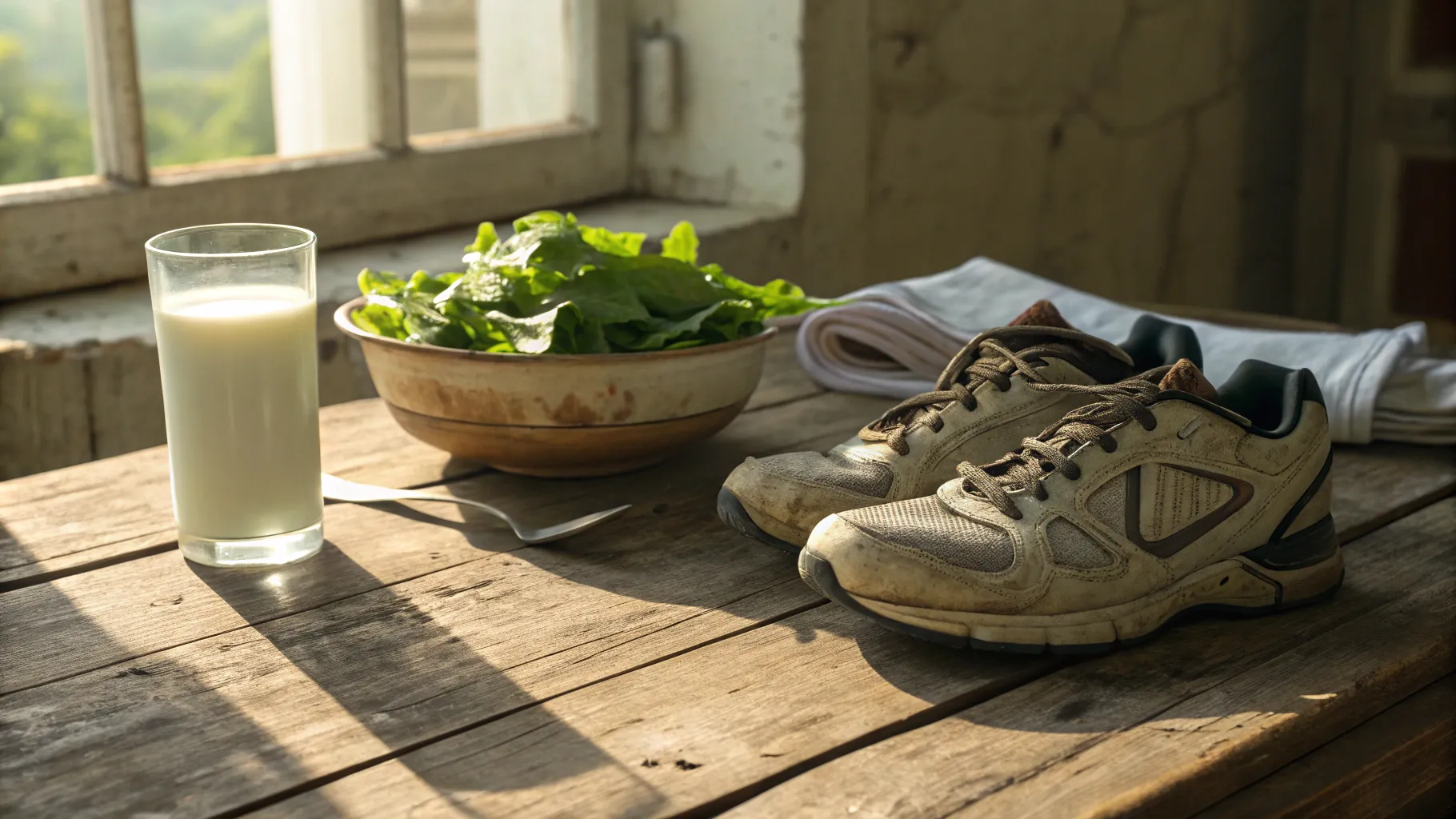
Osteoporosis, a condition that causes bones to become weak and brittle, is a significant health concern affecting millions worldwide. The good news is that it's largely preventable. As we navigate 2025, understanding how to prevent osteoporosis through proactive measures is more important than ever. This guide provides actionable steps to build and maintain strong bones throughout your life.
Understanding Osteoporosis: Why Prevention is Key
Osteoporosis is often called a "silent disease" because you might not know you have it until you break a bone. It occurs when the creation of new bone doesn't keep up with the loss of old bone. Prevention focuses on building peak bone mass during your younger years and slowing bone loss as you age. Starting early is ideal, but it's never too late to adopt bone-healthy habits.
How to Prevent Osteoporosis Through a Bone-Healthy Diet
Proper nutrition is the cornerstone of strong bones. Two nutrients are particularly crucial: calcium and vitamin D. Integrating foods rich in these nutrients is a fundamental step in how to prevent osteoporosis.
Calcium-Rich Foods
Calcium is the primary building block of your bones. Your body can't produce it, so you must get it from your diet. Excellent sources include:
- Low-fat dairy products like milk, yogurt, and cheese
- Dark green leafy vegetables, such as spinach and kale
- Fortified cereals and orange juice
- Sardines and salmon with bones
- Tofu and soy products
The Importance of Vitamin D
Vitamin D is essential for your body to absorb calcium. While some is obtained from sunlight, dietary sources are also vital, especially during winter months.
- Fatty fish like salmon, tuna, and mackerel
- Fortified milk and plant-based milks
- Egg yolks
- Fortified cereals
The Best Exercises to Strengthen Your Bones
Physical activity is critical for building and maintaining bone density. A combination of weight-bearing and muscle-strengthening exercises works best for osteoporosis prevention.
Weight-Bearing Exercises
These exercises make your bones work against gravity, which stimulates bone-forming cells. Examples include:
- Walking, jogging, and hiking
- Dancing and aerobics
- Tennis or other racket sports
- Stair climbing
Muscle-Strengthening Activities
Also known as resistance training, these activities build muscle and support your bones. Consider incorporating:
- Lifting free weights or using weight machines
- Using resistance bands
- Bodyweight exercises like push-ups and squats
Lifestyle Adjustments for Optimal Bone Health
Certain lifestyle habits can significantly impact your bone density. Making positive changes is a key part of how to prevent osteoporosis.
Limit Alcohol and Avoid Smoking: Excessive alcohol consumption can interfere with calcium absorption. Smoking is directly linked to decreased bone density and a higher risk of fractures.
Maintain a Healthy Weight: Being underweight can increase your risk of bone loss and fractures. Conversely, obesity can also put stress on your skeletal system. Strive for a balanced, healthy weight.
Medical Guidance and Early Detection in 2025
Regular check-ups with your doctor are important. They can assess your risk factors for osteoporosis. For those at higher risk, a bone density test, also known as a DEXA scan, can measure bone strength and help determine your fracture risk. Discussing your bone health with a healthcare professional can provide a personalized plan on how to prevent osteoporosis effectively.
References:
https://www.ninds.nih.gov/health-information
https://www.mayoclinic.org/diseases-conditions/osteoporosis/symptoms-causes/syc-20351968
https://www.nof.org/patients/what-is-osteoporosis/