
How to Prevent Osteoporosis: A Comprehensive Guide to Stronger Bones
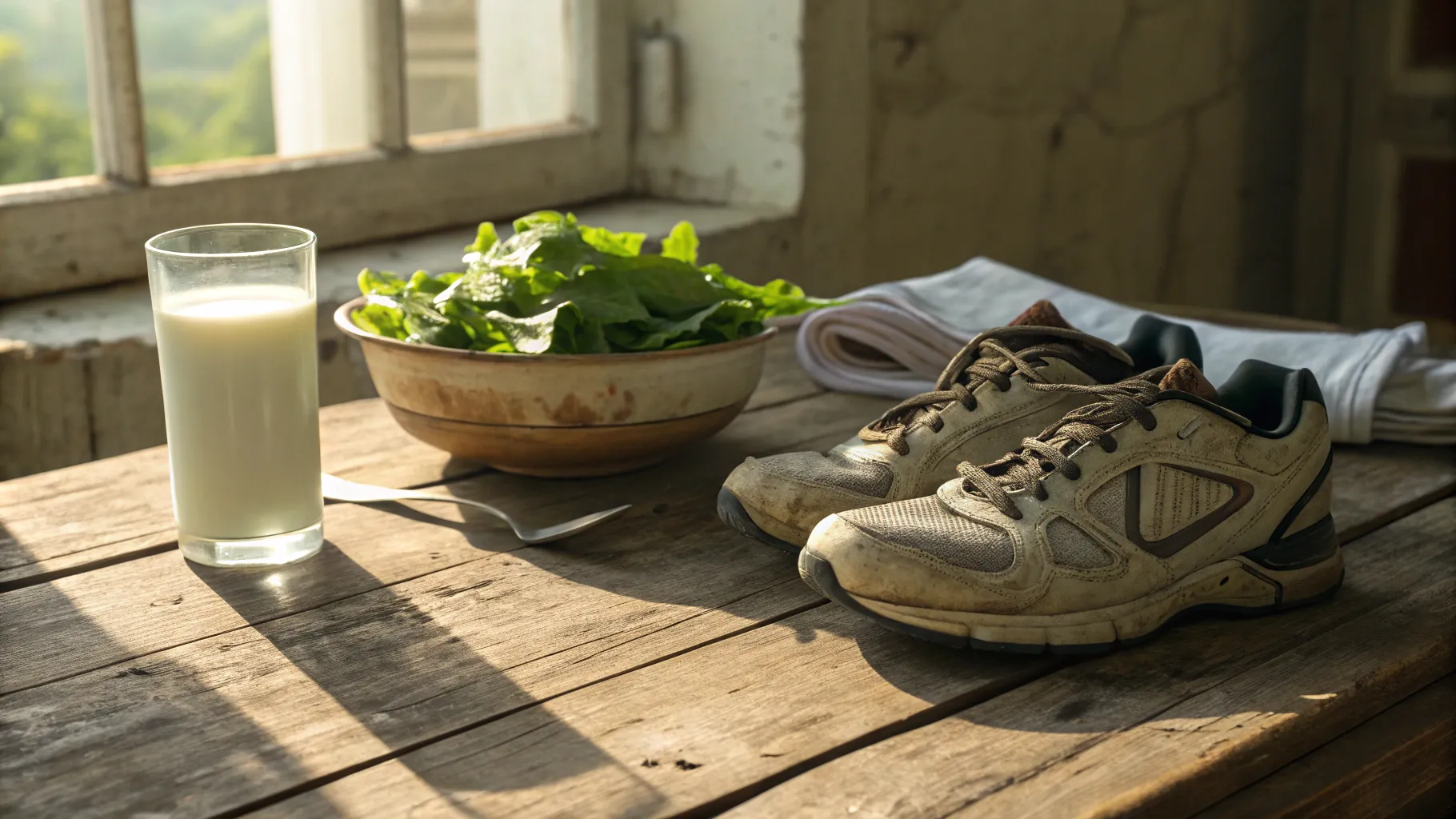
Osteoporosis is a condition that causes bones to become weak and brittle, making them more susceptible to fractures. While it's more common in older adults, building strong bones is a lifelong process. Fortunately, there are many proactive steps you can take. Understanding how to prevent osteoporosis is the first step toward maintaining a healthy, active future.
The Critical Role of Calcium and Vitamin D
Calcium and Vitamin D are the cornerstones of bone health. Calcium is the primary building block of your bone tissue, while Vitamin D helps your body effectively absorb calcium. Without enough of these nutrients, your body may start to pull calcium from your bones, weakening them over time.
Key Sources:
- Calcium: Dairy products (milk, yogurt, cheese), leafy green vegetables (kale, broccoli), fortified cereals and juices, and almonds.
- Vitamin D: Sunlight exposure, fatty fish (salmon, mackerel), fortified milk, and egg yolks.
Essential Exercises for Bone Strength
Physical activity is crucial for building and maintaining bone density. Weight-bearing and muscle-strengthening exercises are particularly effective. These activities put gentle stress on your bones, signaling your body to build them up stronger.
Recommended Activities:
- Weight-Bearing: Walking, jogging, dancing, hiking, and climbing stairs.
- Muscle-Strengthening: Lifting weights, using resistance bands, and bodyweight exercises like push-ups and squats.
Lifestyle Adjustments to Lower Your Risk
Certain lifestyle habits can significantly impact your bone health. Adopting healthier habits is a key part of learning how to prevent osteoporosis and reduce your risk of fractures.
- Avoid Smoking: Smoking can reduce your body's ability to absorb calcium, leading to lower bone density.
- Limit Alcohol Intake: Excessive alcohol consumption can interfere with the balance of calcium and the production of hormones that protect your bones.
- Maintain a Healthy Weight: Being underweight can increase your risk of bone loss and fractures.
How to Prevent Osteoporosis with a Balanced Diet
While calcium and Vitamin D are vital, they aren't the only nutrients your bones need. A well-rounded diet rich in various vitamins and minerals supports overall skeletal health.
Other Important Nutrients:
- Magnesium: Found in nuts, seeds, whole grains, and dark leafy greens.
- Potassium: Abundant in fruits and vegetables like bananas, potatoes, and spinach.
- Vitamin K: Present in green leafy vegetables such as kale, collards, and spinach.
When to Consult Your Doctor About Bone Health
Early detection and professional guidance are important, especially if you have risk factors for osteoporosis, such as a family history of the condition, a small body frame, or certain medical conditions. A healthcare provider can assess your risk and may recommend a bone density test (DEXA scan) to measure your bone strength. Discussing how to prevent osteoporosis with your doctor can help you create a personalized plan tailored to your specific needs.
References:
https://www.bones.nih.gov/health-info/bone/osteoporosis/prevention
https://www.mayoclinic.org/diseases-conditions/osteoporosis/symptoms-causes/syc-20351968
https://my.clevelandclinic.org/health/diseases/4443-osteoporosis