
How to Qualify for NHS Dental Implants
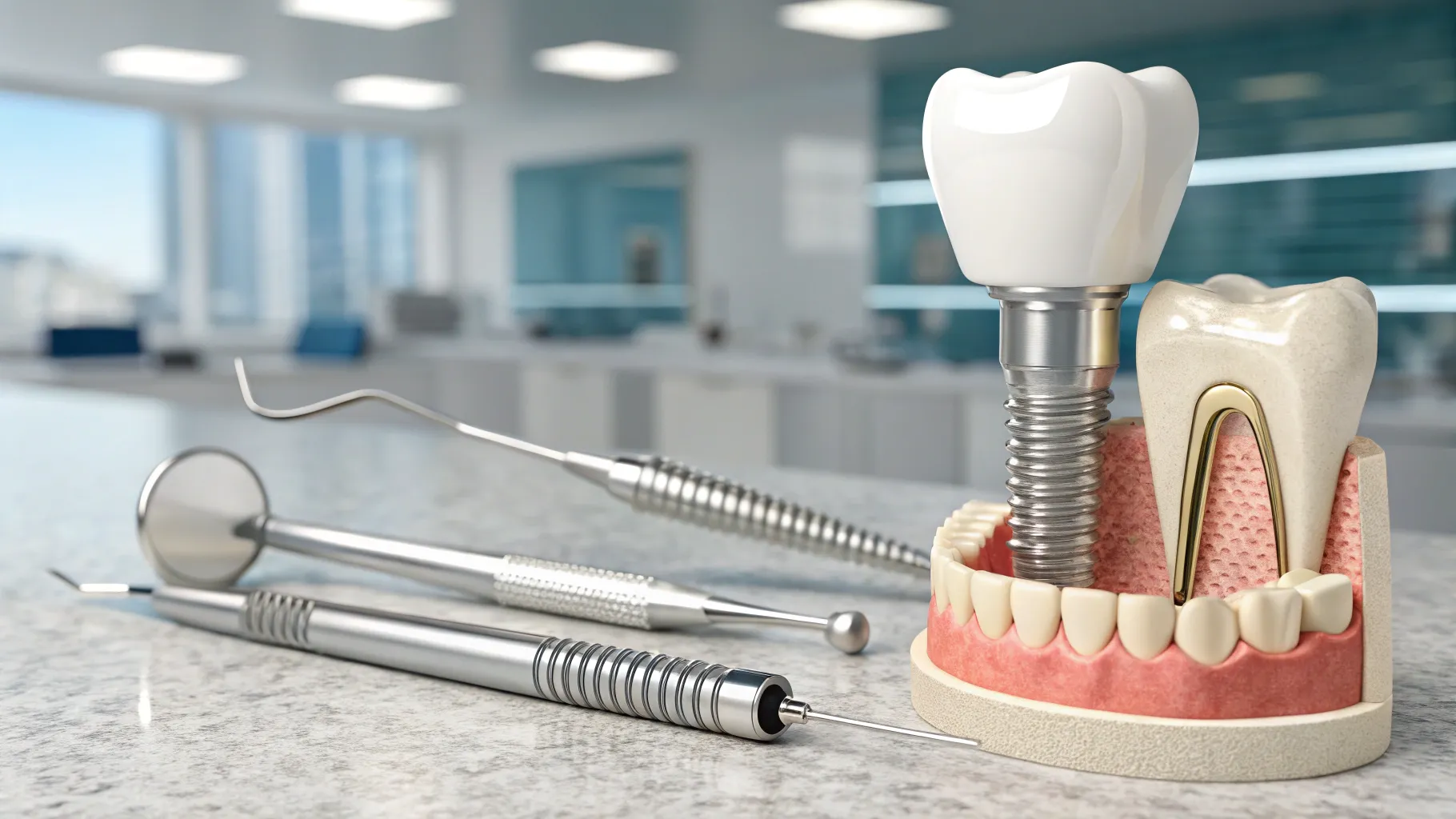
For many individuals suffering from missing teeth, dental implants offer a long-lasting and effective solution. However, the prospect of undergoing such a procedure often raises questions about accessibility and affordability, particularly regarding the National Health Service (NHS). This article aims to demystify the process, helping you understand how to qualify for NHS dental implants and what to expect on your journey to a healthier smile.
Understanding NHS Dental Implants
NHS dental implants are generally not routinely available for cosmetic reasons. Instead, they are typically considered for patients with specific, clinically justifiable needs where conventional treatments are not suitable or would not be successful. The primary goal of NHS dental care is to ensure your oral health and to provide treatment necessary to achieve and maintain it. This often means that criteria for receiving implants through the NHS are quite stringent.
Eligibility Criteria for NHS Dental Implants
Eligibility criteria for NHS dental implants are strict and focus on clinical necessity rather than aesthetic preference. Patients usually need to meet specific conditions, which often include:
- Significant trauma to the face or mouth that has resulted in tooth loss.
- Certain genetic conditions leading to missing teeth (hypodontia).
- Cancer patients who have lost teeth due to treatment or disease.
- Individuals who have been unable to wear dentures successfully due to anatomical issues.
- Inability to eat or speak properly due to severe tooth loss and no other viable treatment options.
It's important to remember that general tooth loss due to decay or gum disease, which could otherwise be treated with dentures or bridges, typically falls outside the scope of NHS implant provision.
The Assessment Process
If you believe you might meet the stringent criteria, the first step is to consult your general dental practitioner (GDP). They will conduct an initial assessment and, if appropriate, refer you to a specialist dental hospital or an NHS consultant-led service. The assessment process is thorough and may involve:
- Detailed oral examination and medical history review.
- X-rays, CT scans, or other imaging to assess bone quality and quantity.
- Discussion of all available treatment options, including conventional alternatives.
- An assessment of your commitment to maintaining excellent oral hygiene, which is crucial for implant success.
The decision to offer NHS dental implants is made by a specialist team based on clinical need and the likelihood of long-term success, not on patient request alone.
Costs and Funding Options for NHS Dental Implants
While NHS dental implants are not entirely "free" for those who qualify, they are significantly subsidised. If deemed clinically necessary and approved, they typically fall under NHS band 3 charges. As of December 2025, patients in England typically pay a set fee for band 3 treatments, which covers complex procedures like crowns, dentures, and bridges, and potentially implants if approved. However, the specific rules for funding can vary across the UK (England, Scotland, Wales, Northern Ireland), and in some cases, specific regional funding or specialist commissioning group approvals might be required. It is essential to discuss costs and funding options directly with your dental practice or the specialist clinic.
Certain groups, such as those on specific benefits or under 18, may be exempt from NHS dental charges. Always check your eligibility for charge exemptions.
Alternatives to NHS Dental Implants
If you do not meet the strict criteria for NHS dental implants, or if you are looking for a more immediate or cosmetic solution, several alternatives to NHS dental implants are available:
- Private Dental Implants: These are widely available through private clinics and offer more flexibility in terms of material, technique, and aesthetic outcomes. However, they come at a higher cost.
- Dentures: Removable partial or full dentures are a common and often more affordable solution for missing teeth. Modern dentures can be custom-fitted for comfort and appearance.
- Dental Bridges: A bridge is a fixed dental restoration used to replace one or more missing teeth by joining an artificial tooth to adjacent teeth or dental implants.
Each of these options has its own advantages and disadvantages in terms of cost, aesthetics, and functionality. Discussing these alternatives with your dentist will help you make an informed decision based on your individual needs and budget.
Navigating Your Options and Next Steps
Navigating the complex landscape of dental care, especially when considering advanced treatments like implants, requires clear information and professional guidance. Begin by discussing your specific situation with your general dental practitioner. They are best placed to provide an initial assessment, explain whether you meet the understanding NHS dental implants criteria, and guide you through the assessment process. Remember that patience is key, as the journey to receiving NHS dental implants can involve multiple stages of consultation and approval. Regardless of whether NHS funding is available for you, exploring all costs and funding options, including private alternatives, will ensure you find the most suitable and sustainable solution for your oral health.
References:
https://www.nhs.uk/conditions/dental-care-and-treatments/how-to-find-an-nhs-dentist/
https://www.bda.org/dentists/advice/nhs-dental-implants
https://www.gov.uk/nhs-dental-charges