
How to Recognize Early Signs of Heart Disease: A Comprehensive 2025 Guide
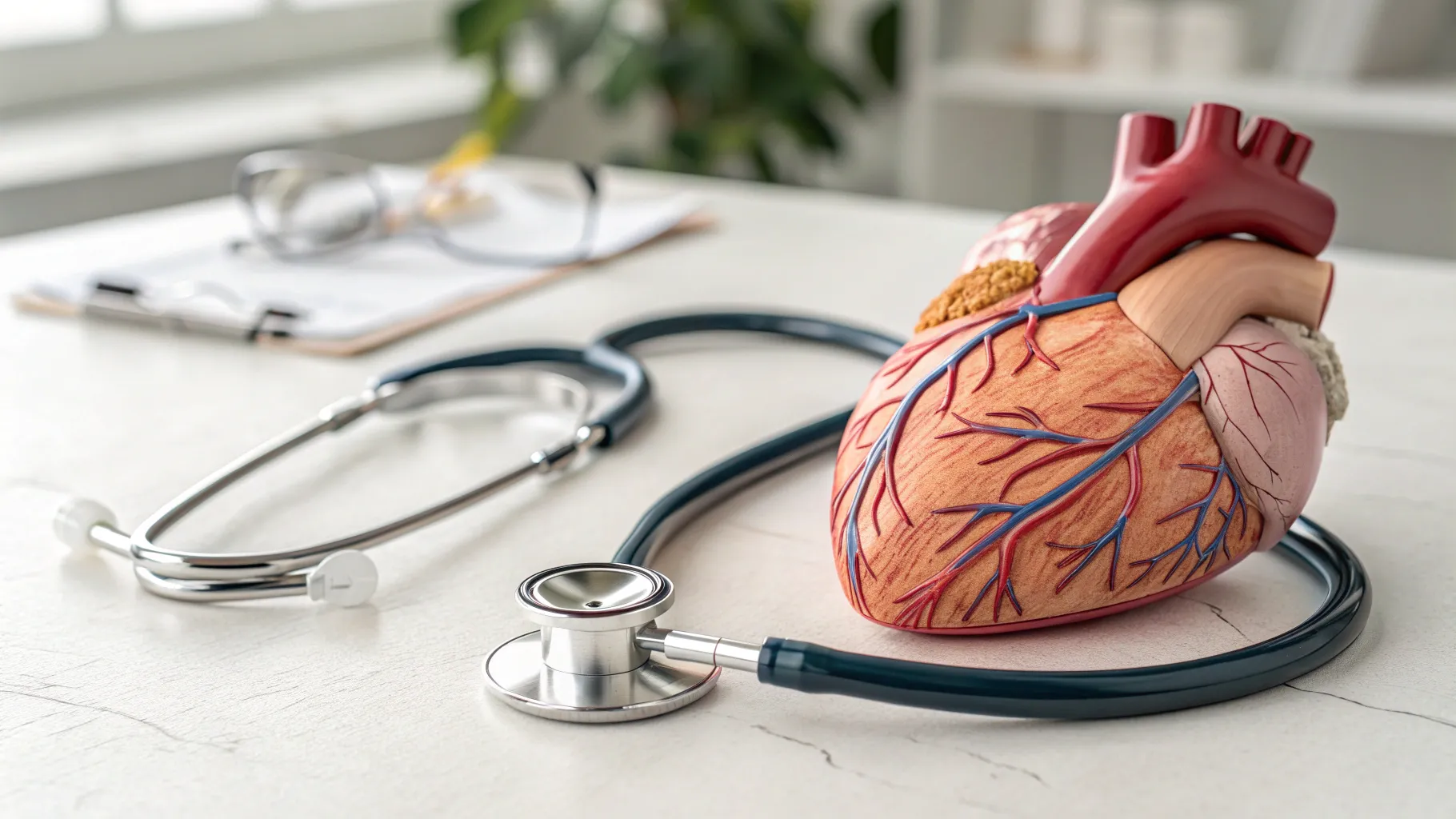
Heart disease remains a leading health concern globally, but early detection can dramatically improve outcomes. As of December 2025, understanding the initial warnings your body sends is more crucial than ever. Many people associate heart disease with a sudden, dramatic heart attack, but the signs often begin much more subtly. This guide will walk you through how to recognize early signs of heart disease so you can take proactive steps toward protecting your cardiovascular health.
Classic Symptoms: The Unmistakable Warnings
While symptoms can vary, there are several classic signs that should never be ignored. Recognizing these is the first step in getting timely medical care. These primary indicators often point directly to an issue with your heart's function and blood flow.
- Chest Discomfort: This is the most common sign. It can feel like pressure, squeezing, fullness, or pain in the center of your chest that lasts for more than a few minutes or goes away and comes back.
- Shortness of Breath: Feeling winded with little to no exertion, or while at rest, can indicate that your heart isn't pumping blood effectively.
- Pain in Other Areas: Discomfort can spread beyond the chest to other areas of the upper body. This includes pain or discomfort in one or both arms, the back, neck, jaw, or stomach.
Subtle and Atypical Signs Often Overlooked
Not all heart-related symptoms are obvious. Some are more subtle and can be easily mistaken for other conditions. It's particularly important for women, older adults, and individuals with diabetes to understand these atypical signs, as they may not experience the classic chest pain.
Key Subtle Indicators:
- Unexplained Fatigue: Feeling unusually tired for days at a time, especially if it's a new phenomenon, can be a sign that your heart is struggling to supply the body with oxygen-rich blood.
- Swelling (Edema): Noticeable swelling in your feet, ankles, legs, or abdomen can occur when the heart can't pump strongly enough, causing blood to back up in the veins and fluid to accumulate in tissues.
- Dizziness or Lightheadedness: Feeling dizzy or like you might faint can be linked to a drop in blood pressure caused by your heart's inability to pump properly.
How to Recognize Early Signs of Heart Disease in Daily Life
Paying attention to your body during daily activities is a practical way of how to recognize early signs of heart disease. Do you find yourself getting breathless while carrying groceries? Do you experience indigestion-like pain that doesn't seem related to food? These changes in your physical capacity and comfort can be important clues. Keeping a simple journal of symptoms, noting when they occur and what you were doing, can provide valuable information for your doctor.
Risk Factors That Amplify the Signs
Understanding your personal risk factors is a key part of recognizing early signs. If you have a history of high blood pressure, high cholesterol, diabetes, or a family history of heart disease, you should be especially vigilant. Lifestyle factors like smoking, a sedentary lifestyle, and a poor diet significantly increase your risk, making it even more important to listen to your body and report any unusual symptoms to a healthcare professional.
When to Consult a Doctor
If you experience any of the signs mentioned, especially if they are new, persistent, or worsening, it is crucial to seek medical attention. Don't dismiss symptoms as just a part of aging or stress. A healthcare provider can perform the necessary tests, such as an electrocardiogram (ECG) or blood tests, to assess your heart health. Early diagnosis and management are fundamental to preventing more serious events like a heart attack or stroke.
References:
https://www.cdc.gov/heartdisease/signs_symptoms.htm
https://www.heart.org/en/health-topics/heart-attack/warning-signs-of-a-heart-attack
https://www.mayoclinic.org/diseases-conditions/heart-disease/symptoms-causes/syc-20353118