Rosacea Early Symptoms: How to Recognize the First Signs
Facts:
- Rosacea affects an estimated 16 million Americans.
- A rising trend in telehealth helps people recognize early symptoms of rosacea from home.
Decoding the Initial Clues: Your Guide to Rosacea Early Symptoms
Understanding and identifying the initial signs of rosacea is the most critical step toward managing this chronic skin condition effectively. Many people dismiss the first indicators as simple flushing or temporary skin sensitivity, but learning to recognize early symptoms of rosacea can prevent years of discomfort and potential progression of the disease. These first signs are often subtle, appearing intermittently before becoming more persistent. Paying close attention to how your skin reacts to various triggers can provide valuable insights, helping you to differentiate between a fleeting blush and the onset of true rosacea early symptoms.
Persistent Facial Redness: The Primary Warning Sign
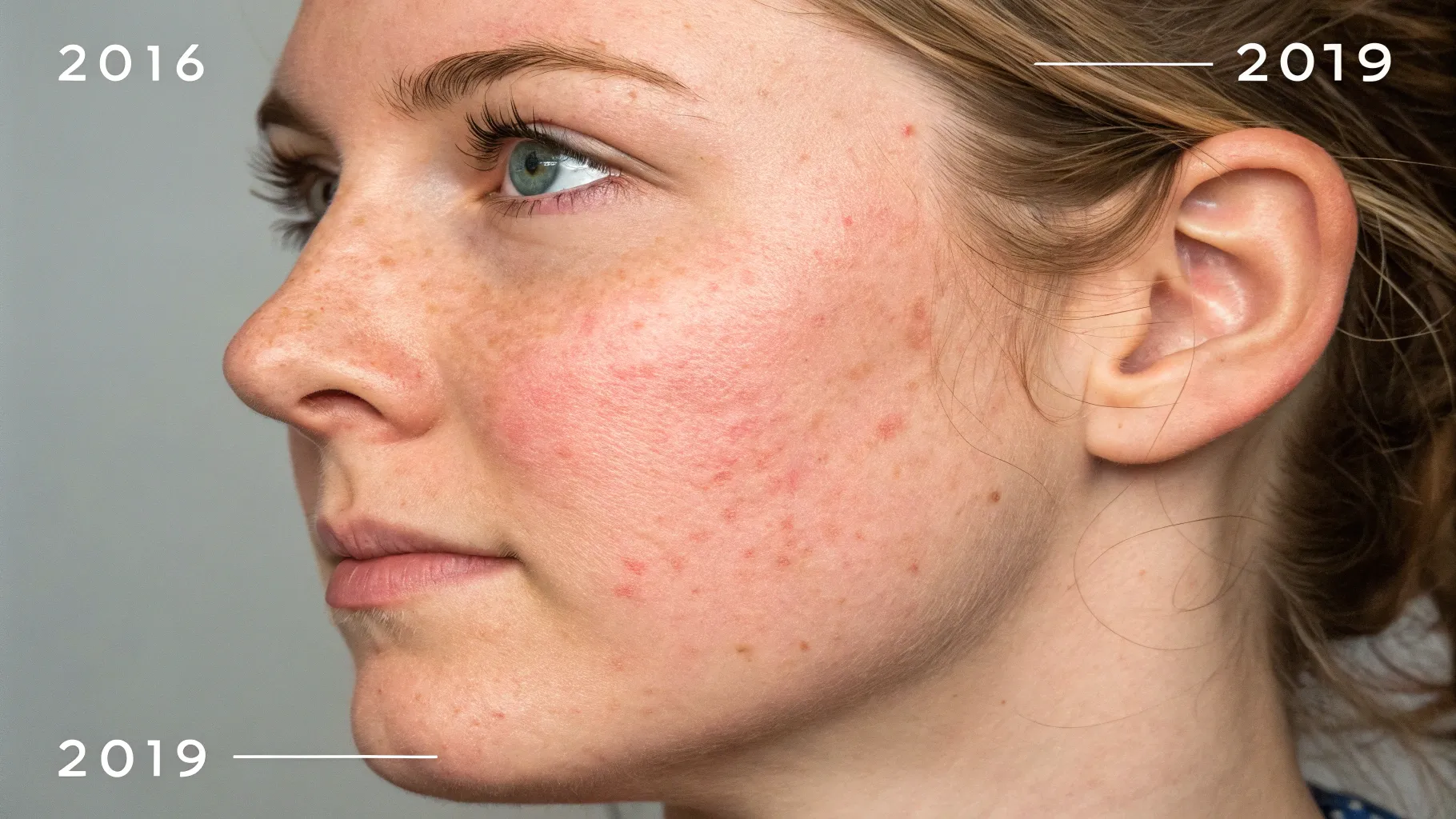
The most common and foundational of all rosacea early symptoms is persistent facial erythema, or redness. Initially, this may manifest as frequent blushing or flushing that lasts longer than usual. You might notice your face, particularly the central part (cheeks, nose, forehead, and chin), becomes intensely red after exposure to a trigger like spicy food, alcohol, or emotional stress. Over time, this flushing response can become more frequent and eventually, the redness may not fade at all, becoming a permanent fixture. This persistent redness is a key indicator that distinguishes rosacea from other skin conditions. If you are starting to see this pattern, it is a crucial time to recognize early symptoms of rosacea and consider consulting a dermatologist for a proper diagnosis and management plan.
Visible Blood Vessels and Skin Sensitivity Changes
As rosacea progresses, another one of the key rosacea early symptoms you might notice is the appearance of telangiectasias, which are small, visible red lines on the face. These are actually tiny, dilated blood vessels that have become visible on the surface of the skin, often on the cheeks and around the nose. They can look like a spider's web, contributing to the overall appearance of redness. Alongside these visible changes, your skin may become increasingly sensitive. You might experience sensations of burning or stinging, particularly when applying skincare products or cosmetics. This heightened sensitivity is a direct result of the inflammation associated with the condition and is a significant sign for those learning to recognize early symptoms of rosacea.
Bumps and Pimples: Differentiating Rosacea from Acne
Many individuals mistake papulopustular rosacea for common acne, which can lead to improper treatment and worsening of the condition. One of the distinguishing rosacea early symptoms involves the appearance of small, red, solid bumps (papules) and pus-filled pimples (pustules). However, unlike acne, rosacea bumps are typically not associated with blackheads (comedones). The surrounding skin is usually red and may feel tender. It's vital to recognize early symptoms of rosacea in this form, as acne treatments can be harsh and further irritate rosacea-prone skin, exacerbating redness and inflammation. These breakouts tend to be cyclical, flaring up for weeks or months and then subsiding before flaring up again.
Ocular Rosacea: When Symptoms Affect the Eyes
Rosacea is not just a skin condition; it can also affect the eyes in what is known as ocular rosacea. For some, eye symptoms can even precede the skin symptoms, making it difficult to connect them to rosacea initially. Common ocular rosacea early symptoms include watery or bloodshot eyes, a gritty or burning sensation, dryness, itching, and recurrent styes. Your eyelids may also become swollen and red. Because these symptoms can be mistaken for allergies or other eye conditions, it is important to consider them in the context of other potential signs. If you experience these eye issues along with facial flushing or redness, it's a strong signal that you should recognize early symptoms of rosacea and seek a comprehensive diagnosis from a healthcare professional.
Actionable Advice: Managing Early Rosacea Triggers
Once you recognize early symptoms of rosacea, identifying and avoiding your personal triggers is one of the most effective management strategies. While triggers vary from person to person, some are notoriously common. Keeping a diary can help you pinpoint what causes your flare-ups. Here are some key areas to monitor and manage:
- Sun Exposure: Sun is a leading trigger. Always wear a broad-spectrum sunscreen with an SPF of 30 or higher. Physical sunscreens containing zinc oxide or titanium dioxide are often better tolerated by sensitive, rosacea-prone skin.
- Dietary Triggers: Common culprits include spicy foods, hot beverages, alcohol (especially red wine), and foods high in histamine. Try an elimination diet to identify specific foods that worsen your rosacea early symptoms.
- Extreme Temperatures: Both hot and cold weather can cause flare-ups. Protect your face with a scarf in the winter and avoid hot showers, saunas, and overly heated rooms.
- Skincare Products: Use gentle, non-abrasive cleansers and moisturizers. Avoid products containing alcohol, witch hazel, fragrance, menthol, or eucalyptus oil, as these can irritate the skin.
- Stress Management: Emotional stress is a significant trigger. Incorporate stress-reducing activities like yoga, meditation, or deep breathing exercises into your daily routine.
Frequently Asked Questions
Can rosacea early symptoms appear suddenly?
Yes, while rosacea early symptoms often develop gradually with intermittent flushing, they can also appear more suddenly, particularly after significant exposure to a strong trigger like intense sun or a highly stressful event. The key is the persistence of these symptoms over time.
At what age do rosacea early symptoms typically start?
Most people begin to experience the initial signs of rosacea between the ages of 30 and 50. It is more common in individuals with fair skin, particularly those of Celtic or Scandinavian ancestry, but it can affect people of all skin types.
Is it possible to completely cure rosacea?
Currently, there is no cure for rosacea. However, by learning to recognize early symptoms of rosacea and implementing effective management strategies, including trigger avoidance and medical treatments, you can control the symptoms and prevent the condition from progressing.
How is rosacea officially diagnosed?
A dermatologist diagnoses rosacea based on a physical examination of your skin and a review of your personal and family medical history. There is no specific test for rosacea; the diagnosis is made by identifying the characteristic signs and ruling out other conditions like acne or lupus.
References
- National Rosacea Society
- American Academy of Dermatology (AAD)
- The New England Journal of Medicine
- Journal of the American Medical Association (JAMA) Dermatology