
How to Recognize the Common Symptoms of Stress
Stress is a normal part of life, serving as the body's response to demands and threats. In small doses, it can be beneficial, helping you stay focused and energetic. However, when stress becomes chronic or overwhelming, it can take a significant toll on your well-being, often revealing itself through a wide array of symptoms that are easy to overlook or attribute to other causes.
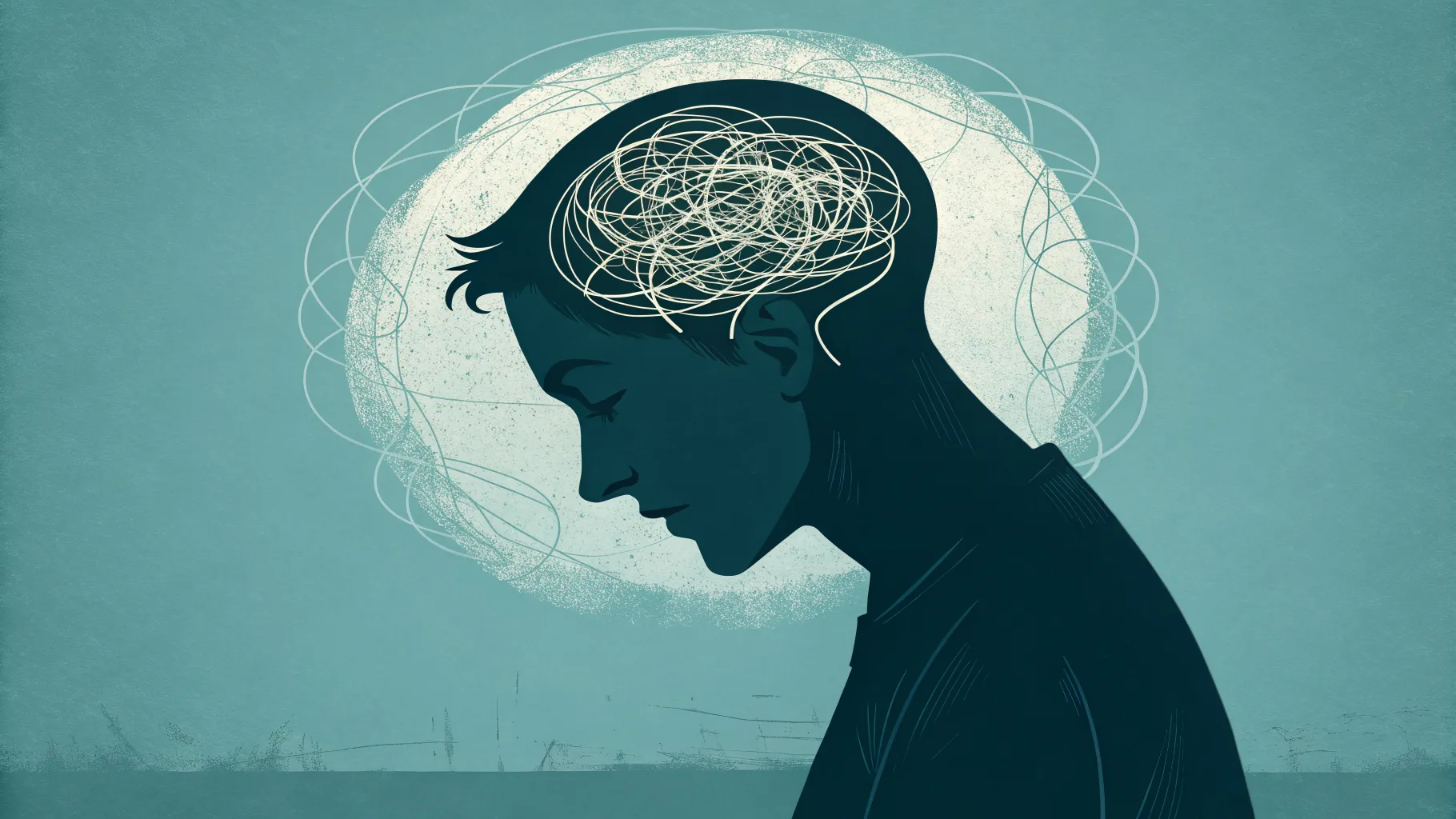
Physical Symptoms of Stress
The body's reaction to stress is physiological, and it often presents with clear physical signs. Headaches, particularly tension headaches, are a very common indicator. You might also experience muscle pain and tension, especially in the neck, shoulders, and back, as your body tenses up in response to perceived threats. This constant state of high alert can lead to persistent fatigue that is not relieved by sleep.
Digestive issues are another frequent physical manifestation. Stress can disrupt the delicate balance of your digestive system, leading to stomach pain, nausea, or changes in bowel habits. Furthermore, many people experience changes in their sleep patterns, such as difficulty falling asleep, staying asleep, or sleeping too much. These physical symptoms are your body's way of signaling that it is under too much pressure.
Emotional and Cognitive Effects
Beyond the physical, stress profoundly impacts your emotional and mental state. You might find yourself feeling more irritable, anxious, or moody than usual. A sense of being overwhelmed or a general feeling of unhappiness can also be persistent signs of high stress levels. For many, this emotional turmoil makes it difficult to relax and quiet the mind.
Cognitively, stress can make it hard to think clearly. It can impair your ability to concentrate, make decisions, and remember things. Other common cognitive symptoms include:
- Constant worrying or racing thoughts
- A pessimistic or negative outlook
- Poor judgment and difficulty focusing on tasks
- Seeing only the negative side of situations
Behavioral Changes to Watch For
Stress often influences our behavior, sometimes in ways we do not immediately notice. Changes in appetite are a classic example; some people may overeat or turn to unhealthy comfort foods, while others lose their appetite entirely. This can lead to unhealthy weight fluctuations and nutritional deficiencies if the stress is prolonged.
Another common behavioral symptom is social withdrawal. When you are feeling overwhelmed, you might avoid friends, family, and social activities that you once enjoyed. You may also notice an increase in nervous habits, such as nail-biting, fidgeting, or pacing. Some individuals may resort to unhealthy coping mechanisms, which can exacerbate the problem.
The Impact of Chronic Stress
It is important to distinguish between acute stress, which is short-term and related to a specific event, and chronic stress, which is long-term and persistent. While acute stress is a normal part of life, chronic stress can have serious consequences for your health. When the body is constantly in a state of high alert, it can lead to wear and tear on your systems.
Over time, chronic stress can contribute to a range of significant health problems. It can weaken the immune system, making you more susceptible to infections and illnesses. It is also a known risk factor for cardiovascular issues, including high blood pressure. Understanding these long-term risks highlights the importance of recognizing and managing stress symptoms early on.
Identifying Your Personal Stress Triggers
Recognizing the symptoms of stress is the first step, but understanding what causes them is equally crucial for effective management. Stress triggers are highly individual and can range from major life events like changing jobs or moving to daily hassles like traffic or a demanding workload. Personal relationships, financial concerns, and even your own thought patterns can act as significant sources of stress.
Take some time to reflect on when your symptoms are most pronounced. Keeping a journal can be a helpful way to identify patterns and connect your feelings of stress to specific people, places, or situations. Once you know your triggers, you can begin to develop strategies to either avoid them or change your reaction to them, giving you more control over your stress levels.
When Symptoms Warrant Professional Attention
While many stress symptoms can be managed with lifestyle changes, some situations require professional help. If your symptoms are persistent and interfere with your daily life, work, or relationships, it may be time to speak with a healthcare provider. Symptoms like chest pain, shortness of breath, or dizziness should always be evaluated by a doctor to rule out other medical conditions.
A mental health professional, such as a therapist or counselor, can provide valuable support. They can help you develop healthy coping strategies, manage your triggers, and address the underlying causes of your stress. It is especially important to seek immediate help if you are using unhealthy coping mechanisms or if your stress is accompanied by feelings of hopelessness.