
How to Reduce Eczema Flare-Ups Naturally: A Comprehensive Guide
Facts:
- Over 31 million Americans have some form of eczema.
- A rising trend is using probiotic-rich foods for managing eczema.
Holistic Strategies for Calming Atopic Dermatitis
Eczema, or atopic dermatitis, is more than just dry skin; it's a chronic inflammatory condition that can significantly impact one's quality of life. The constant cycle of itching and scratching can be relentless, leading many to seek effective, long-term solutions. Fortunately, understanding how to reduce eczema flare-ups naturally involves a multi-faceted approach that addresses diet, skincare, and lifestyle factors. By focusing on identifying triggers and incorporating soothing, natural remedies, it is possible to manage symptoms and achieve lasting relief without solely relying on conventional treatments. This guide will explore the comprehensive steps you can take for your journey on how to reduce eczema flare-ups naturally.
Dietary Adjustments for Eczema Management
The connection between gut health and skin health is undeniable, making diet a cornerstone of finding out how to reduce eczema flare-ups naturally. An anti-inflammatory diet is often recommended. This involves prioritizing foods rich in omega-3 fatty acids, such as salmon, flaxseeds, and walnuts, which can help lower inflammatory markers in the body. Additionally, incorporating quercetin-rich foods like apples, broccoli, and kale can be beneficial due to their natural antihistamine properties. Many people also find relief by identifying and eliminating trigger foods. Common culprits include dairy, gluten, eggs, and soy. An elimination diet, conducted under the guidance of a healthcare professional, can help pinpoint specific sensitivities. Keeping a detailed food diary is an essential tool in this process, allowing you to track what you eat and any corresponding skin reactions to better understand how to reduce eczema flare-ups naturally for your specific body.
Topical Natural Remedies for Soothing Irritated Skin
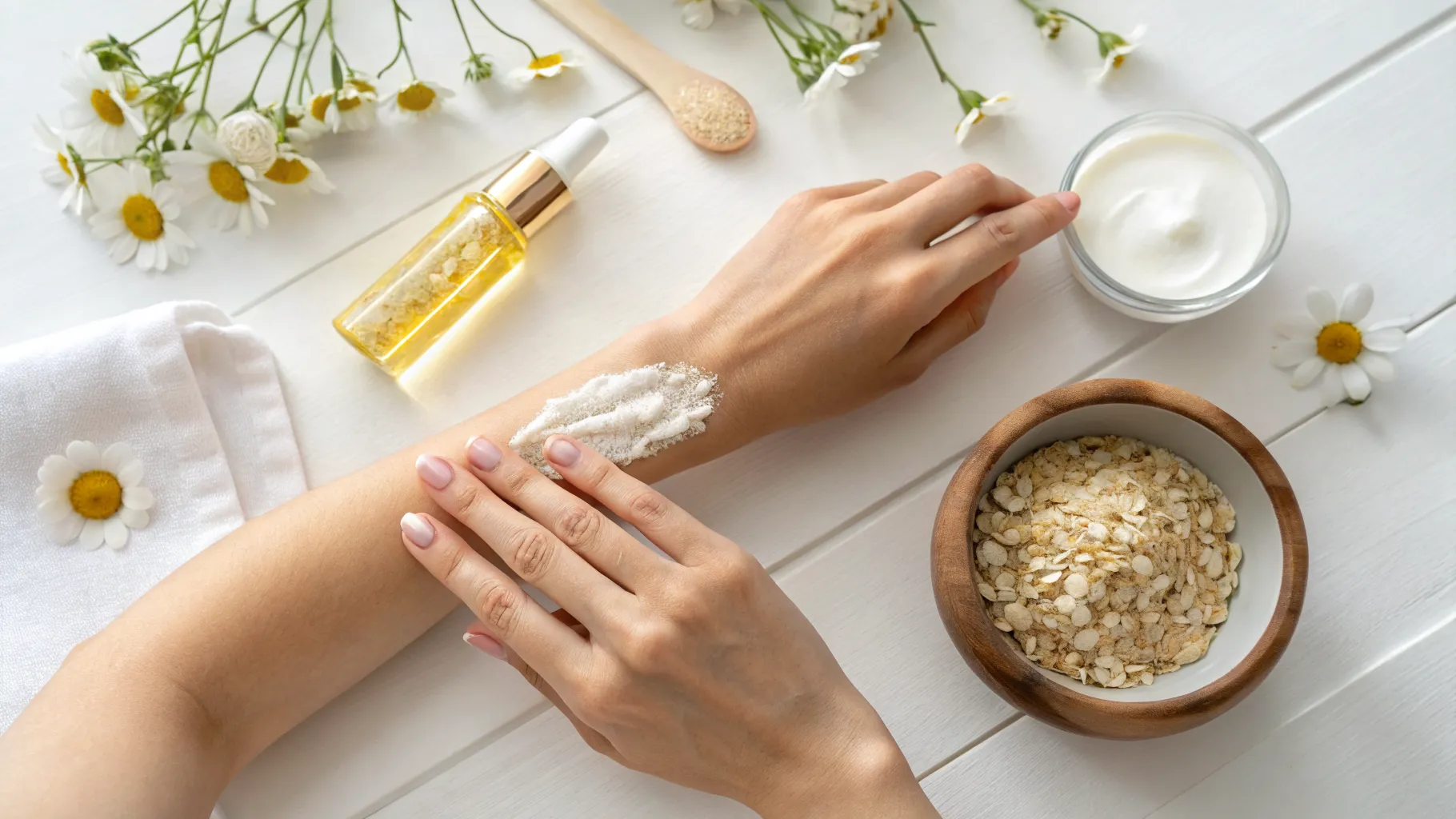
When a flare-up occurs, immediate topical relief is crucial. Nature offers several potent ingredients that can calm inflammation and alleviate itching. Colloidal oatmeal baths are a time-tested remedy; the oats create a protective barrier on the skin, reducing irritation. Coconut oil, particularly virgin coconut oil, has moisturizing and antimicrobial properties that can hydrate dry, cracked skin and prevent secondary infections. Another excellent option is calendula cream or oil, renowned for its wound-healing and anti-inflammatory effects. Sunflower seed oil has also been shown to improve the skin's barrier function, which is often compromised in individuals with eczema. When seeking how to reduce eczema flare-ups naturally, applying these remedies to damp skin after bathing can lock in moisture and maximize their effectiveness.
Essential Lifestyle Modifications to Prevent Flare-Ups
Your daily habits and environment play a significant role in managing eczema. One of the most critical steps in how to reduce eczema flare-ups naturally is maintaining optimal skin hydration. This means bathing in lukewarm—not hot—water for short periods (5-10 minutes) and using a gentle, fragrance-free cleanser. Immediately after patting the skin dry, apply a thick, natural moisturizer. Another key aspect is managing environmental triggers. Dust mites, pet dander, pollen, and mold can all exacerbate eczema. Using a HEPA filter air purifier, washing bedding in hot water weekly, and maintaining a cool, stable indoor humidity level can make a substantial difference. These proactive lifestyle changes are fundamental to a long-term strategy for how to reduce eczema flare-ups naturally.
The Critical Role of Stress Management in Skin Health
The mind-skin connection is powerful, and stress is a well-known trigger for eczema flare-ups. When you're stressed, your body releases cortisol, a hormone that can drive inflammation and disrupt your skin's barrier function. Therefore, integrating stress-reduction techniques into your routine is a non-negotiable part of learning how to reduce eczema flare-ups naturally. Practices such as mindfulness meditation, deep breathing exercises, and yoga can help calm the nervous system and lower cortisol levels. Ensuring you get adequate, quality sleep is also paramount, as sleep deprivation can worsen stress and inflammation. Even engaging in a relaxing hobby or spending time in nature can have profound benefits for both your mental well-being and the health of your skin.
Choosing Skin-Friendly Clothing and Laundry Products
What you put on your skin is just as important as what you put in your body. Certain fabrics can irritate sensitive, eczema-prone skin. It's best to choose soft, breathable materials like 100% cotton, silk, or bamboo. Avoid wool and synthetic fabrics like polyester and nylon, as they can trap heat and moisture, leading to irritation and itchiness. The same principle applies to laundry products. Opt for hypoallergenic, fragrance-free, and dye-free detergents. It's also wise to skip fabric softeners and dryer sheets, which often contain chemicals and fragrances that can leave a residue on clothes and trigger a reaction. A simple but effective part of knowing how to reduce eczema flare-ups naturally is ensuring your clothing and bedding are as gentle as possible.
Frequently Asked Questions
How quickly can I see results with natural methods for eczema?
The timeline for seeing results can vary greatly depending on the individual, the severity of the eczema, and the consistency of the approach. Some people notice improvements in itching and inflammation within a few days of applying topical remedies, while dietary changes may take several weeks to show a noticeable effect. The key to success with how to reduce eczema flare-ups naturally is patience and consistency.
Are there any natural supplements that can help with eczema?
Yes, several supplements may support skin health. Probiotics can help balance gut flora, which is linked to reduced inflammation. Vitamin D has been shown to have a positive effect on eczema symptoms, especially in winter. Evening primrose oil and borage oil, which are high in gamma-linolenic acid (GLA), may also help reduce inflammation. It's crucial to consult a healthcare provider before starting any new supplement regimen as part of your plan for how to reduce eczema flare-ups naturally.
Can children use these natural remedies for eczema?
Many natural remedies are safe for children, but it's essential to proceed with caution and always consult a pediatrician or dermatologist first. Colloidal oatmeal baths and sunflower oil are generally considered safe and gentle. However, you should always perform a patch test on a small area of skin before applying any new cream, oil, or remedy widely to ensure there is no adverse reaction. This is a vital safety step in figuring out how to reduce eczema flare-ups naturally for a child.
References
- National Eczema Association: Eczema Triggers and Management
- Journal of Clinical and Aesthetic Dermatology: The Role of Diet in Atopic Dermatitis
- International Journal of Molecular Sciences: Stress and the Skin Barrier
- Pediatric Dermatology: The Role of Natural Oils in Skin Barrier Repair