
How to Stay Warm: A Comprehensive Guide to Cold Weather Comfort
🗣️ Fast Facts:
- Layering traps air, creating highly effective insulation.
- Wool and fleece outperform cotton for winter warmth.
Understanding Symptoms & Options
Staying warm during cold weather isn't just about comfort; it's crucial for your health. Exposure to cold can lead to various issues, from mild discomfort to serious conditions like hypothermia. The key is a proactive approach that involves dressing strategically, optimizing your home environment, and understanding the materials that offer the best protection. This guide breaks down the essential strategies and products to help you maintain warmth and safety throughout the winter months.
Key Strategies for Winter Warmth
- Master the Layering System: The most effective way to dress for cold is using three layers: a moisture-wicking base layer (like merino wool), an insulating mid-layer (like fleece or down), and a waterproof, windproof outer shell to protect you from the elements.
- Choose the Right Fabrics: Avoid cotton, as it retains moisture and chills your body. Opt for thermal fabrics like merino wool, which insulates even when damp, or synthetic options like polyester and polypropylene that wick sweat away.
- Optimize Home Heating: Seal drafts around windows and doors with weatherstripping. Use a programmable thermostat to lower temperatures when you're away or asleep, which can reduce heating costs. Reverse ceiling fans to push warm air down.
- Accessorize for Maximum Heat Retention: A significant amount of body heat is lost through your head, hands, and feet. Wear a warm hat, insulated gloves or mittens, and thick wool socks to keep extremities warm. A scarf or neck gaiter can seal the gap around your collar.
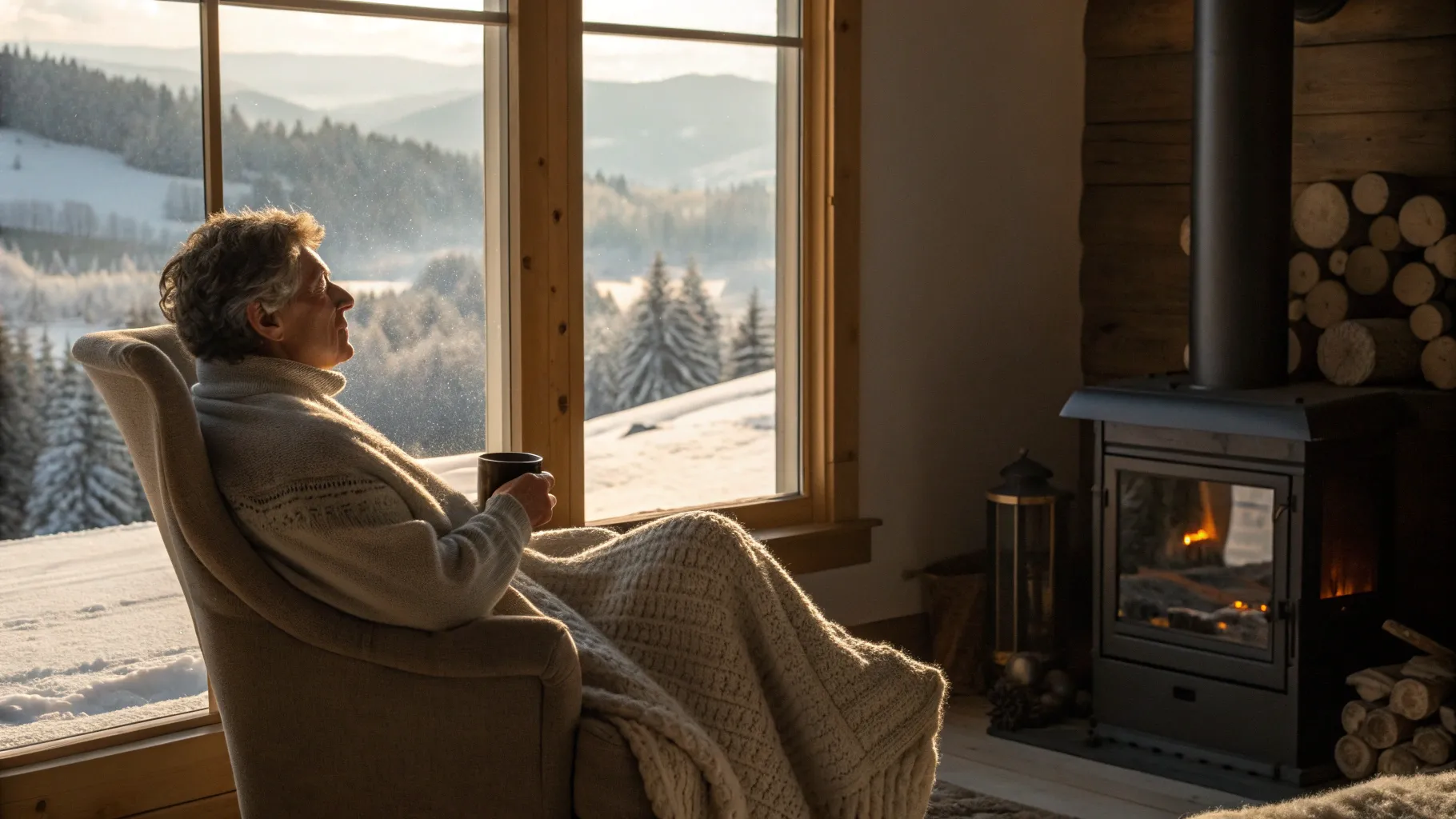
- Boost Indoor Comfort: Utilize warm beverages, cozy blankets, and area rugs on cold floors to enhance comfort. A strategically placed electric blanket or heated mattress pad can provide targeted warmth for a fraction of the cost of heating the entire house.
- Stay Dry at All Costs: Moisture is the enemy of warmth. If your clothes get wet from snow, rain, or sweat, they lose their insulating properties. Prioritize waterproof outer layers and moisture-wicking base layers to stay dry and comfortable.
Choosing Your Gear: Standard vs. Advanced Thermal Fabrics
When selecting winter clothing, the fabric makes all the difference. Here’s a comparison of standard and advanced options:
Standard Options
Standard choices often include basic fleece and cotton blends. While fleece offers decent insulation and is affordable, it's not very wind-resistant. Cotton is a poor choice for cold weather as it absorbs sweat and holds it against your skin, rapidly decreasing your body temperature.
Advanced Options
Advanced materials like Merino wool provide excellent warmth-to-weight ratio, are naturally odor-resistant, and insulate even when wet. High-performance synthetics (e.g., Polartec®, PrimaLoft®) are engineered to offer superior moisture-wicking and insulation. Down remains one of the best insulators by weight but loses its effectiveness when it gets wet, making waterproof shells essential.
Cold Weather Comfort Checklist: Are You Prepared?
- Clothing: Do you have a proper three-layer system including a moisture-wicking base, an insulating mid-layer, and a waterproof shell?
- Accessories: Are your hat, gloves, and scarf made from warm materials like wool or fleece?
- Footwear: Are your boots insulated and waterproof, with enough room for thick, non-cotton socks?
- Home: Have you sealed air leaks around windows and doors? Is your heating system serviced and ready for winter?
- Emergency Kit: Do you have blankets, flashlights, and non-perishable food in your car and home in case of a power outage?
Frequently Asked Questions
What is the best base layer for extreme cold?
For extreme cold, a mid-weight to heavy-weight merino wool base layer is typically the best option. It provides superior insulation, manages moisture effectively, and remains warm even if it gets damp. High-quality synthetics are a close second.
How can I lower my heating bill in winter?
Lower your thermostat by a few degrees, especially at night. Seal all drafts and insulate your attic and walls properly. Open curtains on sunny days to let in natural heat and close them at night to insulate. Using an electric blanket or space heater for one room is often cheaper than heating the whole house.
Are down jackets better than synthetic ones?
Down offers the best warmth-to-weight ratio and is highly compressible, making it ideal for cold, dry conditions. Synthetic insulation is more affordable, hypoallergenic, and continues to insulate when wet, making it a more versatile choice for damp, cold climates.
References
- CDC. (2025). 'Winter Weather Safety'. Centers for Disease Control and Prevention.
- National Weather Service. (2025). 'Cold Weather Safety Tips'.
- REI Co-op. (2025). 'Layering Basics'. Expert Advice.