How to Stop Nasal Polyps From Returning: A Guide to Recurrence Prevention
Facts:
- Nasal polyps affect up to 4% of the population.
- Recurrence rates are high for those without proper chronic nasal polyps management.
Understanding and Preventing Nasal Polyps Recurrence
Nasal polyps, benign growths in the nasal passages or sinuses, can significantly impact quality of life, leading to congestion, reduced sense of smell, and facial pain. While surgical removal offers immediate relief, the challenge lies in understanding how to stop nasal polyps from returning. Effective strategies for nasal polyps recurrence prevention are crucial for achieving sustained relief and improving overall respiratory health. This comprehensive guide delves into the various approaches to prevent nasal polyps from coming back, focusing on long-term management and preventative measures to maintain clear airways.
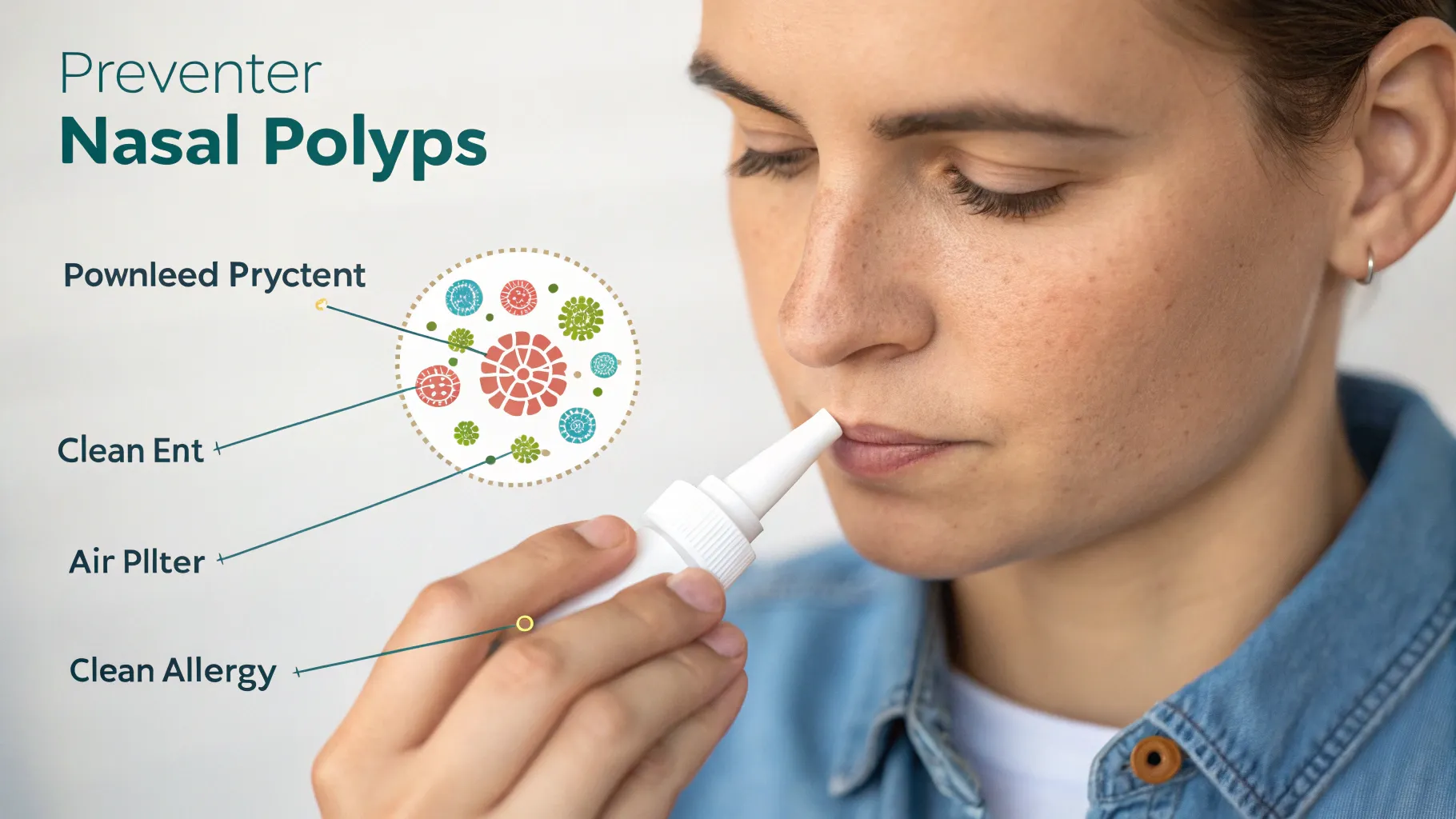
Post-Surgical Strategies for Sustained Relief
Immediately following surgical removal, active post-operative care is paramount for nasal polyps recurrence prevention. This phase often involves diligent adherence to a prescribed regimen designed to minimize inflammation and promote healing. Regular saline rinses are a cornerstone, flushing out crusts and irritants while keeping the nasal passages moist. Furthermore, topical corticosteroids, delivered via nasal sprays or rinses, are frequently prescribed to reduce localized inflammation. Consistent use of these medications is critical to create an environment less conducive to polyp regrowth. Many patients overlook the importance of these initial weeks and months, which are vital in establishing a foundation for long term nasal polyps control and significantly lowering the chances of polyps returning.
Medical Management: Key to Chronic Nasal Polyps Control
Beyond surgery, ongoing medical therapy forms the backbone of chronic nasal polyps management. For many individuals, nasal polyps are linked to underlying inflammatory conditions such as chronic rhinosinusitis with nasal polyps (CRSwNP), asthma, or aspirin-exacerbated respiratory disease (AERD). Therefore, treating these systemic conditions is integral to prevent nasal polyps from coming back. Long-term use of intranasal corticosteroids (INCS) is often the first-line medical treatment, directly targeting the inflammatory pathways within the nasal mucosa. For more severe or persistent cases, oral corticosteroids may be used for short bursts to bring acute inflammation under control, followed by meticulous planning for nasal polyps recurrence prevention. Newer biological therapies, such as dupilumab, have emerged as highly effective options for patients with severe CRSwNP, offering a targeted approach to reduce inflammation and shrink polyps, thereby drastically improving the prospects for long term nasal polyps control without repeated surgeries.
Addressing Underlying Inflammatory Triggers
Identifying and managing underlying inflammatory triggers is a critical step in how to stop nasal polyps from returning. Allergic rhinitis, for example, can perpetuate a cycle of inflammation that favors polyp growth. Allergy testing and subsequent management, which might include antihistamines, immunotherapy (allergy shots or sublingual tablets), or avoidance of specific allergens, can significantly contribute to nasal inflammation prevention. Similarly, gastroesophageal reflux disease (GERD) has been implicated in exacerbating sinus inflammation, and treating GERD can have a positive impact on nasal health. Understanding the multifactorial nature of nasal polyps allows for a more holistic and effective approach to prevent nasal polyps from coming back, moving beyond mere symptom management to addressing the root causes of the condition.
Lifestyle and Environmental Factors for Prevention
Beyond medical interventions, lifestyle modifications and environmental control play a significant role in nasal polyps recurrence prevention. Maintaining a healthy diet rich in anti-inflammatory foods, such as fruits, vegetables, and omega-3 fatty acids, can support overall immune health and reduce systemic inflammation. Conversely, avoiding processed foods and common dietary allergens might help some individuals. Quitting smoking and avoiding exposure to secondhand smoke and other environmental irritants (like strong chemical fumes or air pollution) are crucial steps for nasal inflammation prevention, as these can directly irritate the nasal lining and promote polyp formation. Furthermore, ensuring good indoor air quality through the use of air purifiers and regular cleaning can minimize exposure to dust mites, mold spores, and pet dander, all of which can trigger allergic responses and inflammation, thereby undermining efforts to prevent nasal polyps from coming back. Consistent and diligent attention to these factors is a cornerstone of effective long term nasal polyps control.
The Role of Hydration and Humidity
Adequate hydration is often overlooked but is essential for maintaining healthy mucous membranes, which are the primary defense against irritants and pathogens. Drinking sufficient water helps keep the nasal passages moist and the mucus thin, facilitating its movement and preventing stagnation, which can contribute to inflammation. In dry environments, using a humidifier, particularly in the bedroom, can help maintain optimal nasal humidity, further supporting nasal inflammation prevention and reducing irritation. A well-hydrated and properly humidified nasal environment is less susceptible to the chronic irritation that often precedes the formation and recurrence of polyps, thereby strengthening the body's natural defenses against the need for further nasal polyps recurrence prevention efforts.
Regular Monitoring and Follow-up for Long-Term Control
One of the most critical aspects of how to stop nasal polyps from returning is consistent follow-up with an ENT specialist. Regular endoscopic examinations allow your doctor to monitor the nasal passages for any early signs of polyp regrowth or persistent inflammation. Early detection enables timely intervention, often preventing the polyps from growing to a size that requires surgical removal again. These appointments also provide an opportunity to adjust medication regimens, discuss new treatment options, and reinforce adherence to preventative measures. This proactive approach to monitoring is indispensable for successful long term nasal polyps control, ensuring that any nascent issues are addressed before they become significant problems. Effective communication with your healthcare provider about symptoms, medication side effects, and adherence to treatment plans is fundamental for tailoring the most effective strategy to prevent nasal polyps from coming back.
Frequently Asked Questions
Can dietary changes help in nasal polyps recurrence prevention?
While diet alone cannot cure nasal polyps, an anti-inflammatory diet rich in fruits, vegetables, and omega-3 fatty acids can support overall health and reduce systemic inflammation, potentially aiding in nasal polyps recurrence prevention. Avoiding known allergens or inflammatory foods might also be beneficial for some individuals.
Is surgery the only way to prevent nasal polyps from coming back?
Surgery removes existing polyps, but it's often part of a broader strategy. Long-term medical management, including corticosteroids and sometimes biologics, along with lifestyle changes and addressing underlying conditions, is crucial for nasal polyps recurrence prevention and long term nasal polyps control.
How important is managing allergies for chronic nasal polyps management?
Extremely important. Allergies can cause chronic nasal inflammation, which is a major contributing factor to polyp formation and recurrence. Effective allergy management, including avoiding triggers and potentially immunotherapy, is a key component of comprehensive chronic nasal polyps management and nasal inflammation prevention.
References
- Guideline for the Management of Chronic Rhinosinusitis with Nasal Polyps.
- The role of corticosteroids in the treatment of chronic rhinosinusitis.
- Biological therapies for chronic rhinosinusitis with nasal polyps: an update.
- Environmental factors and nasal polyps: a systematic review.
- Patient adherence to medical therapy for chronic rhinosinusitis.