
Insomnia vs. Sleep Apnea: Understanding the Key Differences
Getting a good night's sleep is crucial for overall health, but for millions of people, it's a nightly struggle. Two of the most common culprits behind poor sleep are insomnia and sleep apnea. Although they can share some symptoms, like daytime sleepiness, they are fundamentally different disorders that require distinct approaches to diagnosis and management. Confusing one for the other can delay proper treatment and prolong the negative effects of sleep deprivation.
What Is Insomnia?
Insomnia is a sleep disorder primarily characterized by difficulty falling asleep, staying asleep, or both, despite having the opportunity to do so. This results in inadequate or poor-quality sleep, which can lead to fatigue, mood disturbances, and difficulty concentrating during the day. Insomnia can be short-term (acute), lasting for a few days or weeks, often triggered by stress or a traumatic event. It can also be long-term (chronic), occurring at least three nights a week for three months or more.
The causes of insomnia are varied and can be linked to psychological and physical factors. Common triggers include stress, anxiety, depression, and poor sleep habits, such as an irregular sleep schedule or an uncomfortable sleep environment. Certain medical conditions, like chronic pain or hyperthyroidism, as well as some medications, can also contribute to the development of insomnia. For many, it becomes a cycle where worry about not sleeping itself prevents sleep.
What Is Sleep Apnea?
Sleep apnea is a potentially serious sleep disorder in which a person's breathing repeatedly stops and starts during sleep. These pauses, known as apneas, can last from a few seconds to minutes and may occur 30 times or more an hour. This disruption prevents the brain and body from getting enough oxygen, leading to fragmented sleep and significant daytime sleepiness.
There are two main types of sleep apnea. The most common is Obstructive Sleep Apnea (OSA), which occurs when the throat muscles relax and block the airway during sleep. The second type is Central Sleep Apnea (CSA), which happens when the brain doesn't send the proper signals to the muscles that control breathing. The most noticeable sign of sleep apnea is often loud snoring, frequently accompanied by gasping or choking sounds as breathing resumes. However, not everyone who snores has sleep apnea.
Contrasting the Primary Symptoms
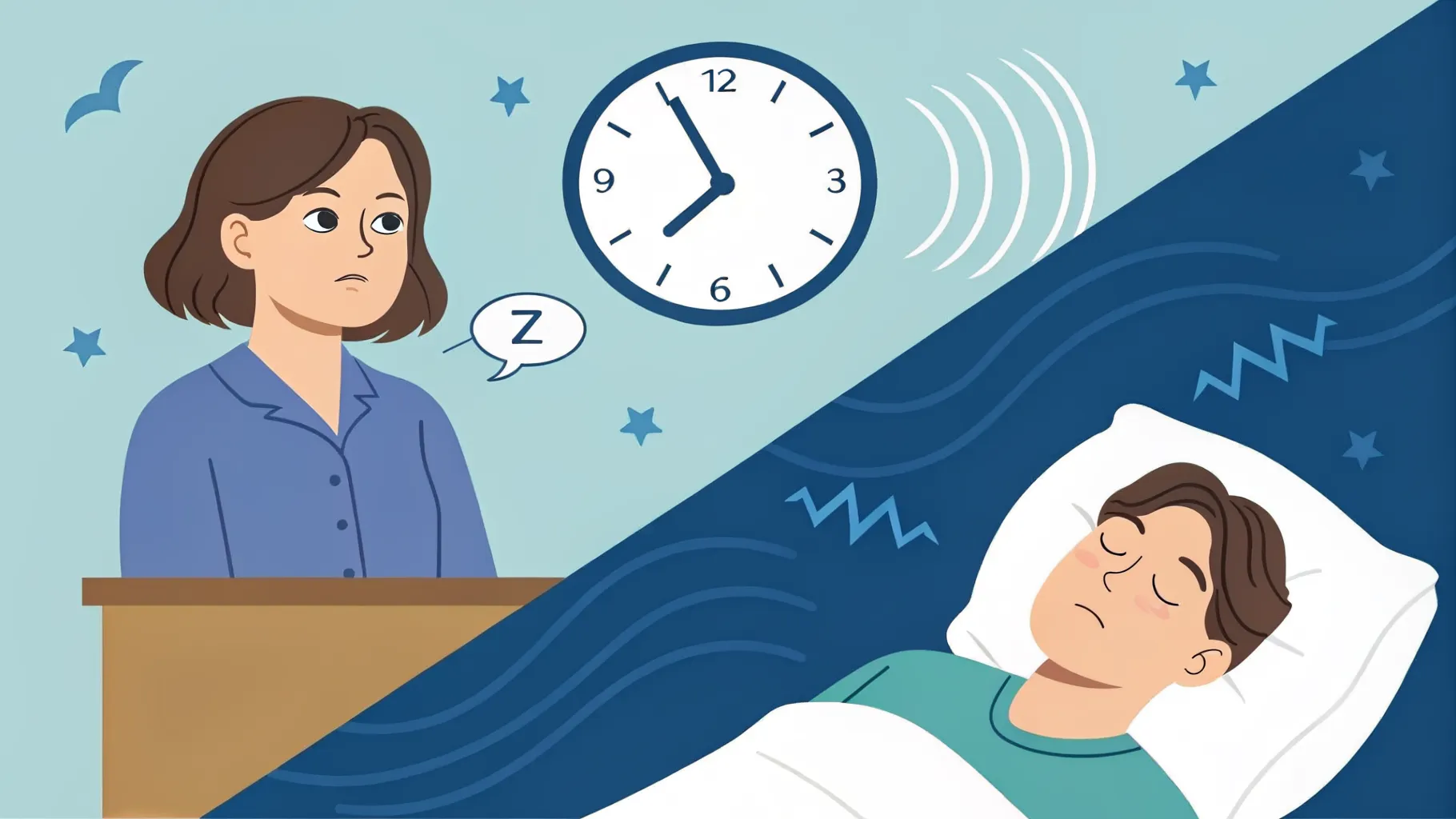
While both conditions lead to feeling tired, their core symptoms are quite different. The experience of trying to sleep with insomnia is very different from that of someone with untreated sleep apnea. Understanding these distinctions is key to identifying the potential problem.
- Insomnia: The primary issue is the inability to initiate or maintain sleep. Symptoms include lying awake for long periods before falling asleep, waking up frequently during the night, waking up too early and being unable to return to sleep, and feeling unrefreshed upon waking. The individual is often acutely aware of their sleeplessness as it's happening.
- Sleep Apnea: The main issue is interrupted breathing. Symptoms often reported by a bed partner include loud, persistent snoring, witnessed pauses in breathing, and sudden gasping or choking noises. The individual may experience morning headaches, dry mouth upon waking, and profound daytime sleepiness, sometimes falling asleep at inappropriate times.
How Diagnosis Differs
The diagnostic processes for insomnia and sleep apnea are distinct, reflecting the different nature of the disorders. A healthcare provider will typically start with a detailed medical history, but the subsequent steps vary significantly. For insomnia, diagnosis often relies heavily on the patient's self-reported experiences.
To diagnose insomnia, a doctor may ask you to keep a sleep diary to track your sleep patterns. They will inquire about your sleep habits, daily routines, and psychological state. In most cases, a physical exam is performed to rule out other medical problems that could be causing sleep issues. A formal sleep study is not usually necessary unless another sleep disorder, like sleep apnea, is also suspected. For sleep apnea, the gold standard for diagnosis is a sleep study, or polysomnography. This test can be conducted overnight in a sleep lab or with a home sleep apnea test. It records your brain waves, blood oxygen level, heart rate, breathing, and eye and leg movements during sleep to identify apneas.
Overlap and Coexistence
To make matters more complex, insomnia and sleep apnea can coexist. In some cases, one condition can even trigger or worsen the other. For instance, the frequent awakenings caused by sleep apnea can lead to a form of insomnia where the person struggles to fall back asleep after a breathing event. This is sometimes referred to as 'sleep-onset insomnia' or 'sleep-maintenance insomnia'.
Conversely, the anxiety and frustration associated with chronic insomnia can affect a person's physical state. While less common, the stress of insomnia can impact physiological functions, though it doesn't directly cause the airway blockages seen in OSA. Because symptoms like daytime fatigue, irritability, and poor concentration are common to both, it's possible for one condition to be misdiagnosed as the other if a thorough evaluation is not performed.
Different Paths to Treatment
Since the root causes are different, treatment for insomnia and sleep apnea follows separate paths. Addressing one with the treatment meant for the other will be ineffective. For insomnia, the leading treatment is Cognitive Behavioral Therapy for Insomnia (CBT-I), which helps you change the thoughts and behaviors that interfere with sleep. Good sleep hygiene practices, such as maintaining a consistent sleep schedule and creating a relaxing bedtime routine, are also fundamental.
The most common and effective treatment for moderate to severe sleep apnea is a Continuous Positive Airway Pressure (CPAP) machine. This device delivers a steady stream of air through a mask to keep your airway open while you sleep. Other options include oral appliances that reposition the jaw, lifestyle changes like weight loss and avoiding alcohol before bed, and in some cases, surgical procedures to remove excess tissue from the throat.