Insomnia vs. Sleep Apnea: Understanding the Key Differences
Struggling to get a good night's sleep can be frustrating and have a significant impact on your daily life. Two of the most common culprits behind poor sleep are insomnia and sleep apnea. Although they share some overlapping symptoms, like daytime sleepiness, they are fundamentally different disorders that require distinct approaches for diagnosis and management. This guide will break down the differences between them to help you better understand these conditions.
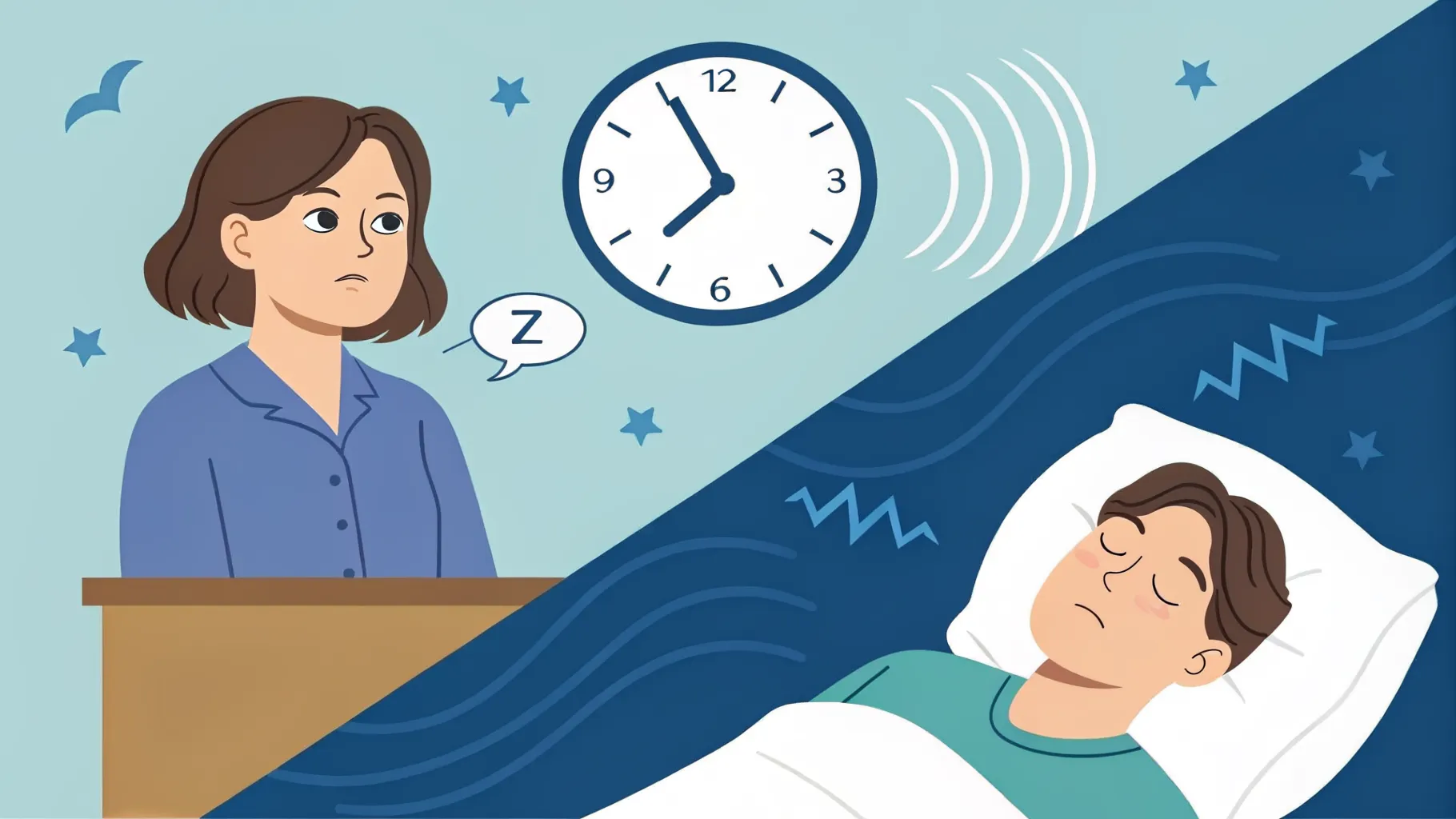
What Is Insomnia?
Insomnia is a sleep disorder primarily characterized by difficulty falling asleep, staying asleep, or both, despite having the opportunity to do so. People with insomnia often wake up feeling unrefreshed, which can lead to fatigue, irritability, and difficulty concentrating during the day. This condition can be short-term (acute), lasting for days or weeks, often triggered by stress or a traumatic event. It can also be long-term (chronic), occurring at least three nights a week for three months or more.
The core issue in insomnia is a problem with the sleep-wake cycle itself, often involving hyperarousal of the mind and body. This means that even when a person is tired, their brain remains too active to allow for restful sleep. This can manifest as racing thoughts, worrying about not being able to sleep, or general anxiety, creating a cycle that makes falling asleep even more difficult.
What Is Sleep Apnea?
Sleep apnea is a potentially serious medical condition where breathing repeatedly stops and starts during sleep. These pauses in breathing are called apneas. The most common form is Obstructive Sleep Apnea (OSA), which occurs when the throat muscles relax and block the airway. A less common form is Central Sleep Apnea (CSA), which happens when the brain fails to send the proper signals to the muscles that control breathing.
When breathing stops, the brain rouses the person from sleep just enough to reopen the airway, often with a loud snort or choking sound. These awakenings are typically so brief that the individual has no memory of them the next morning. However, this fragmented sleep pattern prevents them from reaching the deeper, more restorative stages of sleep, leading to significant daytime sleepiness and other health concerns.
Comparing the Core Symptoms
While both conditions lead to feeling tired, their primary symptoms are quite different. Differentiating between them often comes down to observing what happens during the night and how you feel about the process of sleeping.
- Insomnia: The main complaint is the inability to initiate or maintain sleep. Individuals are often acutely aware of being awake, feeling frustrated or anxious in bed. They may spend hours tossing and turning with a racing mind.
- Sleep Apnea: The main issue is a breathing problem, not an inability to fall asleep. People with sleep apnea usually fall asleep easily but are then woken up by their own body as a survival mechanism. Key signs include loud snoring, gasping or choking sounds during sleep, and waking up with a dry mouth or headache. The person experiencing it is often unaware of these nightly events.
Underlying Causes and Risk Factors
The triggers and risk factors for insomnia and sleep apnea generally fall into different categories. Insomnia is more frequently linked to psychological, environmental, or behavioral factors, while sleep apnea is more often associated with physical and anatomical traits.
Common causes of insomnia include stress, anxiety, depression, poor sleep habits (like an irregular schedule or an uncomfortable sleep environment), and certain medications. Risk factors for sleep apnea, particularly OSA, include excess weight, a large neck circumference, a narrowed airway, being male, and advancing age. Family history can also play a role in both conditions.
The Diagnostic Process
Getting a correct diagnosis is crucial because the treatments for insomnia and sleep apnea are very different. The diagnostic path for each condition reflects their underlying nature. For insomnia, a doctor will typically start by taking a detailed medical and sleep history. You may be asked to keep a sleep diary to track your patterns. In most cases, a physical exam and a review of your symptoms are enough for a diagnosis.
Diagnosing sleep apnea is more complex and almost always requires a sleep study, known as polysomnography. This can be done overnight in a specialized sleep center or sometimes at home with a portable monitor. The study records your brain waves, blood oxygen levels, heart rate, breathing, and body movements during sleep to detect the frequency and severity of breathing pauses.
Approaches to Treatment and Management
Because the root causes differ, so do the solutions. Treating insomnia often focuses on changing behaviors and thought patterns related to sleep. The leading treatment is Cognitive Behavioral Therapy for Insomnia (CBT-I), which helps people address the anxieties and habits that prevent them from sleeping. Improving sleep hygiene, such as maintaining a consistent sleep schedule and creating a relaxing bedtime routine, is also fundamental.
Treatment for sleep apnea aims to keep the airway open during sleep. The most common and effective therapy for moderate to severe OSA is a Continuous Positive Airway Pressure (CPAP) machine, which delivers a constant stream of air through a mask. Other options include oral appliances that reposition the jaw, lifestyle changes like weight loss, and in some cases, surgery to remove excess tissue from the airway.