
Kidney Stones: A Guide to Early Symptoms and Prevention Strategies
Facts:
- Kidney stones affect approximately 1 in 10 people in their lifetime.
- Increased water intake is the number one trend for kidney stone prevention.
Decoding the Discomfort: Recognizing Early Symptoms of Kidney Stones
Kidney stones are hard deposits made of minerals and salts that form inside your kidneys. They can cause excruciating pain as they travel through your urinary tract. Understanding the early symptoms of kidney stones is crucial for seeking timely medical attention and preventing complications. While some stones are small enough to pass unnoticed, others can become lodged, leading to severe pain and potential blockages. This guide provides an in-depth look at Kidney Stones: Early Symptoms and Prevention, equipping you with the knowledge to protect your health and manage this common condition effectively. Ignoring these early signs can lead to more serious issues, making awareness a key component of your overall wellness strategy.
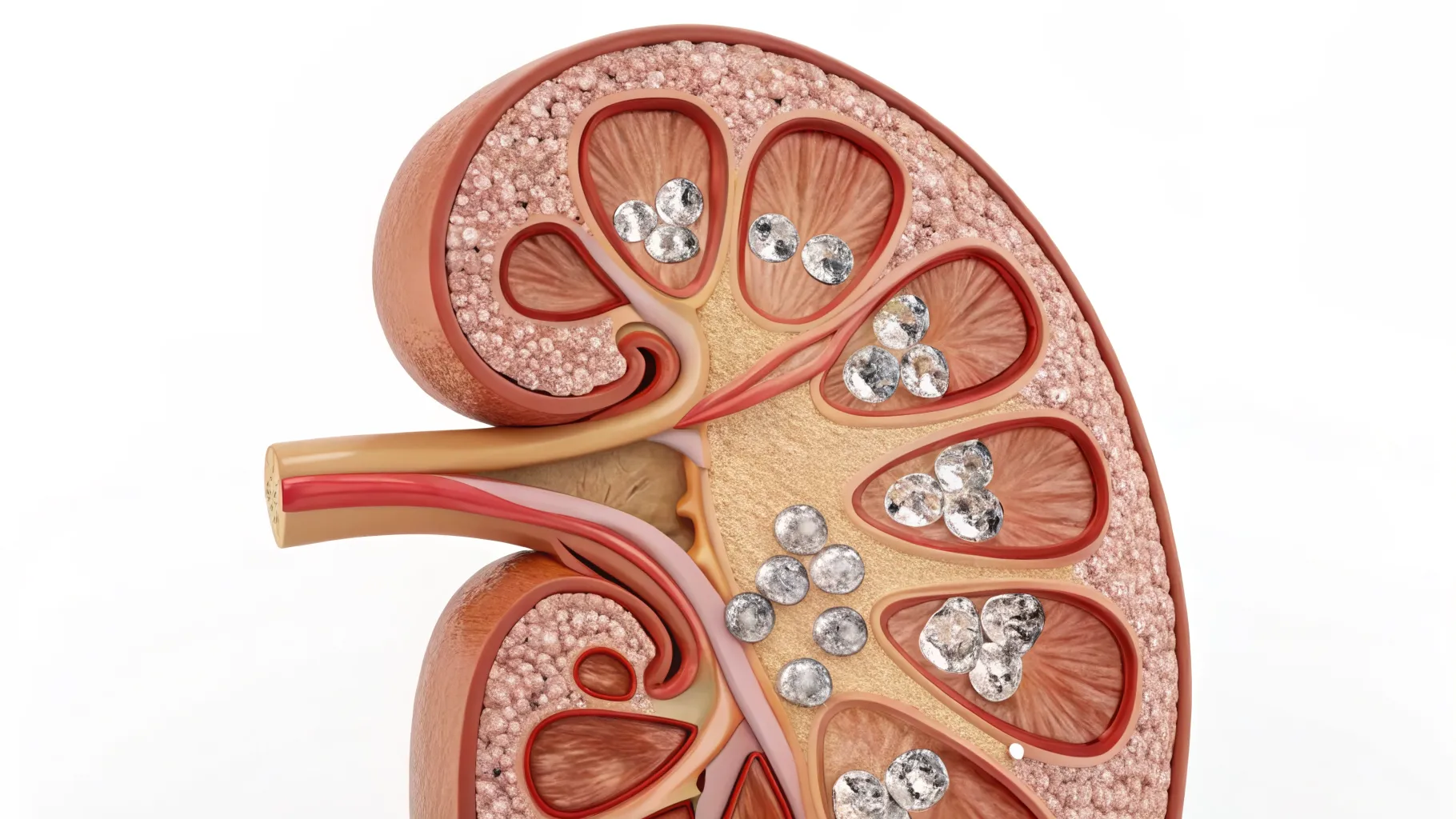
The Telltale Signs: Common Early Symptoms of Kidney Stones
The initial signs of kidney stones can be subtle but often escalate quickly. Recognizing these indicators is the first step toward diagnosis and treatment. The most common of the early symptoms of kidney stones is a sharp, cramping pain, but other signs can appear as well. Pay close attention to your body if you experience any of the following:
- Severe Pain in the Back, Side, or Groin: Known as renal colic, this is often the most intense symptom. The pain can come in waves, fluctuating in intensity as the stone moves through the ureter. It typically starts in the side or back, just below the ribs, and may radiate to the lower abdomen and groin.
- Pain or Burning Sensation During Urination: This symptom, also called dysuria, occurs when the stone reaches the junction between the ureter and the bladder. It can often be mistaken for a urinary tract infection (UTI).
- Frequent Urge to Urinate: You might feel the need to urinate more often than usual, even if you only pass small amounts of urine. This is another sign that the stone is irritating the bladder.
- Pink, Red, or Brown Urine (Hematuria): The presence of blood in the urine is a common sign of kidney stones. The bleeding can be microscopic (invisible to the naked eye) or visible, changing the color of your urine.
- Cloudy or Foul-Smelling Urine: Healthy urine is clear and has a mild odor. If your urine becomes cloudy or has a strong, unpleasant smell, it could indicate an infection related to the kidney stones.
- Nausea and Vomiting: The intense pain associated with kidney stones can often trigger nausea and vomiting. This is due to shared nerve connections between the kidneys and the gastrointestinal tract.
What Causes Kidney Stones to Form?
Understanding the root causes of kidney stones is fundamental to any effective kidney stone prevention plan. These hard deposits form when your urine contains more crystal-forming substances—such as calcium, oxalate, and uric acid—than the fluid in your urine can dilute. At the same time, your urine may lack substances that prevent crystals from sticking together. The primary contributing factors include chronic dehydration, which concentrates urine, and dietary habits. A diet high in protein, sodium, and sugar can increase the risk of certain types of stones. Medical conditions such as hyperparathyroidism, renal tubular acidosis, and certain genetic factors can also predispose individuals to forming kidney stones.
Proactive Measures: Effective Kidney Stone Prevention Strategies
The best approach to dealing with kidney stones is prevention. Adopting certain lifestyle and dietary changes can significantly reduce your risk of developing them. The cornerstone of kidney stone prevention is hydration, but several other strategies are also highly effective.
- Stay Hydrated: Drinking plenty of water is the most important preventive measure. Aim to drink enough fluid—primarily water—to pass about 2 liters of urine a day. This dilutes the concentration of waste products and helps flush out small crystals before they can form larger stones.
- Adopt a Balanced Diet: Pay attention to your intake of sodium, animal protein, and oxalate-rich foods like spinach, nuts, and rhubarb. Reducing sodium intake is particularly important as it can decrease the amount of calcium in your urine. Consulting with a dietitian can help you create a personalized eating plan for kidney stone prevention.
- Incorporate Citrate: Citrate is a natural inhibitor of calcium oxalate kidney stones. Foods rich in natural citrate, such as lemons and limes, can be beneficial. Adding lemon juice to your water is an easy way to increase your citrate intake.
- Maintain a Healthy Weight: Obesity has been linked to an increased risk of kidney stones. Achieving and maintaining a healthy weight through a balanced diet and regular exercise can contribute to your overall kidney health.
Diagnosing and Treating Kidney Stones
If you suspect you have kidney stones based on your symptoms, it is vital to see a healthcare provider. A diagnosis is typically made through a combination of a physical exam, urine tests, blood tests, and imaging studies. A high-resolution CT scan is often the most accurate way to detect stones. Treatment depends on the size and type of the stone. Small stones may be passed at home with the help of pain medication and plenty of fluids. Larger stones that cause severe pain or block the urinary tract may require more invasive treatments, such as extracorporeal shock wave lithotripsy (ESWL), which uses sound waves to break stones into smaller pieces, or ureteroscopy, where a small scope is used to remove or break up the stone.
Frequently Asked Questions
Can I prevent kidney stones completely?
While complete prevention isn't always possible, especially with a genetic predisposition, you can significantly lower your risk by following key kidney stone prevention strategies like staying well-hydrated, managing your diet, and maintaining a healthy weight. Consistency is crucial.
What is the very first sign of kidney stones?
Often, the very first of the early symptoms of kidney stones is a sharp, cramping pain in the back and side, just below the ribs. This pain, known as renal colic, can be severe and may come in waves as the stone moves.
Does drinking lemon water help with kidney stone prevention?
Yes, drinking lemon water can be a helpful part of a kidney stone prevention plan. The citrate in lemons is a natural inhibitor of calcium oxalate stones and can help prevent crystals from forming and growing.
References
- National Institute of Diabetes and Digestive and Kidney Diseases (NIDDK)
- American Urological Association Guidelines on the Management of Staghorn Calculi
- The Journal of Urology - Kidney Stones: Pathophysiology and Medical Management
- Mayo Clinic - Patient Care & Health Information