
Dance Classes for Newcomers: A Practical Review of Formats, Expectations, and Access
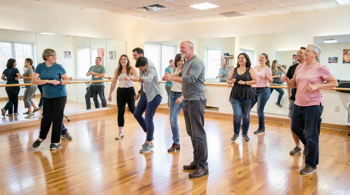
Dance Classes for Newcomers generally emphasize accessible instruction, foundational movement, and a welcoming atmosphere rather than prior experience. Published beginner programs show that newcomers may choose ballroom, Latin, salsa, bachata, merengue, Brazilian zouk, lambada, ballet, jazz, hip-hop, tap, heels, or contemporary formats, with many courses stating that partners are not required. 1
How beginner classes are structured
Introductory courses commonly use progressive teaching rather than expecting students to learn a complete routine immediately. Wimbledon Dance Academy describes a learning path in which the first two weeks cover rhythm, timing, and simple steps, weeks three through five introduce basic ballroom and Latin routines, and weeks six through eight focus on becoming comfortable moving around the floor. 1
Course duration varies considerably. A four-class salsa, bachata, and merengue series in Berkeley uses weekly one-hour sessions, while Broadway Dance Center lists absolute beginner workshops lasting either four or six weeks, with each class running for 90 minutes. Cloud9Zouk describes seven-week introductory terms alongside shorter taster formats, demonstrating that newcomers may encounter both brief introductions and longer progressive courses. 2
Styles available to first-time participants
Partner and social dances form one major category. Published examples include ballroom and Latin, salsa, bachata, merengue, waltz, rumba, swing, Brazilian zouk, and lambada. These courses typically concentrate on rhythm, timing, basic patterns, connection, and floor movement. DC Dance Club characterizes waltz as smooth, rumba as rhythmic, and swing as energetic, while its beginner description states that no previous experience is required. 3
Solo and performance-oriented choices are also widely represented. Broadway Dance Center lists absolute beginner workshops in ballet, theater, jazz, heels, hip-hop, contemporary, tap, and Pilates. Movement Lifestyle separates intro or beginner sessions from classes intended for participants with some experience and lists hip-hop choreography, grooves and choreography, jazz funk, house, tap, heels technique, and related formats. 5
Partner requirements and classroom culture
Partner requirements are an important practical distinction for newcomers attending alone. Wimbledon Dance Academy, La Peña Cultural Center, and danceScape each state that a partner is not required. La Peña also uses the terms “leaders” and “followers” rather than gendered roles, presenting a class structure intended to make participation more inclusive and flexible. 2
Studios describe beginner environments in terms of patient instruction, social connection, and reduced intimidation. Wimbledon identifies structured, step-by-step teaching and included social practice. La Peña emphasizes personalized guidance and a supportive community, while danceScape frames its open house as an opportunity to meet instructors and try introductory movement in a relaxed setting. These descriptions indicate that classroom experience can matter as much as the dance style itself. 6
Costs, schedules, and enrollment formats
Published prices provide examples rather than a universal market rate. La Peña lists $94 for a four-class series, with additional Eventbrite fees, and does not offer single-class attendance for that series. Broadway Dance Center lists $140 for a four-week session and $210 for a six-week session. DC Dance Club lists a current course price of $150 alongside an original price of $175, illustrating why participants should verify the applicable amount and enrollment conditions directly with the provider. 2
Scheduling also differs by institution and location. Cloud9Zouk lists Tuesday introductory classes in Brisbane, while Broadway Dance Center lists Sunday, Wednesday, and Thursday workshops. Flying Dance Community publishes beginner events in several Ontario communities, including Georgetown, Stratford, Erin, and Arthur, with sessions combining instruction, questions, and social dancing. These examples show that newcomers may need to compare recurring weekly courses with one-time orientation events. 4
What to wear and how to prepare
Initial clothing requirements are usually less specialized than newcomers may expect. Broadway Dance Center advises wearing comfortable garments that stretch, permit freedom of movement, and allow participants to see their body lines. Its guidance also states that confidence and comfort are more important than a particular dancewear style. This makes ordinary movement-friendly clothing a reasonable starting point when a course does not specify footwear or attire. 5
Preparation should also account for the class format. Partner-dance students may rotate roles or partners, while solo choreography classes may involve memorizing combinations at a slower introductory pace. Movement Lifestyle identifies intro or beginner classes for people starting out, returning after time away, or preferring a slower pace. Tap shoes are specifically described as unnecessary for one listed beginner tap class, but requirements can vary by venue and should be checked before attendance. 7
Risks, limitations, and selection criteria
“Beginner” is not a fully standardized label. One provider may define it as absolute first exposure, while another may expect basic familiarity. Movement Lifestyle distinguishes intro or beginner from beginner-level classes, and DC Dance Club includes both brand-new dancers and people refreshing previous skills. Newcomers should therefore examine the stated level, class duration, age restrictions, attendance policy, and whether drop-ins are permitted instead of relying on the word beginner alone. 3
Enrollment policies can create practical friction. Broadway Dance Center states that workshops are not prorated after the first week, missed classes do not receive credits or refunds, and refunds processed under its policy are subject to a $25 administrative fee. La Peña requires enrollment in the full four-class series rather than individual attendance. These conditions make schedule reliability, cancellation rules, venue access, and total fees relevant considerations alongside teaching style and location. 2
Sources
- Wimbledon Dance Academy, Beginner Ballroom and Latin Dance Classes: https://wimbledondanceacademy.uk/beginner-ballroom-dance-classes-wimbledon
- La Peña Cultural Center, Salsa, Bachata and Merengue Beginner Fundamentals: https://lapena.org/event/salsa-bachata-merengue-class-beginner-1-fundamentals/
- DC Dance Club, Beginner Social Waltz, Rumba and Swing: https://dcdanceclub.com/dance-classes/beginner-social-waltz-rumba-and-swing/
- Cloud9Zouk, New to Dance: https://www.cloud9zouk.com.au/newtodance
- Broadway Dance Center, Absolute Beginner Workshops: https://broadwaydancecenter.com/event-child/absolute-beginner-workshop-september-13-october-22-2026
- danceScape, Beginner Dance and Wellness Open House: https://www.dancescape.com/openhouse
- Movement Lifestyle, Beginner Classes in Burbank: https://www.themovementlifestyle.com/beginner-classes
- Flying Dance Community, Discover Dance Passport: https://fdcommunity.com/dance-open-house-discover-dance-passport/
- DivaDance DMV, Adult Dance Classes: https://divadance.com/locations/dc-maryland-va/